Table of Contents
Introduction

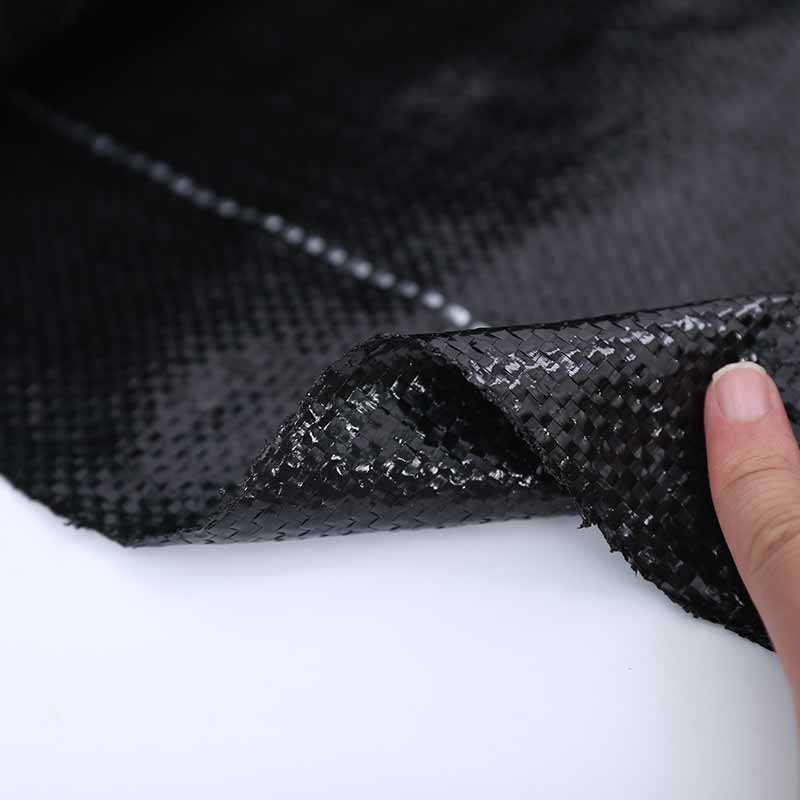
Ground weed control fabric is a versatile and essential solution for gardeners and landscapers who want to prevent unwanted weed growth while maintaining healthy soil. This fabric acts as a barrier, allowing water and nutrients to pass through while blocking sunlight from reaching weed seeds. As a manufacturer of high-quality ground weed control fabric, we understand the importance of offering products that are durable, UV-resistant, and suitable for various landscaping and gardening applications.
Using ground weed control fabric not only reduces labor-intensive weeding but also helps maintain soil moisture and prevent erosion. Whether you are working on a vegetable garden, flower bed, or large-scale landscaping project, selecting the right fabric can make a significant difference in the overall health and appearance of your garden.
Benefits of Using Ground Weed Control Fabric
Ground weed control fabric offers numerous advantages for both residential and commercial applications:
- Reduces Weed Growth Naturally: Acts as a physical barrier, minimizing the need for chemical herbicides.
- Maintains Soil Moisture: Conserves water by reducing evaporation, keeping plants hydrated.
- Prevents Soil Erosion: Keeps soil in place during heavy rains and wind.
- Enhances Garden Aesthetics: Provides a clean and tidy appearance for walkways, patios, and flower beds.
- Cost-Effective: Long-lasting fabric reduces maintenance costs and replacement frequency.
In addition, durable and UV-resistant fabrics can last for several years, making them a worthwhile investment for long-term gardening and landscaping projects.
Types of Ground Weed Control Fabric
Selecting the right type of fabric is crucial for different gardening needs. The most common types include:
- Standard Fabric: Suitable for home gardens and small landscaping areas.
- Heavy-Duty Fabric: Designed for high-traffic areas and commercial applications.
- UV-Resistant Fabric: Ideal for prolonged outdoor exposure to sunlight.
- Biodegradable Fabric: Eco-friendly option that gradually decomposes over time.
Here is a comparison table to help you understand the differences:
| Fabric Type | Thickness | Durability | Recommended Use | UV Resistance |
|---|---|---|---|---|
| Standard | 2–4 oz/sq yd | Moderate | Home gardens, flower beds | Medium |
| Heavy-Duty | 5–8 oz/sq yd | High | Driveways, patios, commercial | High |
| UV-Resistant | 3–6 oz/sq yd | High | Outdoor landscaping | Very High |
| Biodegradable | 2–3 oz/sq yd | Limited | Temporary garden projects | Low |
How to Choose the Right Ground Weed Control Fabric
When selecting ground weed control fabric, consider the following factors:
- Thickness and Durability: Heavy-duty fabrics are more resistant to tearing and wear.
- UV Resistance: Essential for areas with prolonged sun exposure.
- Purpose: Choose different fabrics for vegetable gardens, flower beds, or commercial landscaping.
- Climate and Soil Type: Certain fabrics perform better in sandy, clay, or wet soils.
By assessing these factors, you can ensure your garden receives maximum protection and longevity from the fabric.
Step-by-Step Installation Guide

Installing ground weed control fabric correctly is key to its effectiveness. Follow these steps:
- Prepare the Soil: Remove existing weeds and level the ground.
- Cut the Fabric: Measure the area and cut the fabric to fit.
- Lay the Fabric: Place the fabric over the prepared soil, ensuring minimal gaps.
- Secure with Pins or Staples: Anchor the fabric to prevent shifting.
- Overlap Edges: Ensure overlapping of 3–6 inches to prevent weed growth between sheets.
- Add Mulch (Optional): Cover fabric with mulch for improved aesthetics and additional protection.
Common mistakes to avoid:
- Leaving gaps between sheets.
- Failing to secure edges properly.
- Using fabric not suitable for the garden’s sun exposure or traffic conditions.
Maintenance and Longevity of Ground Weed Control Fabric
Even the best fabrics require basic maintenance to perform optimally:
- Inspect Regularly: Check for tears, gaps, or displaced sections.
- Clean Debris: Remove leaves and plant matter that can block sunlight or retain moisture.
- Replace When Needed: Heavy-duty and UV-resistant fabrics can last up to 5–10 years, but biodegradable options need replacement every 1–2 seasons.
Signs your fabric needs replacement:
- Excessive weed growth through the fabric
- Visible tears or fraying
- Fabric degradation due to prolonged UV exposure
Ground Weed Control Fabric vs Other Weed Control Methods
Ground weed control fabric is often compared to other methods like plastic mulch, chemical herbicides, and manual weeding.
Advantages over alternatives:
- More environmentally friendly than chemical herbicides
- Long-lasting and reusable compared to plastic mulch
- Reduces labor compared to hand weeding
For gardeners seeking a balance between efficiency, sustainability, and long-term cost-effectiveness, weed control fabric is often the preferred choice.
Applications of Ground Weed Control Fabric
Ground weed control fabric is highly versatile:
- Landscaping: Patios, walkways, and driveways
- Gardening: Vegetable patches, flower beds, and herb gardens
- Commercial Use: Golf courses, parks, and public gardens
Innovative applications: Some landscapers use fabric under gravel paths, around trees, or beneath pavers to combine weed control with aesthetic landscaping.
Choosing the Right Supplier and Quality Considerations

As a manufacturer, we emphasize quality, durability, and performance. When selecting ground weed control fabric:
- Buy Direct from Manufacturer: Ensures consistent quality and access to technical support.
- Check Material Specifications: Thickness, weight, and UV resistance are critical.
- Consider Bulk Orders: Ideal for landscapers and commercial projects, providing cost savings.
High-quality fabric not only protects your garden but also reduces replacement frequency, offering long-term savings.
Conclusion
Ground weed control fabric is an essential tool for gardeners and landscapers seeking efficient, sustainable, and long-lasting weed management. By selecting the right type, installing it correctly, and maintaining it properly, you can enhance soil health, reduce labor, and improve the aesthetics of your outdoor spaces.
As a trusted manufacturer, we provide durable, UV-resistant, and eco-friendly ground weed control fabric designed for a wide range of applications. Explore our range of products to ensure your garden or landscaping project achieves professional results with minimal maintenance.
FAQ
Q1: What is ground weed control fabric used for?
A1: Ground weed control fabric is used to prevent weeds from growing while allowing water and nutrients to reach the soil, making it ideal for gardens, flower beds, and landscaping projects.
Q2: How long does ground weed control fabric last?
A2: The lifespan depends on the type; heavy-duty and UV-resistant fabrics can last 5–10 years, while biodegradable options may need replacement every 1–2 seasons.
Q3: Can I install ground weed control fabric myself?
A3: Yes, with proper preparation and tools, you can cut, lay, and secure the fabric. Using stakes or pins and overlapping edges ensures effective weed prevention.
Q4: Is weed control fabric better than using plastic mulch?
A4: Ground weed control fabric is more durable, eco-friendly, and allows soil to breathe, unlike plastic mulch, which can retain heat and degrade over time.
Q5: How do I choose the right weed control fabric?
A5: Consider factors like thickness, UV resistance, purpose (vegetable garden, flower bed, or landscaping), and durability to ensure optimal performance for your specific project.