Table of Contents
Introduction
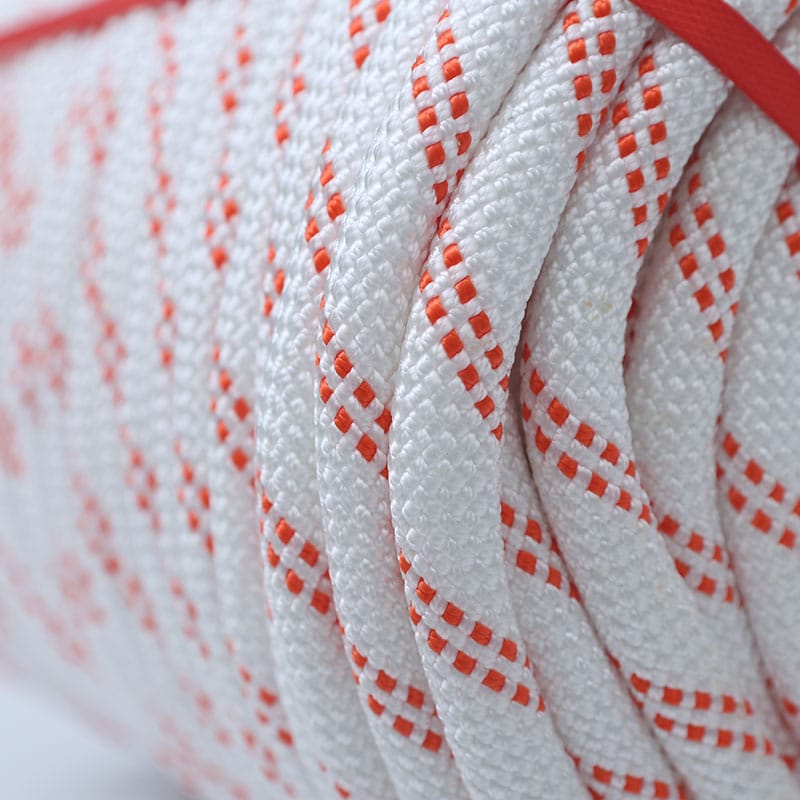
Selecting the right polypropylene rope supplier is crucial for businesses that rely on high-quality ropes for industrial, marine, or outdoor applications. As a manufacturer of premium polypropylene ropes, we understand the importance of providing durable, reliable, and customizable solutions. In this guide, we will help you navigate the key considerations when choosing a supplier, including product quality, supplier reliability, pricing, and technical specifications. By the end of this article, you will have a clear understanding of how to select a supplier that meets your business needs while ensuring optimal performance and value.
Why Polypropylene Rope is Popular Across Industries
Key Properties of Polypropylene Rope
Polypropylene rope is highly valued for its combination of strength, durability, and versatility. Its key properties include:
- Lightweight: Easier to handle and transport compared to other synthetic ropes.
- Chemical resistance: Withstands exposure to oils, acids, and common industrial chemicals.
- UV resistance: Suitable for outdoor use without rapid degradation.
- Moisture resistance: Does not absorb water, making it ideal for marine and wet environments.
Common Applications
Polypropylene rope is widely used across multiple industries:
- Marine: Dock lines, mooring ropes, and fishing nets.
- Construction and Industrial: Lifting, hoisting, and safety lines.
- Agriculture: Securing loads and fencing.
- Outdoor Activities: Camping, boating, and adventure sports.
Advantages Over Other Rope Types
Compared to nylon and natural fiber ropes, polypropylene rope offers superior resistance to chemicals and moisture, lightweight handling, and cost-effectiveness. Its versatility makes it a preferred choice for businesses seeking durable and affordable rope solutions.
Types of Polypropylene Rope Suppliers
Not all suppliers are the same. Understanding the different types can help you make an informed decision:
- Local vs. International Suppliers: Local suppliers offer faster delivery, while international suppliers may provide cost advantages for bulk orders.
- Wholesale vs. Custom Manufacturers: Wholesale suppliers cater to large orders, whereas custom manufacturers provide specialized solutions.
- Industrial vs. Retail-Focused Suppliers: Industrial suppliers focus on bulk and technical specifications, while retail suppliers often cater to smaller, general-purpose orders.
- Specialty Suppliers: These focus on specific requirements like UV resistance, marine-grade ropes, or colored polypropylene ropes.
How to Evaluate Polypropylene Rope Quality
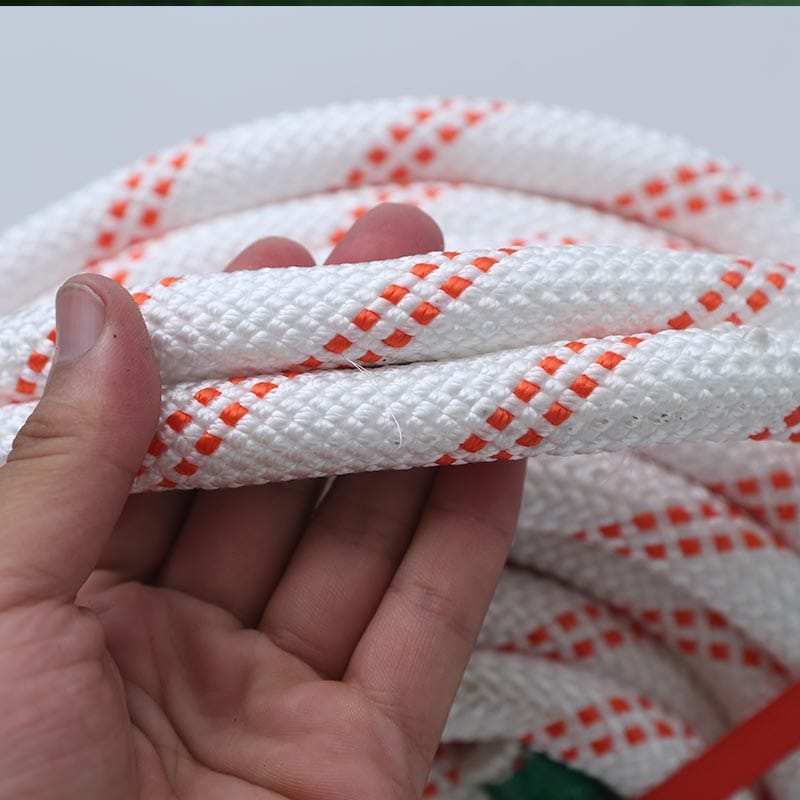
When choosing a supplier, assessing the quality of the rope is essential:
- Material grade and tensile strength: Ensure the rope can handle the intended load.
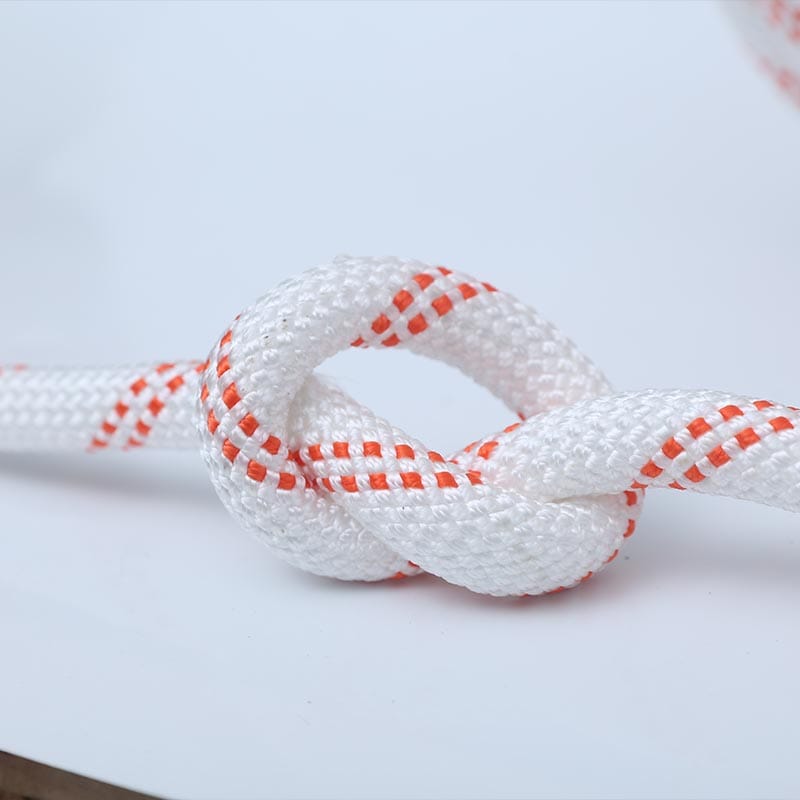
- Rope construction: Braided ropes offer better flexibility and knotting properties, while twisted ropes are traditional and more economical.
- Diameter and load capacity: Match the rope size with your application for safety and efficiency.
- Certifications and compliance: Look for ISO, CE, or other recognized industry standards.
| Feature | What to Check | Why It Matters |
|---|---|---|
| Material Grade | Virgin polypropylene or recycled | Impacts durability and strength |
| Tensile Strength | Load capacity in kg or lbs | Determines safety and application use |
| Rope Construction | Braided or twisted | Affects flexibility and durability |
| UV Resistance | UV-stabilized treatment | Longevity in outdoor use |
| Diameter & Weight | Correct size for application | Ensures efficiency and load handling |
Cost Factors and Pricing Considerations
Cost is an important factor, but it should not be the only consideration:
- Wholesale vs. Retail Pricing: Manufacturers often offer better rates for bulk purchases.
- Customization Cost: Custom lengths, colors, or coatings may affect the overall price.
- Shipping and Logistics: Factor in delivery speed, packaging, and freight costs.
- Long-Term Supplier Agreements: Establishing partnerships with reliable manufacturers can reduce costs and ensure a steady supply.
Choosing the Right Supplier for Your Business Needs
Selecting a supplier requires careful evaluation beyond price:
- Production Capacity: Ensure the supplier can handle your order volumes reliably.
- Past Client Feedback: Check reviews, testimonials, and case studies.
- Technical Support: A knowledgeable supplier can provide guidance on specifications, handling, and installation.
- Lead Time and Delivery Options: Confirm that delivery schedules align with your operational needs.
Advantages of Working Directly with a Manufacturer
Working directly with a polypropylene rope manufacturer offers significant benefits:
- Cost Savings: Eliminate middlemen and enjoy competitive pricing.
- Custom Specifications: Tailor rope diameters, colors, lengths, and coatings to your requirements.
- Quality Control: Manufacturers maintain consistent quality standards throughout production.
- Faster Turnaround: Bulk or specialized orders can be fulfilled quickly.
Common Mistakes When Selecting a Polypropylene Rope Supplier
Many buyers make avoidable errors that affect performance and cost:
- Prioritizing price over quality, which may lead to premature rope failure.
- Overlooking technical specifications such as tensile strength and UV stabilization.
- Ignoring supplier certifications and compliance with safety standards.
- Not considering after-sales support or reliable logistics for timely delivery.
Conclusion
Choosing the right polypropylene rope supplier is essential for ensuring safety, efficiency, and long-term cost savings. By considering material quality, rope construction, certifications, supplier reliability, and pricing factors, you can make informed decisions for your business. As a manufacturer, we offer high-quality, customizable polypropylene ropes suitable for marine, industrial, and outdoor applications. Contact us today to source ropes tailored to your exact specifications and ensure reliable performance in every application.
FAQ
Q1: What types of polypropylene ropes do suppliers offer?
A: Polypropylene rope suppliers typically offer braided, twisted, marine-grade, UV-resistant, and custom-colored ropes to meet different industrial and marine applications.
Q2: How can I find reliable polypropylene rope suppliers?
A: Look for manufacturers with proven quality, certifications (ISO, CE), positive client reviews, and the ability to handle bulk or custom orders.
Q3: Can polypropylene rope suppliers provide bulk or wholesale orders?
A: Yes, most suppliers specialize in bulk, wholesale, and custom orders, allowing businesses to get cost-effective solutions for industrial or commercial needs.
Q4: What should I check before choosing a polypropylene rope supplier?
A: Consider rope quality, tensile strength, diameter, UV resistance, supplier reliability, certifications, and delivery lead times.
Q5: Are custom polypropylene ropes available from suppliers?
A: Yes, many suppliers offer custom lengths, diameters, colors, and coatings to meet specific industrial, marine, or commercial requirements.