
Table of Contents
Ensuring the safety of workers at height is a critical concern across construction, industrial, and commercial sites. As a manufacturer of high-quality fall safety netting, we understand the importance of providing reliable safety solutions that protect lives while meeting strict regulatory standards. In this guide, we’ll cover everything you need to know about fall safety netting, including types, applications, installation, maintenance, and compliance requirements, giving you the knowledge to make informed safety decisions.
What is Fall Safety Netting and Why It Matters
Fall safety netting is a protective system designed to catch workers or objects that accidentally fall from elevated work areas, reducing the risk of injury or fatality. Unlike guardrails or personal fall arrest systems, safety nets provide a broader safety coverage, making them suitable for large-scale construction sites, industrial platforms, and areas where mobility is required.
Key benefits include:
- Enhanced Worker Safety: Prevents serious injuries from falls.
- Compliance Assurance: Helps meet OSHA and EN safety standards.
- Versatility: Suitable for scaffolding, bridges, rooftops, and industrial platforms.
High-quality fall safety netting not only protects your workforce but also reduces liability and insurance risks, making it a critical component of any professional safety program.
Types of Fall Safety Netting You Can Choose
Fall safety netting comes in various designs and materials to suit different needs. Choosing the right type ensures maximum protection and durability.
Common types include:
- Horizontal vs Vertical Nets: Horizontal nets are installed below work areas to catch falling workers, while vertical nets are mounted along building facades or scaffolds to prevent falls from edges.
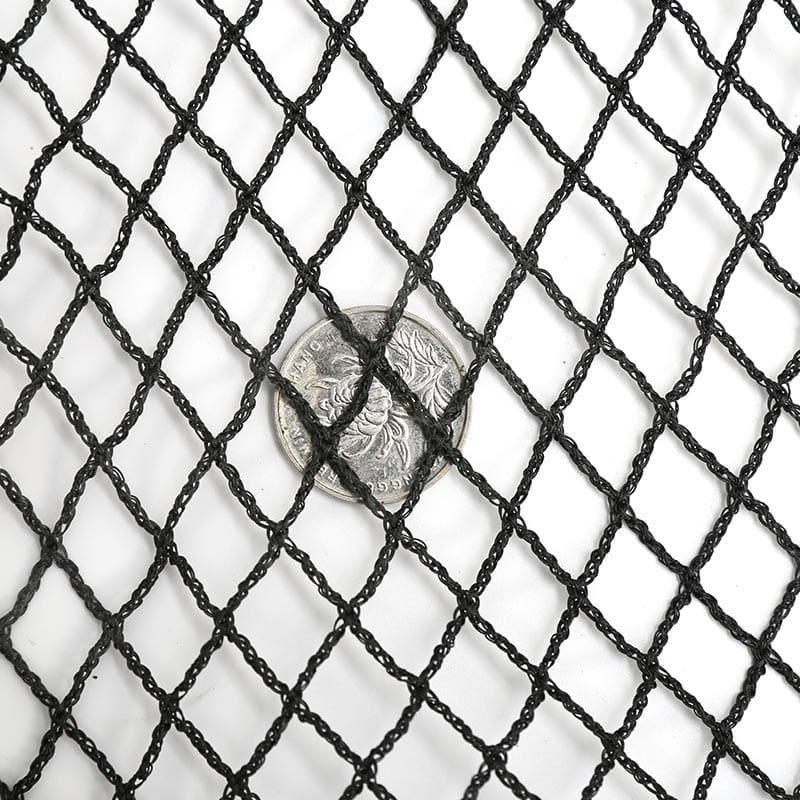
- Heavy-Duty Industrial Nets: Designed for high-load applications, these nets are made of durable nylon or polypropylene fibers capable of withstanding harsh environmental conditions.
- Custom Fall Safety Nets: Tailored to specific project dimensions, load capacities, or unique site requirements.
Materials used: High-strength polypropylene, nylon, and polyethylene are common, providing excellent durability, UV resistance, and flexibility.
Fall Safety Netting Standards and Compliance
Safety compliance is non-negotiable in construction and industrial environments. Fall safety nets must meet recognized standards to ensure reliability.
Key standards include:
- OSHA Guidelines: Fall protection regulations for construction and industrial workplaces.
- EN 1263-1: European standard specifying performance requirements for safety nets.
By choosing nets that comply with these standards, you ensure the highest level of protection and avoid potential legal or insurance issues.
Common compliance mistakes:
- Using nets with insufficient load capacity.
- Improper installation leading to unsafe slack or gaps.
- Failing to conduct regular inspections or maintenance.
How to Install Fall Safety Netting Effectively
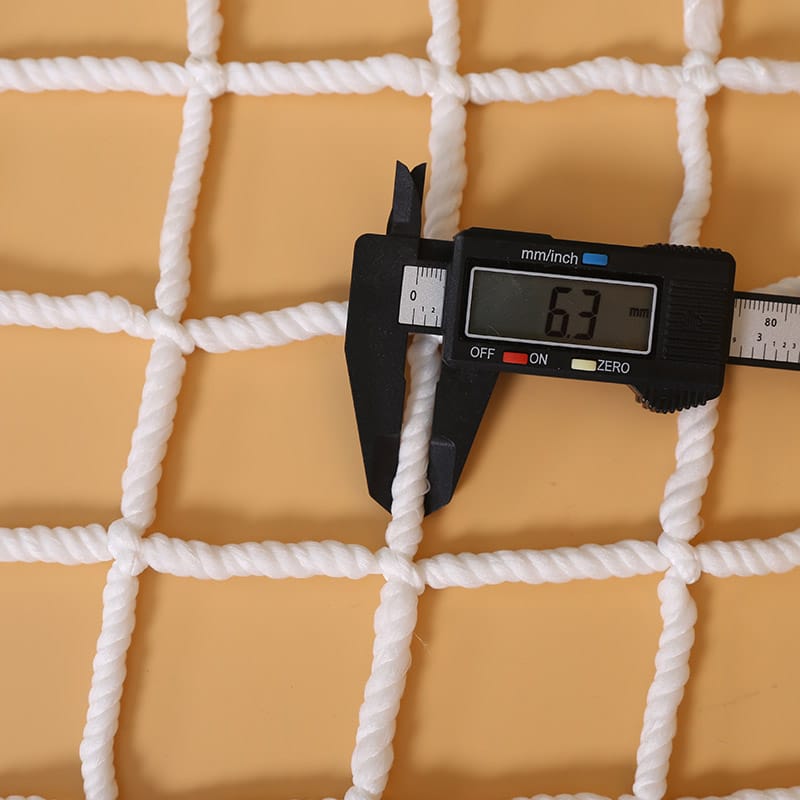
Proper installation is essential to maximize the protective function of safety nets.
Installation tips from manufacturers:
- Site Assessment: Identify potential fall zones and anchor points.
- Secure Anchoring: Use certified hardware and follow manufacturer specifications.
- Check Net Tension: Avoid over-tightening or excessive slack.
- Regular Inspections: Confirm that installation integrity is maintained during use.
Using the correct installation tools and following professional guidance ensures that your safety netting performs reliably and reduces accident risks.
Applications of Safety Netting Across Industries
Fall safety netting has wide-ranging applications, from construction to industrial operations.
Construction: Roofers, scaffold workers, and bridge builders rely on horizontal and vertical safety nets for fall protection.
Industrial: Warehouses, mezzanines, and maintenance platforms use safety nets to prevent falls during material handling or elevated work.
Event and Entertainment Venues: Rigging safety nets protect performers and staff in theaters, arenas, and concert stages.
Choosing the Right Fall Safety Netting for Your Project
Selecting the proper net requires careful consideration of multiple factors:
| Feature | Recommendation | Notes |
|---|---|---|
| Load Capacity | Match the maximum expected fall weight | Check manufacturer specifications |
| Net Size | Cover the entire fall zone | Custom sizing available |
| Material | Polypropylene or Nylon for industrial sites | Ensure UV and weather resistance |
| Type | Horizontal for drop zones, vertical for edges | Some sites may require both |
| Compliance | Must meet OSHA or EN standards | Verify certification documents |
Working directly with a manufacturer ensures access to quality assurance, customization options, and professional guidance.
Maintenance and Inspection of Fall Safety Netting
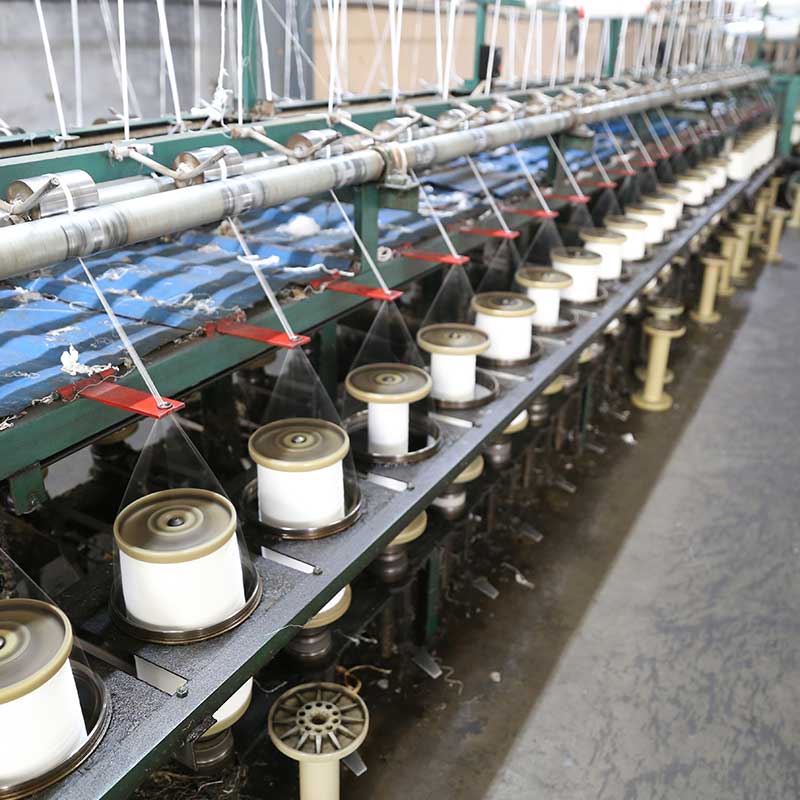
Regular inspection and maintenance are crucial for the long-term effectiveness of safety nets:
- Check for wear or damage: Frayed edges, broken fibers, or corrosion in hardware.
- Schedule periodic replacement: Follow manufacturer guidelines to maintain safety integrity.
- Cleaning and storage: Remove debris and store nets properly to prevent degradation.
Maintaining your safety nets not only prolongs their lifespan but also ensures compliance with safety standards.
Conclusion
Fall safety netting is an essential component of workplace safety for construction, industrial, and commercial applications. As a manufacturer, we prioritize producing high-quality, compliant, and durable safety nets designed to protect workers and reduce liability. By understanding types, standards, installation practices, and maintenance procedures, you can make informed choices that enhance safety on every job site. For custom solutions or guidance on selecting the right fall safety netting, consulting a trusted manufacturer ensures both compliance and optimal performance.
FAQ
How much fall safety netting do I need?
Measure the height and width of the area to be protected and add sufficient overlap. Manufacturers can provide customized solutions.
Are fall safety nets required by OSHA?
Yes, OSHA mandates fall protection in most construction scenarios where workers are exposed to fall hazards above 6 feet.
Horizontal vs vertical nets: Which is better?
It depends on the application: horizontal nets protect below elevated areas, vertical nets guard along edges and facades.
Can I customize my fall safety netting?
Absolutely. Many manufacturers, including us, offer custom dimensions, colors, and load capacities to meet unique project needs.