Table of Contents
Introduction
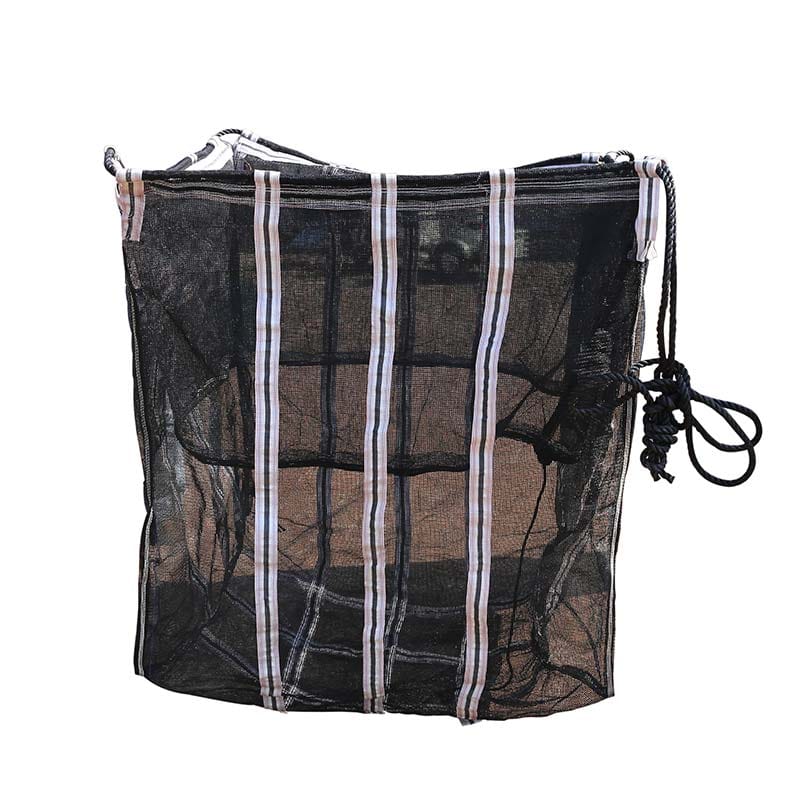
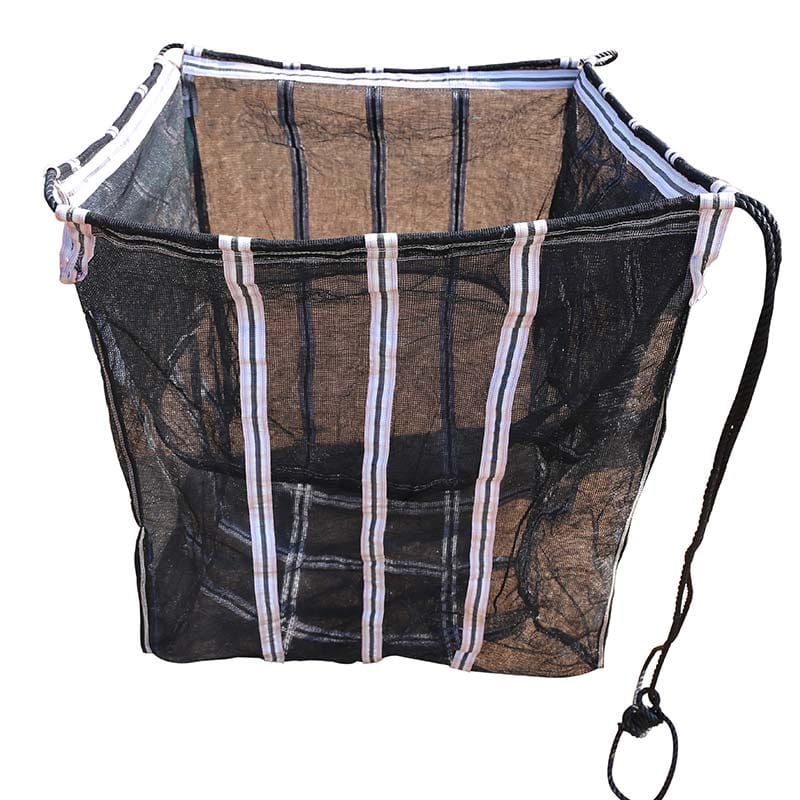
Aquaculture nets are essential tools in modern fish farming, designed to contain and protect fish and shrimp in ponds, cages, or other aquaculture systems. These nets play a critical role in maintaining the health and growth of aquatic species while minimizing losses from predators and escapes.
In recent years, the aquaculture industry has seen significant growth due to the increasing global demand for seafood. Proper use of aquaculture nets can improve efficiency, reduce operational costs, and ensure sustainable farming practices. Understanding the different types, materials, and applications of these nets is crucial for any fish farm operator.
Types of Aquaculture Nets
Choosing the right aquaculture net depends on the species being farmed, pond or cage conditions, and environmental factors.
- Nylon Aquaculture Nets: Known for their high flexibility and durability, nylon nets are widely used for both freshwater and marine fish. They are resistant to abrasion and can withstand frequent handling.
- Polyethylene Aquaculture Nets: Lightweight and UV-resistant, polyethylene nets are ideal for outdoor ponds exposed to sunlight. They are cost-effective and offer excellent longevity.
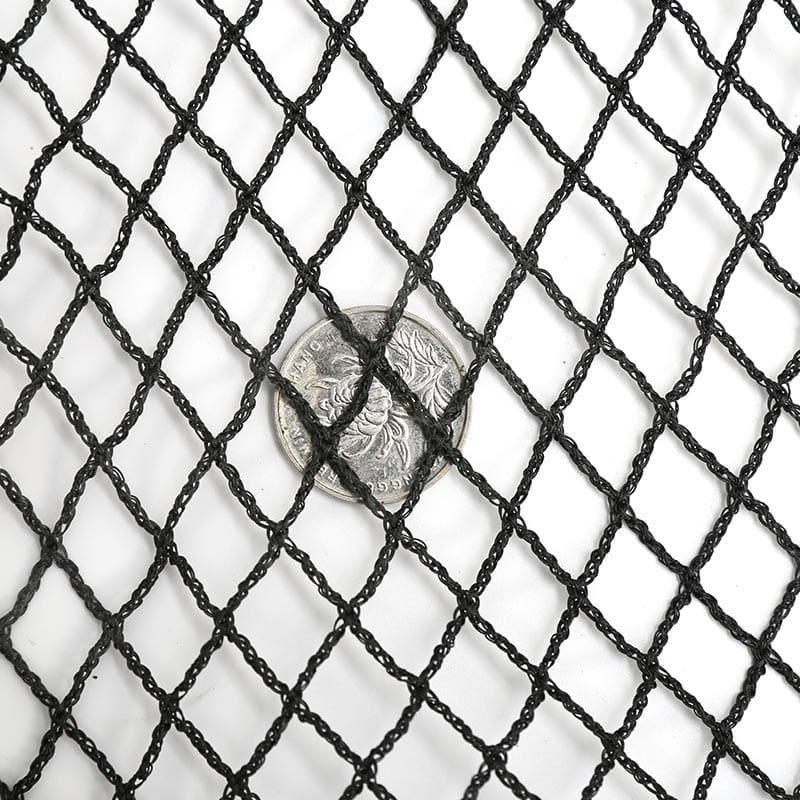
- Knotless vs Knotted Nets: Knotless nets prevent fish from getting tangled, making them suitable for delicate species like tilapia or shrimp. Knotted nets, on the other hand, provide higher strength for larger fish.
- Specialized Nets: Some aquaculture nets are designed for specific species, such as shrimp or tilapia, with variations in mesh size, thickness, and buoyancy to meet particular farming needs.
Key Benefits of Using Aquaculture Nets
Aquaculture nets offer numerous advantages that enhance fish farming efficiency:
- Predator Protection: Nets prevent birds, otters, and other predators from accessing the pond, significantly reducing losses.
- Fish Containment: Properly installed nets prevent fish from escaping, ensuring accurate population control.
- Improved Water Management: Nets help maintain water quality by containing feed and reducing debris spread.
- Cost Efficiency: Compared to constructing permanent enclosures, nets are a more affordable solution with a longer lifespan.
How to Choose the Right Aquaculture Tank
Selecting the most suitable aquaculture tank requires careful consideration of several factors:
- Mesh Size: Smaller mesh prevents juvenile fish from escaping, while larger mesh allows water flow and waste passage.
- Material: Nylon and polyethylene are the most common, but UV resistance, tensile strength, and durability should be evaluated.
- Pond Size and Depth: The net must fully cover the area without sagging or causing tangling.
- Species: Different fish and shrimp species have varying swimming strengths and behaviors, influencing net choice.
- Customization: As a manufacturer, we provide custom solutions to fit unique farm layouts and species requirements.
Installation and Maintenance of Aquaculture Nets
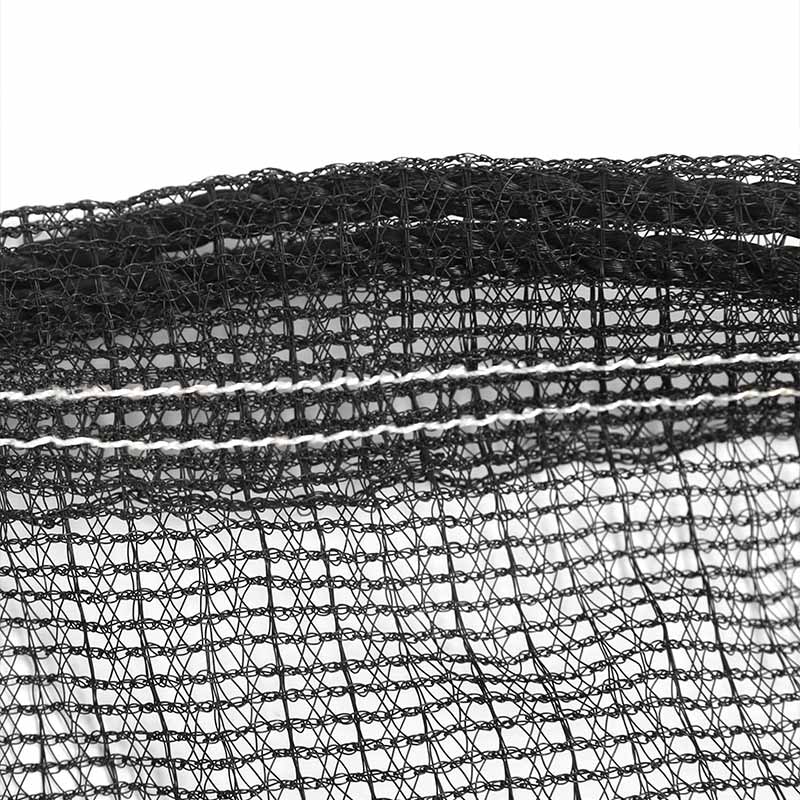
Proper installation ensures that aquaculture tank perform efficiently and last longer.
- Installation: Anchor the net securely around the pond or cage perimeter. Ensure floating buoys or frames maintain tension and prevent sagging.
- Cleaning: Regularly remove algae, debris, and fouling organisms to maintain water flow and prevent disease.
- Inspection: Check for tears, loose knots, or UV damage frequently. Repair immediately to avoid fish escapes.
- Seasonal Adjustments: Nets may need tightening or repositioning during storms or extreme weather.
Common Problems and Solutions
Even the best nets require careful management to avoid issues:
- Predator Breaches: Use reinforced edges or double-layer nets in areas prone to birds or otters.
- Net Tearing: Opt for high-tensile materials and repair small tears promptly.
- Weather Damage: Choose UV-resistant polyethylene nets for outdoor use to minimize degradation.
Cost and Investment Considerations
Investing in high-quality aquaculture nets provides long-term benefits. Below is a comparison of common net materials:
| Net Material | Average Lifespan | UV Resistance | Cost | Best Use Case |
|---|---|---|---|---|
| Nylon | 3–5 years | Medium | Medium | Freshwater and marine fish |
| Polyethylene | 5–7 years | High | Low | Outdoor ponds exposed to sun |
| Knotless Nylon | 3–4 years | Medium | Medium | Shrimp, tilapia, delicate fish |
| Knotted Nylon | 4–6 years | Medium | Medium | Large fish, high strength needs |
Innovations in Aquaculture Net Technology
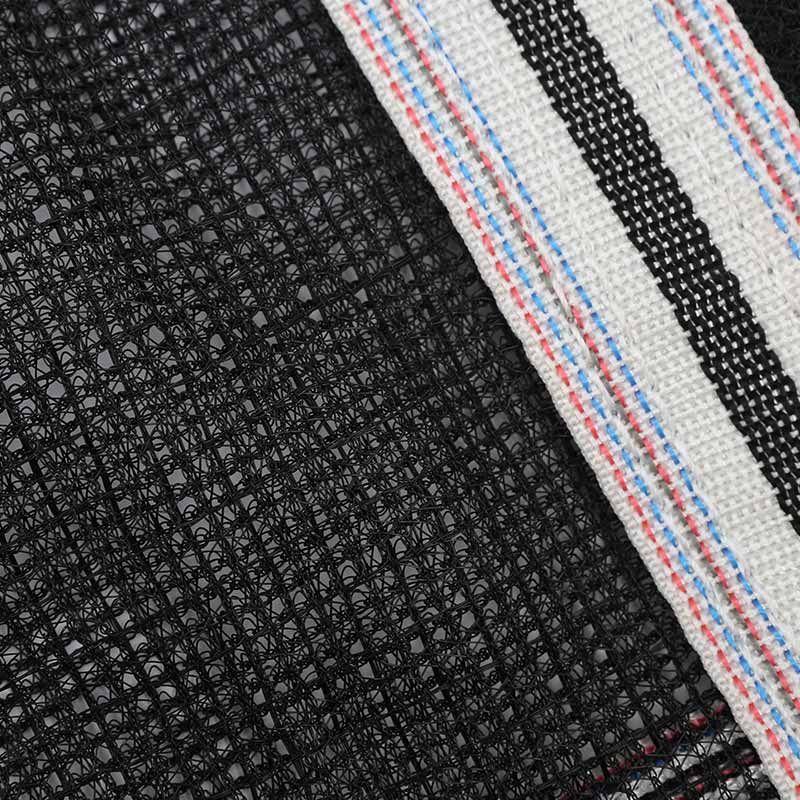
The industry is evolving with new net designs to increase efficiency and sustainability:
- Eco-Friendly Materials: Biodegradable and recyclable nets reduce environmental impact.
- Floating vs Submerged Systems: Floating nets prevent debris accumulation, while submerged nets reduce predator visibility.
- Advanced Designs: Anti-predator reinforced nets and UV-resistant coatings extend lifespan and reduce maintenance costs.
Conclusion
Aquaculture nets are a cornerstone of efficient and sustainable fish farming. By selecting the right type, material, and installation method, fish farmers can protect their stock, improve farm management, and reduce operational costs. Whether you are cultivating shrimp, tilapia, or other species, investing in high-quality nets ensures long-term efficiency and profitability.
As a manufacturer of aquaculture nets, we provide tailored solutions for all farm sizes and species. Contact us today to discuss custom designs, wholesale options, and professional advice to optimize your fish farming operations.
FAQ
Q1: What is an aquaculture net used for?
A: An aquaculture net is used to contain and protect fish or shrimp in ponds, cages, or tanks, preventing escapes and keeping predators out.
Q2: What materials are commonly used for aquaculture nets?
A: The most common materials are nylon and polyethylene. Nylon offers flexibility and strength, while polyethylene is UV-resistant and durable for outdoor ponds.
Q3: How do I choose the right mesh size for an aquaculture net?
A: Mesh size depends on the species and age of your fish. Smaller mesh prevents juveniles from escaping, while larger mesh suits adult fish and allows water flow.
Q4: How long does a high-quality aquaculture net last?
A: With proper installation and maintenance, nylon nets typically last 3–5 years, while polyethylene nets can last 5–7 years in outdoor conditions.
Q5: Can aquaculture tank be customized for specific farms?
A: Yes, manufacturers can provide custom aquaculture tank tailored to pond size, species, and environmental conditions for optimal efficiency and protection.