Table of Contents
Introduction
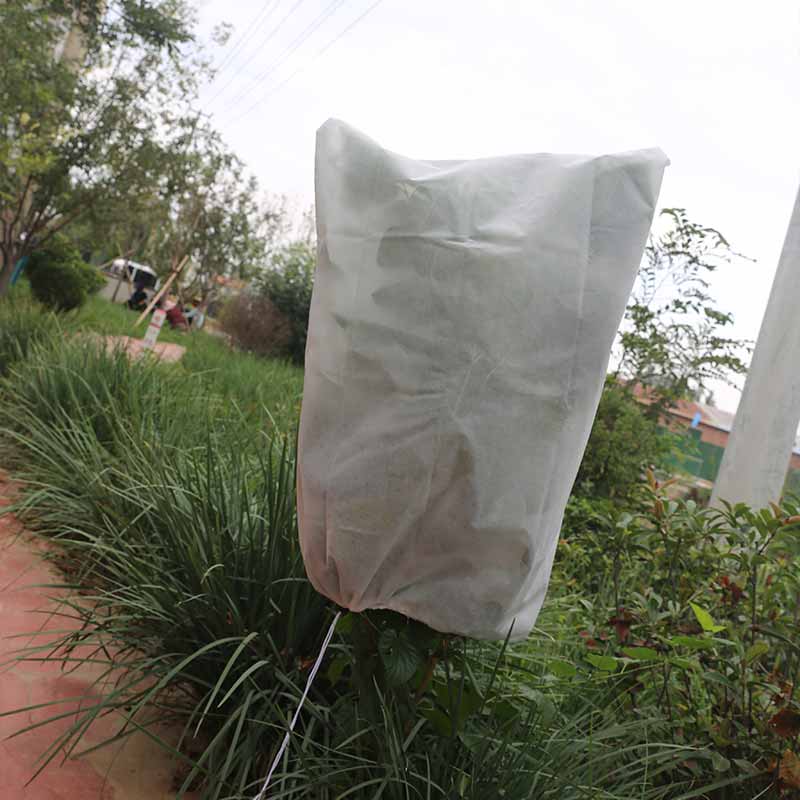
Frost protection covers are essential tools for gardeners and commercial growers aiming to safeguard their plants during cold weather. As a manufacturer of high-quality frost protection covers, we understand the importance of protecting vegetables, fruit trees, and potted plants from frost damage. These covers act as a barrier against freezing temperatures, frost, and harsh winter winds, helping maintain soil warmth and moisture levels.
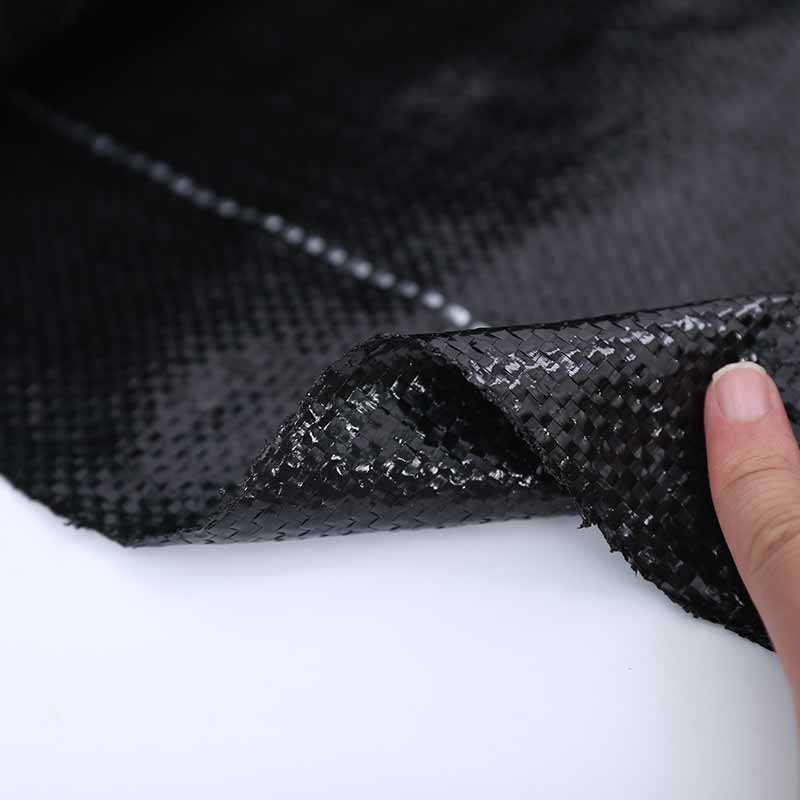
There are various types of frost protection materials available on the market, including fleece, polyethylene, and reusable fabric covers. Each type has unique benefits, from breathability to waterproofing, allowing you to select the right option based on your plants’ needs and the severity of your winter conditions.
Benefits of Using Frost Protection Covers
Using frost protection covers provides multiple advantages for both home gardeners and commercial growers:
- Plant Protection: Shields vegetables, fruit trees, and delicate plants from frost and cold damage.
- Soil and Moisture Retention: Keeps soil temperature stable and reduces water evaporation.
- Reduced Plant Stress: Protects plants during sudden cold spells, ensuring healthier growth.
- Improved Yield: Helps crops survive winter, increasing productivity and overall harvest quality.
Additionally, frost protection covers are a cost-effective alternative to more expensive solutions like greenhouses or heated enclosures, making them ideal for sustainable gardening.
Choosing the Right Frost Protection Cover
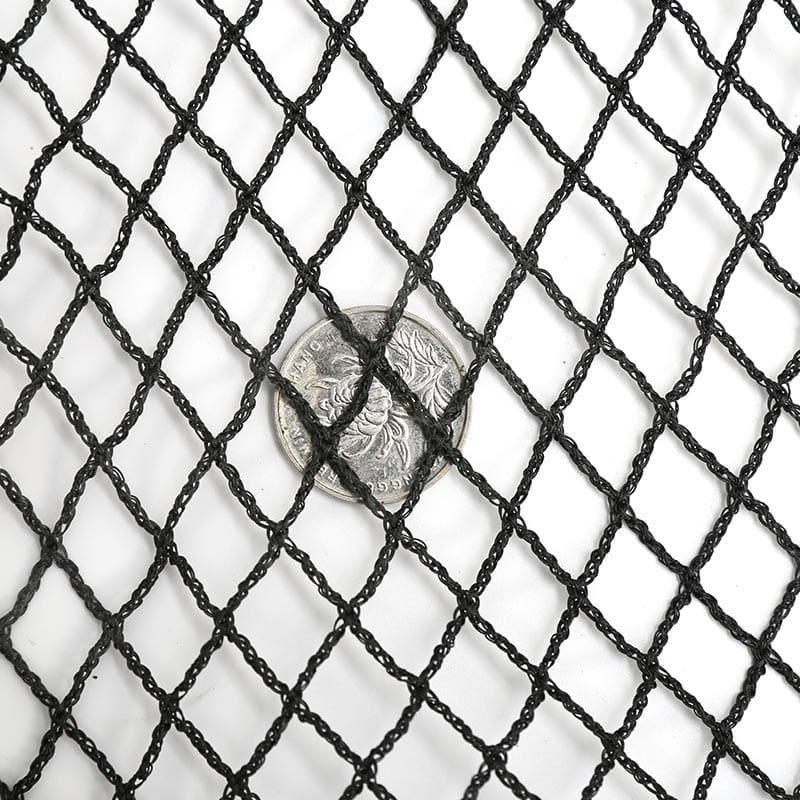
Selecting the proper frost protection network is crucial for effective plant protection. Key considerations include:
- Material Selection: Breathable covers allow air circulation and prevent condensation, while waterproof options protect against heavy frost or snow.
- Size and Shape: Choose covers that fit the specific plants or garden areas, ensuring full coverage without leaving gaps.
- Reusable vs. Disposable: Reusable covers are more sustainable and durable, while disposable covers may be suitable for temporary or emergency use.
Here’s a quick comparison to help you choose:
| Feature | Breathable Cover | Waterproof Cover | Reusable Fabric Cover |
|---|---|---|---|
| Airflow | High | Low | Medium |
| Frost Protection | Medium | High | High |
| Durability | Medium | High | Very High |
| Ideal Use | Vegetables, delicate plants | Heavy frost, winter storms | Home garden, repeated use |
Step-by-Step Guide to Installing a Frost Protection Cover
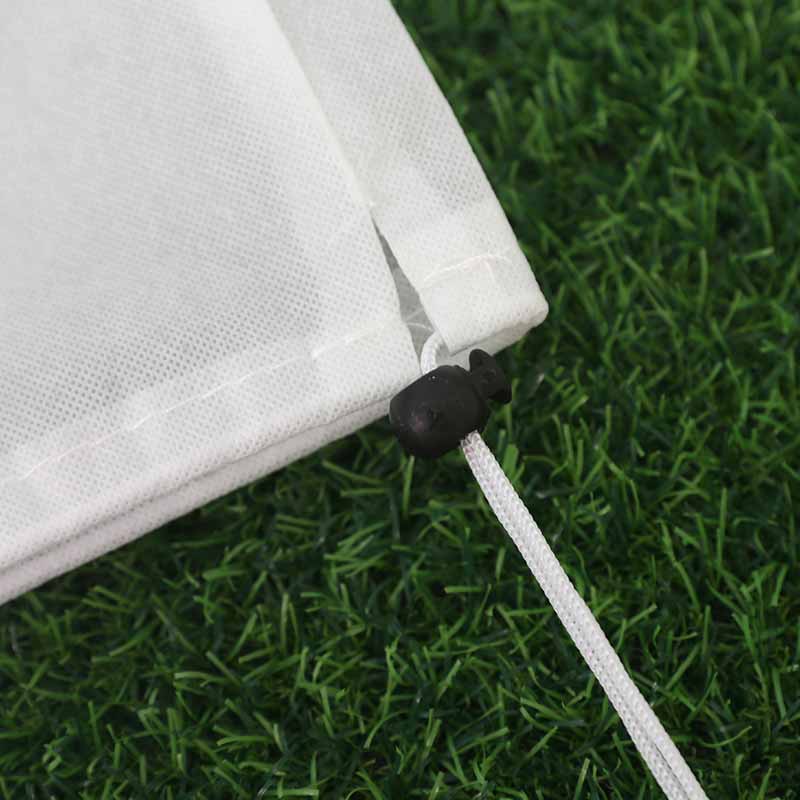
Proper installation ensures maximum protection for your plants:
- Prepare the Plants: Remove dead leaves and debris around the plant base to prevent moisture buildup.
- Cover Placement: Place the frost protection network gently over the plants, making sure all leaves are covered.
- Securing the Cover: Use stakes, clips, or weights to anchor the cover to the ground. This prevents wind from lifting the fabric.
- Layering for Extreme Cold: For very low temperatures, consider using multiple layers or combining with mulch to enhance insulation.
Following these steps reduces frost damage and keeps your plants thriving throughout winter.
Frost Protection Covers for Specific Plants
Different plants have varying frost sensitivities, so the type and installation of covers may vary:
- Vegetables: Tomatoes, peppers, leafy greens, and root vegetables benefit from lightweight fleece or breathable covers.
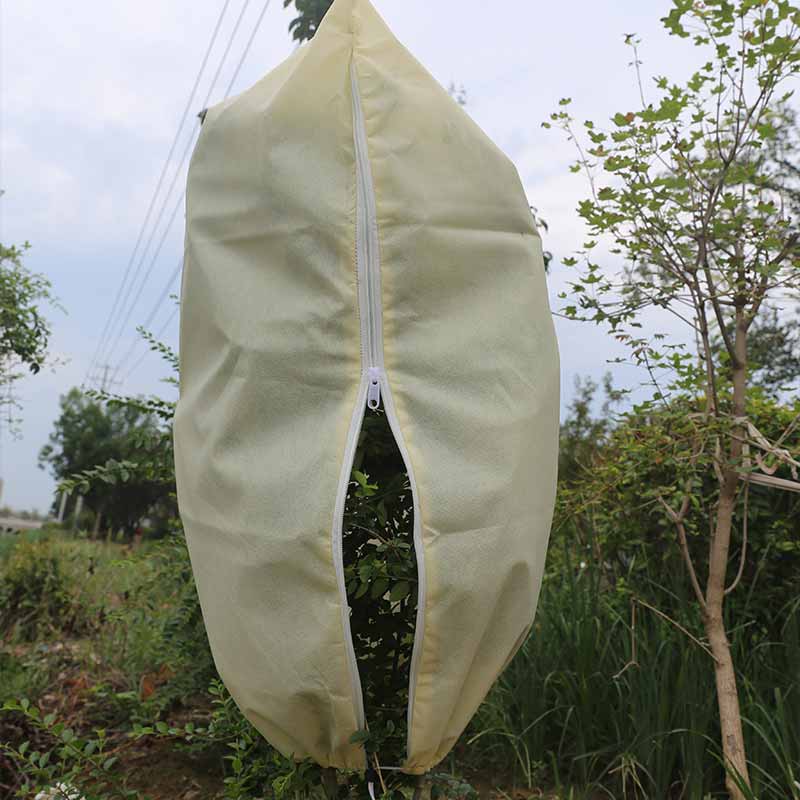
- Fruit Trees: Citrus, apples, and pears require sturdy, heavy-duty covers to protect blossoms and fruit from frost.
- Potted Plants: Balcony gardens or container plants can be protected using small, reusable covers with stakes for easy placement.
Customizing your frost protection strategy ensures each plant type receives optimal care.
Frost Protection Cover vs Other Winter Solutions
Gardeners often consider alternative winter protection methods. Here’s how frost protection covers compare:
- Frost Cloth: Similar in function, frost cloth is lightweight and breathable, ideal for delicate plants.
- Greenhouse or Hoop House: Offers long-term protection but requires significant investment.
- Combination with Mulch: Adding mulch beneath plants alongside covers improves insulation and soil temperature retention.
Choosing the right combination depends on your garden size, plant type, and climate conditions.
Common Mistakes and How to Avoid Them
To maximize effectiveness, avoid these common errors:
- Incomplete Coverage: Leaving gaps reduces protection and exposes plants to frost.
- Non-Breathable Materials: Condensation can form inside, potentially damaging leaves.
- Forgetting to Remove Covers: During sunny days, remove covers to prevent overheating.
- Over-Reliance on Covers: Monitor temperatures and adjust protection as needed rather than depending solely on the cover.
Attention to detail ensures your frost protection covers perform as intended.
Maintenance and Storage Tips for Frost Protection Covers
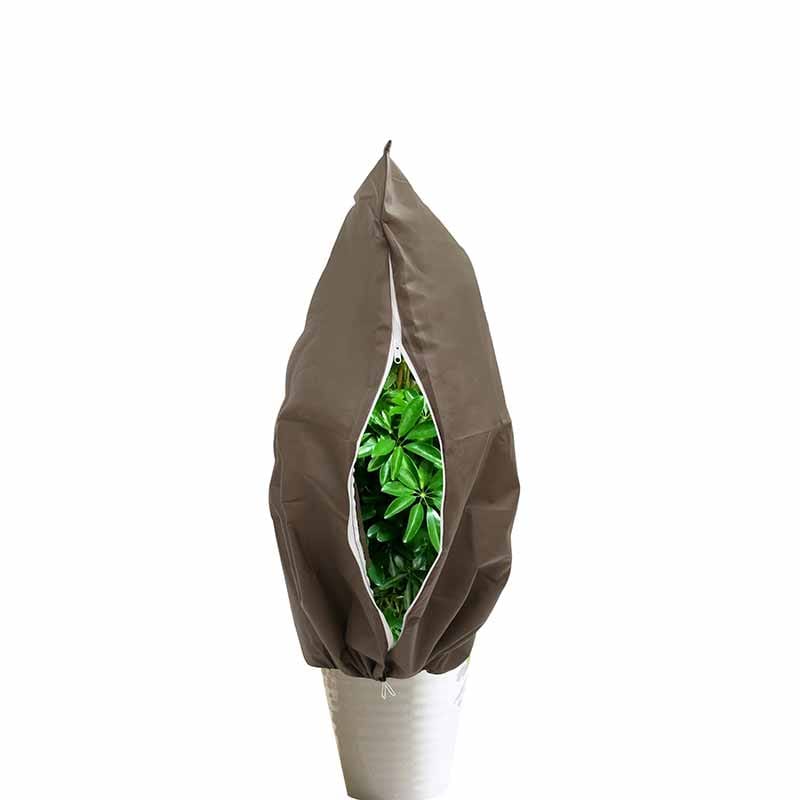
Proper care extends the life of your frost protection covers:
- Cleaning: Rinse off dirt, debris, and plant residue after each season.
- Drying: Make sure the cover is completely dry before storage to prevent mold and mildew.
- Folding and Storage: Store in a dry, cool area, folded neatly to avoid tears.
- Inspection: Check for damage and reinforce edges before reusing next season.
Regular maintenance ensures your covers are ready for optimal performance year after year.
Conclusion
Frost protection covers are an essential tool for gardeners and commercial growers seeking to safeguard their plants during winter. By choosing high-quality, appropriately sized covers, and following proper installation and maintenance techniques, you can protect vegetables, fruit trees, and potted plants effectively. As a manufacturer of durable and reliable frost protection covers, we emphasize the importance of selecting the right material and using best practices to ensure plant survival, maximize yield, and save costs. Investing in the right frost protection cover is not just about safeguarding plants—it’s about creating a thriving, productive garden throughout the cold season.
FAQ
How long can I leave a frost protection cover on my plants?
Typically, covers can stay overnight or during frost periods, but should be removed during sunny days.
Can frost protection covers be used year after year?
Yes, reusable covers are designed for multiple seasons if properly maintained.
Do frost protection covers work in extreme cold climates?
They are effective for moderate frost; for extreme cold, additional insulation or layering may be needed.
What is the difference between a frost cover and a row cover?
Row covers are lightweight and often used for insect protection in addition to frost; frost covers are thicker and primarily for cold protection.