
Table of Contents
As a manufacturer of high-quality insect net for garden, we understand how important it is to protect your plants while ensuring healthy growth. Gardeners and farmers often face the challenge of pests, insects, and birds damaging crops. Using a well-designed garden insect net is one of the most effective, eco-friendly, and long-lasting solutions available. In this comprehensive guide, we will explore everything you need to know about insect net for garden, from types and benefits to installation tips and maintenance.
What is an Insect Net for Garden?

An insect net for garden is a protective mesh that shields plants from harmful insects and pests. It serves as a natural barrier, preventing bugs like aphids, caterpillars, and whiteflies from reaching your crops. Unlike chemical pesticides, insect nets offer a safe solution for both edible plants and ornamental flowers.
Definition and Purpose
The main purpose of a garden insect net is to protect plants while maintaining airflow, sunlight penetration, and water absorption. Using these nets helps you reduce chemical usage, making your garden safer for family, pets, and the environment.
Materials and Types
Insect nets for garden are made from various materials, each offering unique benefits:
- Nylon: Lightweight, flexible, and cost-effective.
- Polyester: UV-resistant, durable, and long-lasting.
- Polyethylene: Strong and suitable for heavy-duty outdoor use.
Mesh size varies depending on your target pests. Fine mesh keeps small insects away, while coarser mesh is effective against larger pests and birds.
Benefits of Using an Insect Net for Garden
Investing in a quality garden insect net offers several advantages:
- Natural Pest Control – Prevents insect damage without chemicals.
- Increased Crop Yield – Protects plants during critical growth stages.
- Environmentally Friendly – Reduces pesticide usage and soil contamination.
- Protects from Birds and Animals – Keeps larger pests away.
- Cost-Effective – Reusable for multiple growing seasons, saving money in the long run.
How to Install Garden Insect Nets Correctly

Installing your insect net for garden properly ensures maximum protection and longevity.
Step-by-Step Installation Guide
- Select the Right Size and Mesh – Measure your garden and choose the appropriate net size.
- Set Up Frames or Supports – Use metal or PVC frames to hold the net above plants.
- Secure the Edges – Anchor edges to the soil or garden bed to prevent insects from entering.
- Check for Gaps – Ensure there are no openings around the net for pests to sneak in.
Tips for Maintaining Your Garden Net
- Clean the net regularly with water to remove dirt and debris.
- Repair small tears promptly to maintain effectiveness.
- Store nets in a dry, shaded area during off-season to extend lifespan.
Types of Insect Nets for Garden
Choosing the right insect net for garden depends on your plants and environment.
| Type | Material | Best For | Pros | Cons |
|---|---|---|---|---|
| Fine Mesh | Polyester/Nylon | Small insects like aphids | Blocks tiny pests, lightweight | Can be delicate, needs careful handling |
| Coarse Mesh | Polyester/Polyethylene | Birds, larger insects | Durable, reusable | Allows smaller insects through |
| Lightweight Drapes | Nylon | Vegetables and flowers | Easy to handle, flexible | Less durable outdoors |
| Frame-Based Nets | Polyester | High-value crops | Long-lasting, strong | Higher initial cost |
Insect Net vs Other Plant Protection Methods
Many gardeners wonder whether insect nets are better than alternatives like row covers or chemical pesticides.
- Insect Net vs Row Covers: Nets provide more durability and allow air circulation, while row covers may trap heat.
- Insect Net vs Chemical Pesticides: Nets reduce chemical use, are eco-friendly, and safe for edible crops.
- Choosing the right protection method depends on plant type, pest type, and garden size.
How to Choose the Best Insect Net for Garden
As a manufacturer, we recommend considering these factors when selecting a garden insect net:
- Mesh Size: Match mesh size with target pests – smaller mesh for tiny insects, larger mesh for birds.
- Material: Polyester and UV-resistant nets last longer outdoors.
- Durability: Heavy-duty nets withstand wind, rain, and sun exposure.
- Size: Ensure coverage for your garden layout and plant type.
- Manufacturer Direct Purchase: Buying directly from the manufacturer ensures consistent quality and customization options.
Common Mistakes to Avoid When Using Garden Insect Nets
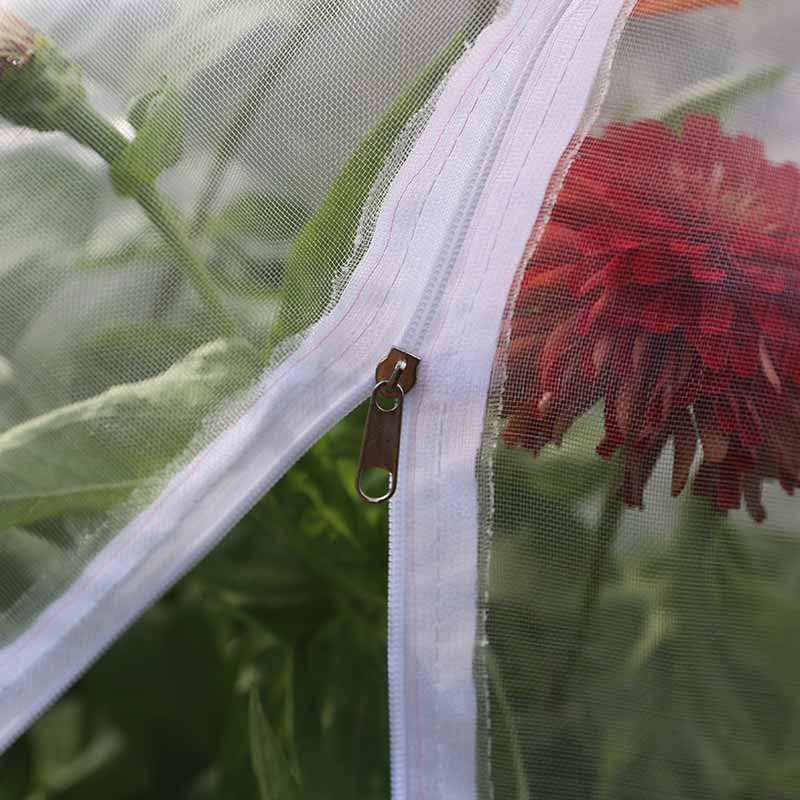
Even high-quality insect nets can fail if used incorrectly. Avoid these common errors:
- Leaving gaps or poorly securing edges
- Using the wrong mesh size for the intended pests
- Forgetting maintenance and cleaning
- Choosing nets without UV protection for outdoor use
Conclusion
A quality insect net for garden is an essential tool for gardeners who want to protect their crops naturally and efficiently. As a manufacturer, we ensure that our nets are durable, UV-resistant, and tailored to different garden needs. Using an insect net for vegetable garden or ornamental plants not only reduces pesticide use but also increases crop yield and safety. By choosing the right net, maintaining it properly, and purchasing directly from a trusted manufacturer, you can safeguard your garden and enjoy a thriving harvest season.
FAQ
Q: How long does a garden insect net last?
A: With proper care, most high-quality nets last 3–5 years or more.
Q: Can insect nets protect from all pests?
A: Nets are highly effective against most insects and birds but may not block very small or underground pests.
Q: Are insect nets reusable?
A: Yes, durable nets can be reused for multiple growing seasons.
Q: What is the best mesh size for vegetables vs fruits?
A: Fine mesh (0.5–1 mm) for vegetables, medium mesh (1–2 mm) for fruits, depending on the pests you want to block.