
Table of Contents
Introduction
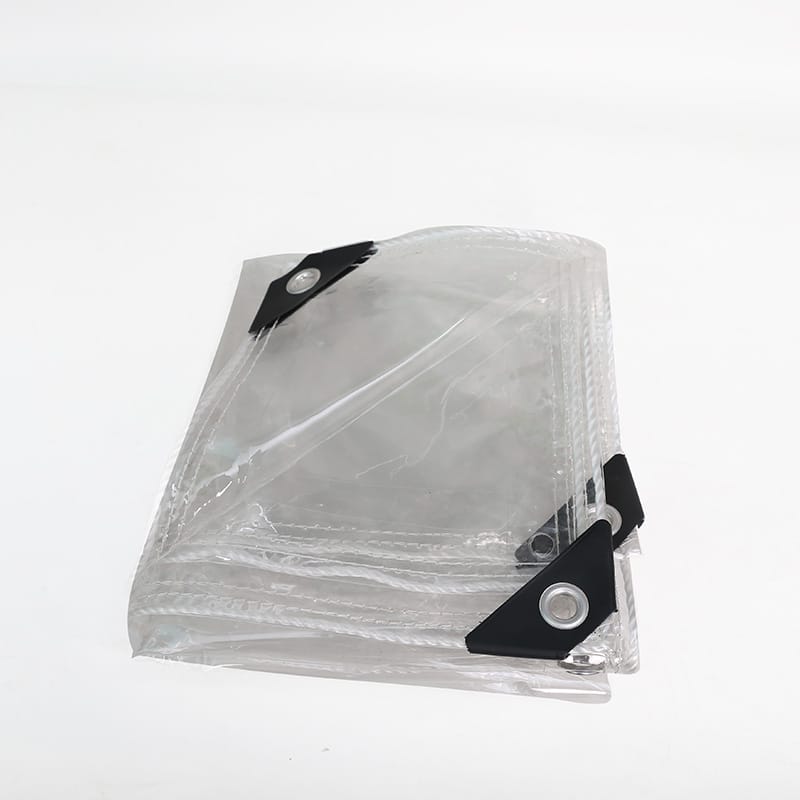
Industrial tarpaulins are essential solutions for protecting equipment, materials, and workspaces in a variety of industries. As a manufacturer of high-quality industrial tarpaulins, we understand the importance of durability, material choice, and design tailored to different applications.
Industrial tarpaulins are commonly used in construction sites, warehouses, transportation, agriculture, and manufacturing facilities. They provide protection against rain, UV rays, dust, and physical damage. Selecting the right industrial tarpaulin not only safeguards your assets but also enhances efficiency and longevity of the products they cover.
Choosing the right tarpaulin ensures your investment is protected, reduces maintenance costs, and prevents downtime caused by damaged materials or machinery.
Types of Industrial Tarpaulins
PVC Industrial Tarpaulins
PVC industrial tarpaulins are highly durable, waterproof, and resistant to UV rays. They are ideal for outdoor storage, truck covers, and industrial machinery protection. Their reinforced edges and grommets make installation and securing easy, even in harsh weather conditions.
PE (Polyethylene) Industrial Tarpaulins
PE tarpaulins are lightweight and cost-effective, suitable for temporary covers, construction sites, and light industrial applications. They are water-resistant and can be treated to enhance UV protection.
Canvas and Other Specialty Tarpaulins
Canvas tarpaulins are breathable yet durable, often used in applications requiring airflow, such as agricultural storage or equipment covers. Specialty tarpaulins may include fire-retardant, anti-static, or reinforced variants for specific industrial needs.
Key Features to Look for in Industrial Tarpaulins
Waterproof and UV Resistant Properties
A high-quality industrial tarpaulin must provide reliable protection from water and prolonged sun exposure. Waterproof coatings and UV inhibitors extend the lifespan of the material.
Fire Retardant and Anti-Tear Capabilities
For safety-critical environments, fire-retardant tarpaulins are essential. Anti-tear reinforcement ensures durability under heavy loads and harsh industrial usage.
Reinforced Edges and Grommets for Durability
Reinforced hems and strategically placed grommets allow easy fastening and reduce the risk of ripping during high tension or frequent handling.
How to Select the Right Material for Your Needs
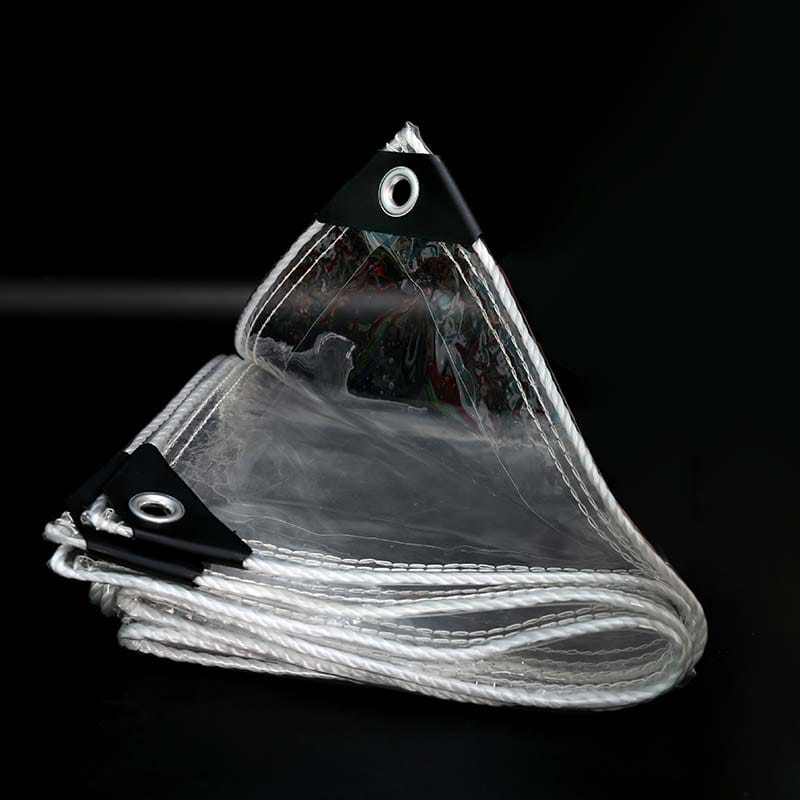
Selecting the proper material depends on application, environment, and load requirements. Outdoor applications typically demand PVC tarpaulins with UV and waterproof coatings. Indoor or temporary use may suit PE tarpaulins. Heavy-duty industrial uses, such as factory storage or truck covers, require fire-retardant and reinforced materials.
Comparison Table of Industrial Tarpaulin Materials:
| Material Type | Durability | Waterproof | UV Resistant | Best Use Cases |
|---|---|---|---|---|
| PVC | High | Yes | Yes | Outdoor storage, trucks, machinery |
| PE | Medium | Yes | Moderate | Temporary covers, light industry |
| Canvas | High | Moderate | Low | Agricultural storage, breathable covers |
| Specialty | High | Varies | Varies | Fire-retardant, reinforced, industrial safety |
Custom Industrial Tarpaulins
Ordering directly from a manufacturer provides significant advantages. Custom tarpaulins allow you to specify size, thickness, color, and reinforcement to match your exact industrial requirements. Customization ensures optimal protection for equipment, machinery, or storage solutions while meeting safety and regulatory standards.
Installation and Usage Tips
Proper installation is crucial to maximize the lifespan of your tarpaulin. Secure grommets with ropes or bungee cords, avoid overstretching, and ensure even tension. For storage, fold tarpaulins carefully to prevent creases that can weaken the material. Regular cleaning prevents mold, mildew, and dirt buildup, maintaining both appearance and functionality.
Common Problems and How to Solve Them
Industrial tarpaulins may encounter punctures, tears, or UV damage over time. Small tears can be repaired using industrial patch kits or heat sealing for PVC materials. Mold and mildew can be removed with mild detergent and sunlight drying. Following manufacturer maintenance instructions ensures your tarpaulin lasts longer and maintains its protective qualities.
Benefits of Working Directly with an Industrial Tarpaulin Manufacturer

Partnering with a manufacturer offers several advantages over resellers or distributors:
- Quality Assurance: Direct oversight of production ensures consistent material quality and durability.
- Competitive Pricing: Eliminates middleman costs, especially for bulk orders.
- Custom Options: Tailored sizes, colors, and reinforcement features.
- Faster Turnaround: Efficient manufacturing process for large or urgent orders.
Conclusion
Choosing the right industrial tarpaulin is critical for protecting your assets, maintaining safety standards, and improving operational efficiency. By understanding the types, materials, and key features, businesses can make informed decisions that match their specific industrial needs. Working directly with a manufacturer ensures quality, customization, and competitive pricing.
Investing in the right industrial tarpaulin today means long-term protection and reliability for your projects, equipment, and storage solutions. Contact us to discuss your industrial tarpaulin requirements and get a customized solution that fits your business needs.
FAQ
1. What is an industrial tarpaulin used for?
An industrial tarpaulin protects equipment, machinery, and materials from weather, dust, and damage. It is commonly used in construction, warehouses, transportation, and manufacturing.
2. What materials are industrial tarpaulins made of?
Industrial tarpaulins are typically made from PVC, polyethylene (PE), canvas, or specialty reinforced materials, depending on the required durability, waterproofing, and UV resistance.
3. How do I choose the right industrial tarpaulin?
Consider the application, environment, and material properties. Outdoor use often requires waterproof and UV-resistant PVC tarpaulins, while indoor or temporary covers may use PE or canvas.
4. Can industrial tarpaulins be customized?
Yes, manufacturers can produce custom sizes, thickness, colors, and reinforced edges to match your specific industrial needs, ensuring optimal protection for machinery and storage.
5. How do I maintain an industrial tarpaulin?
Regular cleaning, proper folding, and storing in a dry area extend the lifespan. Repair small tears promptly and avoid exposing tarpaulins to prolonged harsh sunlight if they are not UV-treated.