
Table of Contents
Polyethylene rope is widely used across marine, fishing, construction, agriculture, and industrial applications due to its excellent strength-to-weight ratio, chemical resistance, and UV stability. As a polyethylene rope manufacturer, we understand how important it is for buyers to find a reliable supplier who can deliver consistent quality, custom specifications, and competitive pricing. This article will guide you through everything you need to know when selecting the right polyethylene rope manufacturer, including how to compare HDPE and UHMWPE ropes, evaluate factory capabilities, and avoid common quality issues.
What Is Polyethylene Rope? (Basic Definition & Material)
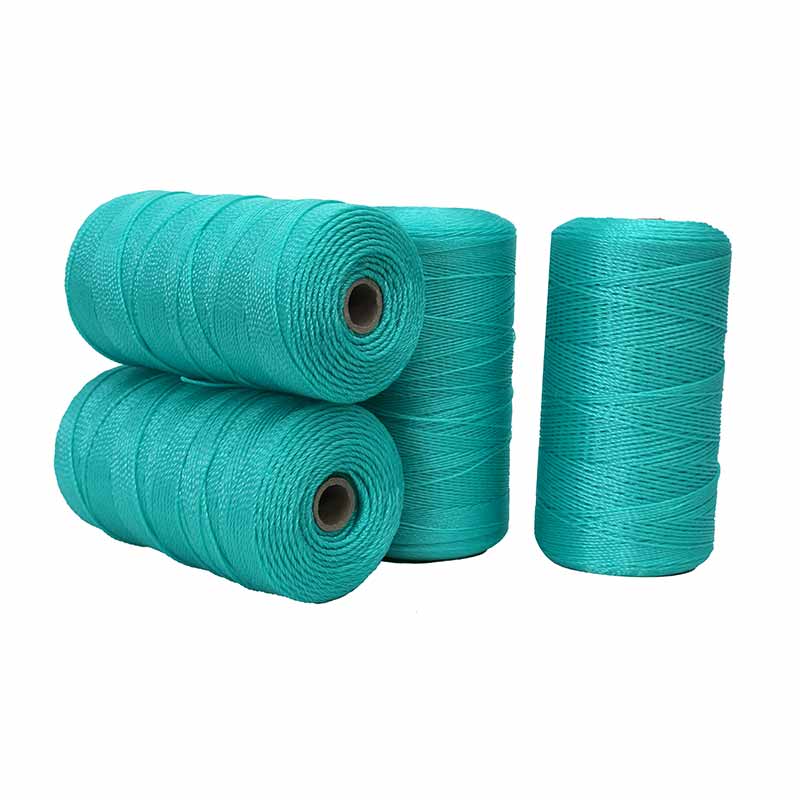
Polyethylene rope is a synthetic rope made from polyethylene polymer. It is known for being lightweight, flexible, and highly resistant to chemicals, UV rays, and abrasion. Polyethylene rope can be manufactured in different forms such as braided, twisted, and kernmantle, each offering specific performance benefits.
Polyethylene vs Other Materials (Nylon, Polyester, PP)
Compared to nylon and polyester, polyethylene rope is typically lighter and more resistant to moisture. Nylon has better elasticity and shock absorption, while polyester is known for UV resistance and low stretch. Polypropylene (PP) rope is similar in appearance but generally has lower strength and heat resistance than polyethylene.
Key Properties of Polyethylene Rope (Strength, UV Resistance, Abrasion)
The most important properties of polyethylene rope include:
- High tensile strength: Polyethylene rope can withstand heavy loads without breaking.
- Low elongation: It maintains stability under load and does not stretch excessively.
- UV resistance: Polyethylene is less affected by sunlight, making it suitable for outdoor and marine use.
- Chemical resistance: It performs well in harsh environments, including saltwater and corrosive chemicals.
- Lightweight: Easier to handle and reduces overall load weight.
Common Types of Polyethylene Rope (HDPE, UHMWPE, Braided, Twisted)
Polyethylene rope is available in multiple variations, including:
- HDPE rope (High-Density Polyethylene): Good for general use, fishing, and outdoor applications.
- UHMWPE rope (Ultra High Molecular Weight Polyethylene): Known for extreme strength and low stretch; ideal for mooring, towing, and heavy-duty industrial use.
- Braided rope: Smooth surface, flexible, and easy to handle; widely used in marine and sports applications.
- Twisted rope: Strong and cost-effective, suitable for basic industrial use.
Why Choosing the Right Polyethylene Rope Manufacturer Matters
Selecting the wrong manufacturer can lead to poor product performance, safety risks, and higher long-term costs. A reliable polyethylene rope manufacturer ensures consistent quality, accurate specifications, and dependable supply.
Quality Control and Product Consistency
A reputable manufacturer will have strict quality control systems in place, including raw material inspection, production monitoring, and final product testing. This ensures that each batch of rope meets required strength, diameter, and performance standards.
Safety Risks of Poor-Quality Rope (Breaking, UV Degradation, Wear)
Low-quality polyethylene rope may fail due to improper material, weak fibers, or poor manufacturing. In marine or industrial applications, rope failure can lead to accidents, equipment damage, and serious safety hazards.
Long-Term Cost Savings (Durability & Service Life)
Although high-quality polyethylene rope may cost more upfront, it provides better durability, longer service life, and lower replacement frequency. This results in reduced maintenance and lower total cost of ownership.
Different Types of Polyethylene Rope and Their Uses
Understanding the differences between HDPE rope, UHMWPE rope, braided rope, and twisted rope helps you choose the best solution for your specific application.
HDPE Rope Applications (Fishing, Marine, Outdoor)
HDPE rope is a cost-effective choice for fishing nets, marine docking lines, and outdoor general use. It is light, resistant to chemicals and UV, and suitable for moderate load applications.
UHMWPE Rope Applications (Mooring, Towing, Heavy Duty)
UHMWPE rope is used for heavy-duty marine operations such as mooring and towing. It has high tensile strength, low elongation, and excellent resistance to abrasion. It is ideal for demanding environments where safety and performance are critical.
Braided vs Twisted Polyethylene Rope (Advantages & Limitations)
Braided rope offers a smooth surface and excellent flexibility, making it easy to handle and knot. Twisted rope is more economical and strong but may have higher abrasion and less smooth handling. Depending on your needs, manufacturers can provide both braided and twisted options.
Key Specifications to Evaluate When Choosing a Manufacturer
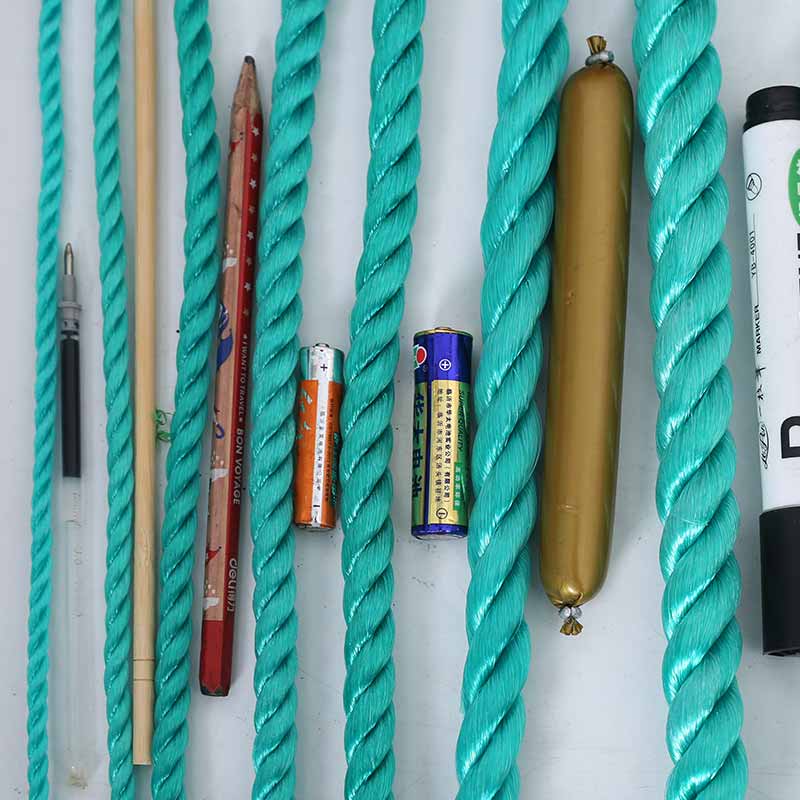
When you are selecting a polyethylene rope manufacturer, it’s essential to evaluate the following specifications to ensure the product meets your project requirements.
Tensile Strength & Breaking Load
Tensile strength refers to the maximum load a rope can withstand before breaking. It is critical for applications like mooring, towing, and industrial lifting.
Diameter, Weight, and Elongation
Diameter affects load capacity and handling. Weight influences portability and shipping costs. Elongation determines how much the rope stretches under load, which impacts performance and safety.
UV Resistance & Weather Resistance
For outdoor and marine use, UV resistance is crucial. Polyethylene rope should maintain strength and color stability even after prolonged sun exposure.
Abrasion Resistance & Chemical Resistance
Abrasion resistance ensures the rope can withstand friction, while chemical resistance helps it perform in harsh environments like saltwater, acids, or oils.
How to Find a Reliable Polyethylene Rope Manufacturer
As a manufacturer, we believe transparency and quality are the foundation of trust. Here are the key factors to consider when evaluating any polyethylene rope manufacturer.
Checking Factory Certifications and Testing Standards
A credible manufacturer should provide certification and test reports, such as tensile testing, UV resistance tests, and quality assurance documentation. These ensure the rope meets industry standards and customer requirements.
Evaluating Production Capacity and Equipment
A manufacturer’s production capacity and equipment determine their ability to deliver on time, especially for bulk orders and OEM requests. Factory direct manufacturers usually provide more stable supply and better pricing.
Reviewing Customer Feedback and Industry Reputation
Customer reviews, case studies, and industry reputation can reflect the manufacturer’s reliability. Long-term partnerships and repeat orders are a good sign of consistent product quality.
Importance of OEM/ODM Capability and Customization
Many buyers require custom rope specifications, such as color, logo printing, packaging, and length. A strong manufacturer should offer OEM and ODM services to meet these demands.
Polyethylene Rope Manufacturer vs Supplier: What’s the Difference?
Many buyers confuse manufacturers and suppliers. Understanding the difference helps you make smarter purchasing decisions.
Manufacturer (Factory Direct) Benefits
- Lower cost due to direct factory pricing
- Better control over product quality
- More customization options (OEM, private label)
- Stable supply and lead times
Supplier (Reseller) Benefits
- Faster access to stock and smaller order quantities
- More flexible shipping options
- Quick sourcing across multiple manufacturers
When to Choose a Manufacturer vs Supplier
If you need bulk orders, custom production, or long-term partnership, choose a factory direct polyethylene rope manufacturer. If you need small quantities or urgent delivery, a supplier may be more convenient.
How to Request a Quote from a Polyethylene Rope Manufacturer
To get the most accurate quote, provide clear specifications and requirements. This helps manufacturers offer the best pricing and production plan.
What Information You Need to Provide (Diameter, Length, Type)
- Rope type (HDPE, UHMWPE, braided, twisted)
- Diameter and length
- Application (marine, fishing, construction)
- Required breaking load and tensile strength
How MOQ Affects Price
Minimum order quantity (MOQ) affects pricing and production planning. Manufacturers typically offer better prices for larger orders, especially for OEM and wholesale requests.
Customization Options (Color, Logo, Packaging, Length)
Many manufacturers offer customization options such as:
- Color and dyeing
- Logo printing
- Custom packaging
- Special length and coils
Common Problems with Polyethylene Rope and How Manufacturers Solve Them
Understanding common issues helps you select a manufacturer who can address them with proper production techniques and quality control.
Rope Stretching & Elasticity Issues
Some ropes stretch excessively due to poor material or low-quality manufacturing. Reliable manufacturers control material quality and production process to ensure proper elasticity.
UV Damage & Color Fading
UV damage can weaken rope fibers and cause color fading. High-quality polyethylene rope uses UV stabilizers and additives to resist sun exposure.
Abrasion & Surface Wear
Ropes used in marine and industrial environments often face abrasion. Manufacturers can improve abrasion resistance through better fiber selection and manufacturing techniques.
Breakage and Safety Failures
Breakage can be caused by weak fibers, poor twisting, or low-quality raw material. Strong manufacturers perform strict tensile testing and batch inspections to ensure safety.
Best Practices for Using Polyethylene Rope (Customer Guide)
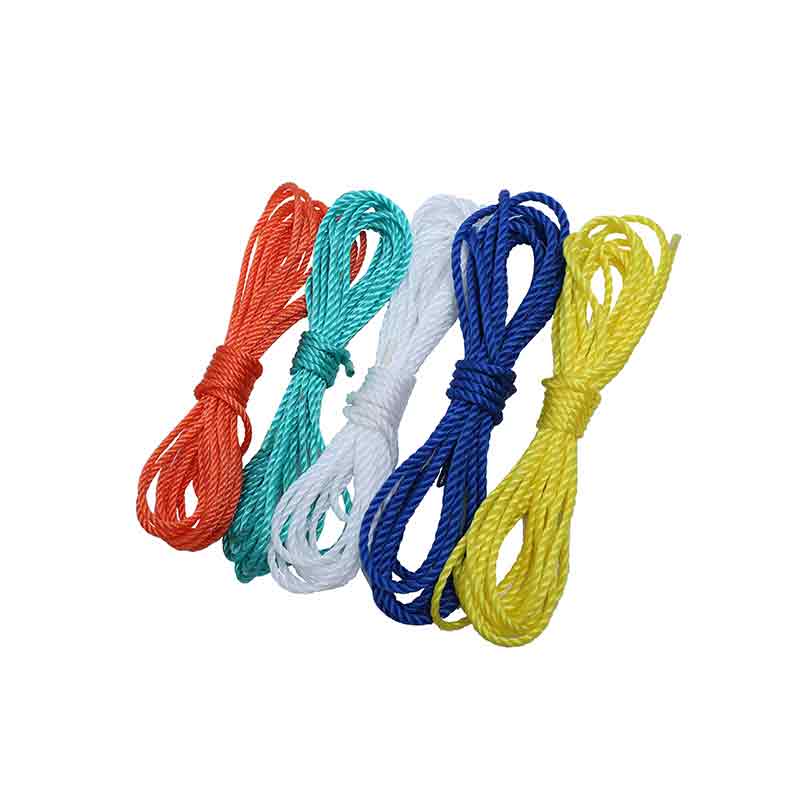
Proper usage and maintenance can significantly extend the service life of polyethylene rope.
Proper Storage and Handling
Store rope in a cool, dry place away from direct sunlight. Avoid sharp edges and rough surfaces that cause abrasion.
Cleaning and Maintenance
Rinse rope with clean water after use, especially after saltwater exposure. Avoid harsh chemicals that may degrade the fibers.
Correct Knotting Methods for Braided Rope
Braided rope is flexible and easy to knot. Use knots that distribute load evenly and avoid excessive bending that can damage fibers.
How to Extend the Service Life of HDPE/UHMWPE Rope
- Avoid overloading beyond recommended breaking load
- Use protective sleeves in high abrasion areas
- Rotate rope to reduce wear concentration
Conclusion
Choosing the right polyethylene rope manufacturer is crucial for product performance, safety, and long-term cost savings. By understanding the differences between HDPE rope, UHMWPE rope, braided rope, and twisted rope, and evaluating key specifications like tensile strength, UV resistance, and abrasion resistance, you can make a more informed decision. As a factory-direct manufacturer, we are committed to providing high-quality polyethylene rope solutions, OEM customization, and stable supply for marine, industrial, and commercial applications.
If you need a reliable polyethylene rope manufacturer for bulk orders, custom OEM production, or wholesale supply, feel free to contact us for a quote or sample.
FAQ
What is the difference between HDPE rope and UHMWPE rope?
HDPE rope is cost-effective and suitable for general use, while UHMWPE rope offers higher strength, lower stretch, and better abrasion resistance, making it ideal for heavy-duty marine and industrial applications.
Is polyethylene rope good for marine use?
Yes, polyethylene rope is widely used in marine environments due to its UV resistance, low water absorption, and strong chemical resistance.
How long does polyethylene rope last outdoors?
The lifespan depends on usage and environment. High-quality polyethylene rope with UV stabilizers can last several years outdoors, especially when properly maintained.
Can polyethylene rope be used for mooring and towing?
Yes, especially UHMWPE rope, which is designed for high strength and low stretch required in mooring and towing applications.
How to verify the quality of a polyethylene rope manufacturer?
Check their production certifications, testing reports, customer feedback, and whether they offer factory direct OEM/wholesale services. A reliable manufacturer will provide transparent quality documentation.