
Table of Contents
What Is Agricultural Insect Net and Why Is It Essential for Farming?
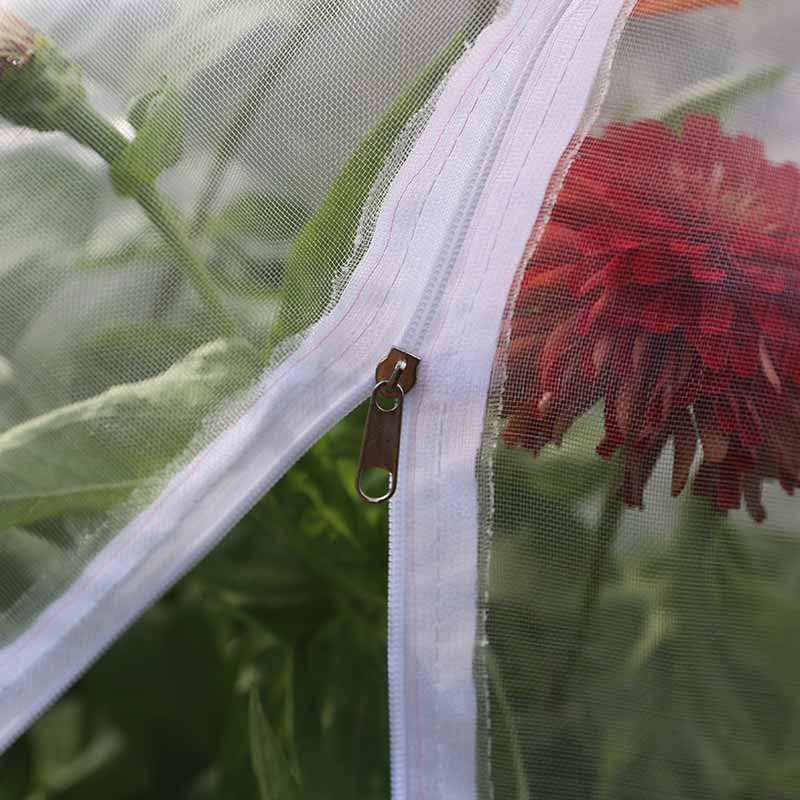
Agricultural insect net has emerged as a game-changing solution in modern farming, offering farmers a physical barrier against destructive pests while maintaining optimal growing conditions. As the agricultural industry shifts towards sustainable and eco-friendly practices, insect netting has become an indispensable tool for crop protection.
Definition of Agricultural Insect Net
An agricultural insect net is a specialized mesh fabric designed to cover crops, creating a protective barrier that prevents insects and other pests from reaching plants while allowing air, light, and water to pass through. These nets are typically made from durable synthetic materials and come in various mesh sizes to target specific pest types. Unlike traditional chemical pesticides, insect nets provide a non-toxic, environmentally friendly alternative that aligns with organic farming principles and modern sustainability goals.
Key Functions in Pest Control and Crop Protection
The primary function of agricultural insect net is physical pest exclusion, but its benefits extend far beyond basic protection. These nets effectively prevent a wide range of harmful insects including aphids, whiteflies, thrips, leaf miners, and fruit flies from accessing crops. By blocking these pests, nets reduce the transmission of plant diseases and minimize crop damage significantly.
Beyond pest control, agricultural insect nets create a microclimate that promotes healthier plant growth. They regulate temperature fluctuations, reduce wind damage, and maintain optimal humidity levels around crops. The UV-resistant properties of quality nets also protect plants from excessive sun exposure while allowing sufficient light penetration for photosynthesis.
Why Modern Agriculture Relies on Insect Netting
The shift towards agricultural insect netting reflects broader changes in farming practices and consumer demands. Modern agriculture faces increasing pressure to reduce chemical pesticide use while maintaining high crop yields and quality. Insect nets provide the perfect solution by offering effective pest control without the environmental and health concerns associated with chemical treatments.
The rising demand for organic produce has further accelerated the adoption of insect netting systems. Organic farmers particularly rely on these nets as they cannot use synthetic pesticides, making physical barriers essential for crop protection. Additionally, the increasing prevalence of pesticide-resistant insect populations has made traditional chemical control methods less effective, pushing farmers towards more sustainable alternatives like insect nets.
Agricultural Insect Net vs Traditional Pest Control Methods
When comparing agricultural insect net to traditional pest control methods, several distinct advantages become clear:
Environmental Impact: Unlike chemical pesticides that can harm beneficial insects, contaminate soil and water, and pose health risks to farmers and consumers, insect nets provide completely chemical-free pest control. They preserve biodiversity by allowing beneficial insects like bees and butterflies to access crops when needed.
Long-term Effectiveness: While pesticides require repeated applications and can become less effective as pests develop resistance, insect nets provide consistent, long-lasting protection throughout the growing season. This reliability makes them particularly valuable for high-value crops.
Cost Considerations: Although the initial investment in insect netting may be higher than chemical treatments, the long-term economic benefits are substantial. Reduced pesticide purchases, lower labor costs for application, and improved crop quality and yields often result in significant savings over time.
Regulatory Compliance: Increasing restrictions on pesticide use and growing consumer preference for pesticide-free produce make insect nets an attractive option for farmers seeking to meet regulatory requirements and market demands.
Types of Agricultural Insect Net Materials
The choice of material is crucial when selecting an agricultural insect net, as it directly affects the net’s durability, effectiveness, and suitability for specific growing conditions. Understanding the differences between available materials helps farmers and distributors make informed decisions that maximize their investment.
HDPE Agricultural Insect Net (Most Common Choice)
High-density polyethylene (HDPE) has become the industry standard for agricultural insect netting, and for good reason. HDPE nets offer an excellent balance of strength, durability, and affordability, making them the preferred choice for most farming applications. These nets are particularly valued for their resistance to environmental stressors including UV radiation, extreme temperatures, and moisture.
HDPE insect net features several key advantages that make it ideal for agricultural use:
- Superior UV Resistance: Quality HDPE nets incorporate UV stabilizers that prevent degradation from prolonged sun exposure, typically lasting 3-5 years even in harsh outdoor conditions
- Lightweight Construction: Despite their strength, HDPE nets remain lightweight and easy to handle, simplifying installation and maintenance
- Chemical Resistance: HDPE material resists degradation from fertilizers and other agricultural chemicals commonly used in farming operations
- Cost-Effectiveness: The material offers excellent performance at a competitive price point, making it accessible for farms of all sizes
The versatility of HDPE insect net makes it suitable for a wide range of applications, from greenhouse coverings to open-field crop protection. Its durability ensures consistent performance throughout multiple growing seasons, providing excellent return on investment for farmers and distributors alike.
Nylon Insect Netting vs Polyethylene Netting
While HDPE remains the dominant material, some applications may benefit from alternative materials like nylon or standard polyethylene. Understanding the differences helps in selecting the most appropriate option for specific needs.
Nylon Insect Netting:
- Advantages: Nylon offers superior tensile strength and tear resistance compared to polyethylene-based materials. It’s particularly useful in applications requiring extra durability or where physical stress is expected, such as high-wind areas or situations where the net may encounter frequent handling.
- Limitations: Nylon generally has lower UV resistance than treated HDPE and tends to be more expensive. It may also absorb more moisture, which could be a consideration in humid environments.
- Best Applications: Temporary installations, situations requiring exceptional strength, or specialized applications where nylon’s specific properties are advantageous.
Polyethylene Insect Netting:
- Advantages: Standard polyethylene offers good chemical resistance and flexibility at a lower cost point than HDPE. It’s lightweight and easy to work with, making it suitable for temporary or seasonal use.
- Limitations: Without UV treatment, standard polyethylene has limited outdoor durability. It may also have lower strength characteristics compared to HDPE or nylon options.
- Best Applications: Seasonal protection, temporary structures, or applications where cost is the primary consideration and long-term durability is less critical.
For most commercial agricultural applications, UV resistant HDPE insect net remains the optimal choice due to its balanced performance characteristics and proven track record in diverse farming environments.
UV-Resistant Insect Net Materials
UV resistance is perhaps the most critical factor for agricultural insect nets intended for outdoor use. Prolonged exposure to sunlight can rapidly degrade untreated materials, causing them to become brittle, tear easily, and lose their protective properties. Quality UV-resistant nets incorporate stabilizers that significantly extend their service life and maintain performance integrity.
The importance of UV resistance varies based on geographical location and climate intensity:
- High UV Exposure Areas: Regions with intense sunlight (Mediterranean climates, high-altitude farms, tropical areas) require premium UV-stabilized nets with extended lifespan ratings
- Moderate UV Zones: Areas with moderate sun exposure can use standard UV-treated nets with confidence in their durability
- Protected Environments: Greenhouse applications with partial shading may have slightly different UV resistance requirements
When evaluating UV resistant insect net options, look for manufacturers who provide clear specifications about UV stabilization methods and expected lifespan under various conditions. Quality manufacturers typically offer nets rated for 3-5 years of outdoor use, with premium options extending up to 7-8 years under optimal conditions.
Durability and Lifespan Comparison
The lifespan of agricultural insect net varies significantly based on material quality, construction, environmental conditions, and maintenance practices. Understanding these factors helps in budgeting and planning for replacement cycles:
Material Lifespan Ranges:
| Material Type | Expected Lifespan | Best Use Cases | Price Category |
|---|---|---|---|
| Premium UV-treated HDPE | 5-8 years | Commercial greenhouses, permanent structures, high-value crops | Premium |
| Standard UV-treated HDPE | 3-5 years | Open-field applications, seasonal crops, general farming | Mid-range |
| Nylon | 4-6 years (UV-treated) | High-stress applications, temporary installations | Mid to High |
| Standard Polyethylene | 1-2 years | Seasonal use, temporary protection, budget-conscious projects | Economy |
Several factors influence actual net lifespan beyond material choice:
- Installation Quality: Proper tensioning and secure attachment prevent premature wear from flapping or stress concentration
- Environmental Conditions: Areas with extreme weather events, high wind loads, or intense UV exposure may experience shorter lifespans
- Maintenance Practices: Regular cleaning and timely repair of small damage extends overall service life
- Storage Conditions: When not in use, proper storage away from direct sunlight and moisture preserves material integrity
Investing in higher-quality, longer-lasting nets often proves more economical in the long run due to reduced replacement frequency and consistent protection performance.
Which Material Is Best for Different Climates
Climate considerations play a crucial role in selecting the appropriate agricultural insect net material. Different environmental conditions require specific material characteristics to ensure optimal performance and longevity.
Hot, Sunny Climates:
- Prioritize premium UV-resistant HDPE insect net with extended lifespan ratings
- Look for nets with special coatings that reflect excess heat and maintain optimal growing temperatures
- Consider lighter mesh sizes that provide better airflow while maintaining adequate protection
Humid, Tropical Regions:
- Choose materials with excellent moisture resistance and antimicrobial properties
- Ensure nets have adequate ventilation capacity to prevent fungal growth
- UV resistance remains critical due to intense tropical sunlight
Temperate Climates:
- Standard UV-treated HDPE nets typically perform well across seasonal variations
- Consider nets with some thermal insulation properties for early-season protection
- Balance mesh size to provide adequate protection while allowing sufficient light penetration
Cold or High-Altitude Regions:
- Select materials that remain flexible in cold temperatures without cracking
- Consider nets with slightly tighter mesh to protect against cold-weather pests
- Ensure UV resistance is adequate, as high-altitude UV exposure can be intense
The key is matching material properties to specific environmental challenges while considering the types of pests present, crops being grown, and expected weather patterns in your region.
Agricultural Insect Net Mesh Size Guide
Selecting the appropriate mesh size is critical for achieving effective pest control while maintaining optimal growing conditions for your crops. The mesh size determines which insects can penetrate the net, directly impacting the level of protection provided.
What Is Mesh Size and Why It Matters
Mesh size refers to the number of openings per linear inch in the netting material. A higher mesh number indicates smaller openings and finer filtration, while a lower mesh number means larger openings and coarser filtration. This specification is crucial because it determines the minimum size of insects that can pass through the net.
The importance of selecting the correct mesh size cannot be overstated. Too large a mesh size will allow target pests to reach your crops, defeating the purpose of the netting. Conversely, too small a mesh size may restrict airflow, reduce light transmission, and potentially create excessive heat buildup that can harm plant growth. Finding the optimal balance is essential for maximizing both protection and crop quality.
Common Mesh Sizes (20 mesh, 40 mesh, 50 mesh, etc.)
Agricultural insect net mesh sizes typically range from very fine meshes (80-100 mesh) for tiny insects to coarser meshes (20-30 mesh) for larger pests. Each mesh size serves specific purposes and is suited for particular crops and pest challenges:
20-30 Mesh:
- Targets: Larger insects such as beetles, grasshoppers, and larger moth species
- Applications: Fruit trees, row crops where larger pests are the primary concern
- Benefits: Excellent airflow and light transmission, minimal impact on growing conditions
- Limitations: Does not protect against small insects like aphids or thrips
40-50 Mesh:
- Targets: Mid-sized insects including many fly species, some beetle varieties
- Applications: Vegetable crops, berries, and general-purpose protection
- Benefits: Good balance of protection and environmental control
- Versatility: Most commonly used mesh size for diverse agricultural applications
60-80 Mesh:
- Targets: Small insects including aphids, whiteflies, thrips, and leaf miners
- Applications: High-value crops, greenhouse applications, organic farming
- Benefits: Comprehensive protection against most problematic agricultural pests
- Considerations: Slight reduction in airflow and light penetration
80-100+ Mesh:
- Targets: Very small insects including aphids, thrips, and microscopic pests
- Applications: Specialized applications, virus prevention, seedling protection
- Benefits: Maximum protection level against the smallest pests
- Considerations: Significant impact on airflow; requires careful environmental management
How to Choose Mesh Size Based on Pests (Aphids, Whiteflies, Thrips)
Different pests require different mesh sizes for effective exclusion. Understanding the size of your target pests helps select the most appropriate insect net mesh size:
Aphid Control:
- Size: Aphids are typically 1-2mm in length
- Recommended Mesh: 70-80 mesh or finer for reliable aphid exclusion
- Considerations: Aphids are extremely prolific, so complete exclusion is crucial
- Anti Aphid Netting Special Features: Some specialized nets incorporate slight electrostatic properties to enhance aphid repellence
Whitefly Management:
- Size: Adult whiteflies measure approximately 1.5-2mm
- Recommended Mesh: 60-70 mesh for effective whitefly control
- Behavioral Consideration: Whiteflies are weak fliers that tend to hover near plants, so proper sealing is essential
- Color Options: Some specialized whitefly control nets use yellow-tinted material to enhance effectiveness
Thrips Prevention:
- Size: Thrips are tiny, typically 0.5-1.5mm
- Recommended Mesh: 80-100+ mesh for reliable thrips exclusion
- Challenge: Thrips’ small size makes them particularly difficult to exclude
- Integrated Approach: Often requires combination with other control methods for complete thrips management
Multi-Pest Applications:
For most general agricultural applications, a 50-60 mesh pest control netting provides effective protection against the most common and damaging pests while maintaining adequate airflow and light transmission. This mesh size offers an excellent balance for vegetables, berries, and many fruit crops.
Balancing Airflow, Light Transmission, and Protection
Achieving the optimal balance between pest exclusion, airflow, and light transmission is essential for maintaining healthy crop growth. Each factor significantly impacts plant development and overall crop quality.
Airflow Considerations:
- Adequate airflow prevents humidity buildup, reduces fungal disease risk, and ensures proper gas exchange around plants
- Finer mesh sizes restrict airflow more significantly, potentially requiring additional ventilation systems
- The net’s weave construction also affects airflow; some specialized designs maximize air movement while maintaining pest exclusion
Light Transmission:
- Most agricultural insect nets allow 70-90% of natural light to pass through
- Light transmission decreases as mesh size increases due to greater material density
- Some specialized nets incorporate light-diffusing properties that distribute light more evenly to plants
Temperature Regulation:
- Proper airflow helps prevent excessive heat buildup, especially in greenhouse applications
- Nets with slightly larger mesh sizes may be preferable in hot climates where cooling is critical
- Some specialized nets include reflective properties to reduce heat absorption
Rain and Irrigation:
- Most nets allow water to pass through easily, with minimal impact on irrigation efficiency
- Very fine meshes may slightly reduce water penetration during light rainfall
- Proper installation ensures effective water drainage
When selecting mesh size, consider your specific crop’s environmental requirements alongside the pest challenges you face. Consulting with agricultural experts or netting manufacturers can help identify the optimal balance for your particular situation.
Recommended Mesh Sizes for Vegetables and Fruits
Different crops have specific mesh size requirements based on their pest vulnerability and environmental needs. Here are tailored recommendations for common agricultural crops:
Vegetable Crops:
| Crop Type | Primary Pests | Recommended Mesh Size | Additional Considerations |
|---|---|---|---|
| Leafy Greens (Lettuce, Spinach) | Aphids, Leaf Miners | 70-80 mesh | Focus on aphid prevention |
| Cruciferous (Cabbage, Broccoli) | Cabbage Looper, Aphids | 60-70 mesh | Balance airflow with protection |
| Solanaceous (Tomatoes, Peppers) | Whiteflies, Thrips | 50-60 mesh | Ensure adequate ventilation |
| Cucurbits (Cucumber, Squash) | Cucumber Beetles, Aphids | 50-60 mesh | Consider pollination access |
| Root Vegetables (Carrots, Onions) | Root Maggots, Flies | 40-50 mesh | Focus on flying adult insects |
Fruit Crops:
| Crop Type | Primary Pests | Recommended Mesh Size | Additional Considerations |
|---|---|---|---|
| Strawberries | Thrips, Spider Mites | 60-80 mesh | Critical during flowering |
| Berries (Blueberries, Raspberries) | Fruit Flies, Spotted Wing Drosophila | 50-60 mesh | Ensure adequate airflow |
| Stone Fruits (Peaches, Cherries) | Oriental Fruit Moth, Plum Curculio | 40-50 mesh | Consider pollination timing |
| Pome Fruits (Apples, Pears) | Codling Moth, Apple Maggot | 40-50 mesh | May need larger mesh for pollinators |
| Grapes | Grape Berry Moth, Leafhoppers | 30-40 mesh | Balance protection with airflow |
For specialized applications or when dealing with particularly challenging pest pressures, custom insect net solutions with specific mesh configurations may be necessary. Working directly with manufacturers allows farmers to develop tailored solutions that address their unique pest control challenges while optimizing crop growing conditions.
Standard Sizes and Custom Agricultural Insect Net Options
Agricultural insect nets are available in a wide range of standard sizes and can be custom-manufactured to meet specific farm requirements. Understanding the available options helps farmers and distributors select the most appropriate sizing for their applications.
Common Roll Sizes and Dimensions
Standard insect net roll sizes have evolved to meet the needs of typical agricultural operations. These standard dimensions provide efficient coverage while minimizing installation complexity:
Common Roll Widths:
- 1.0m – 2.0m: Suitable for small-scale operations, garden beds, and row-by-row applications
- 3.0m – 4.0m: Ideal for medium-sized farms, greenhouse bay covers, and standard field applications
- 5.0m – 6.0m: Popular for larger operations, tunnel houses, and wide-field coverage
- 8.0m – 12.0m: Used for large-scale commercial farms, expansive greenhouse structures, and orchard applications
Typical Roll Lengths:
- 50m – 100m: Standard lengths for most commercial applications
- 200m – 500m: Available for larger operations requiring extended coverage
- Custom lengths: Many manufacturers offer variable length options to minimize waste
Standard Insect Net Roll Specifications:
- Most rolls are wound on sturdy cardboard or plastic cores for easy unrolling
- Standard packaging includes protective outer wrapping to prevent damage during shipping
- Roll weight varies significantly based on material, mesh size, and dimensions
These standard dimensions accommodate the majority of farming applications, but unique situations may require custom sizing solutions for optimal efficiency and coverage.
Custom Width and Length for Large-Scale Farms
Large-scale agricultural operations often have unique requirements that standard insect net sizes cannot accommodate efficiently. Custom manufacturing provides tailored solutions that optimize material usage, reduce installation labor, and ensure precise coverage for specialized structures.
Custom Width Benefits:
- Reduced Seaming: Custom widths eliminate the need to join multiple standard-width rolls, reducing potential failure points
- Installation Efficiency: Larger custom pieces can be installed more quickly, reducing labor costs
- Material Optimization: Precise dimensions minimize material waste and overall cost
- Structural Integration: Custom widths can be designed to match specific greenhouse or support structure dimensions
Large-Scale Applications:
- Commercial Greenhouses: Multi-span greenhouses often require netting in specific bay dimensions
- Orchard Coverage: Large fruit orchards may benefit from extra-wide nets covering multiple rows
- High Tunnel Structures: Custom widths ensure proper fit and optimal tensioning
- Specialized Structures: Research facilities, seedling nurseries, and other specialized operations often have unique dimensional requirements
Ordering Considerations:
- Provide precise measurements including allowances for attachment and tensioning
- Consider access points, ventilation requirements, and structural support systems
- Plan for seasonal removal and reinstallation if nets are not permanent
- Account for potential expansion or reconfiguration of growing areas
Working directly with manufacturers on custom insect net projects ensures that the final product meets exact specifications and performance requirements.
Greenhouse Insect Net vs Open Field Netting Sizes
The sizing requirements differ significantly between greenhouse and open-field applications due to different structural and environmental considerations.
Greenhouse Insect Net Sizing:
- Structure-Matched Dimensions: Greenhouse nets are typically cut to match specific bay or section dimensions
- Integration Points: Must account for vents, doors, and other access points in the greenhouse structure
- Tensioning Systems: Greenhouse applications often incorporate sophisticated tensioning systems that require precise dimensional specifications
- Multi-Layer Systems: Some greenhouse applications use multiple net layers with different mesh sizes, requiring careful coordination of dimensions
Open Field Netting Sizing:
- Row Coverage: Field nets often span multiple crop rows, requiring widths that account for crop height and support structure height
- Wind Load Considerations: Field installations must withstand wind exposure, potentially requiring different tensioning and attachment approaches
- Seasonal Installation: Field nets are often installed and removed seasonally, influencing sizing and fastening decisions
- Overlapping Requirements: Field installations may require overlapping sections for complete coverage
- Edge Treatment: Field applications need appropriate edge treatment for ground sealing or attachment to support structures
Hybrid Applications:
Some operations use insect netting in both greenhouse and field settings, requiring careful planning to standardize specifications where possible while accommodating different installation requirements in each environment.
OEM and Custom Insect Net Manufacturing
Original Equipment Manufacturer (OEM) and custom manufacturing services provide tailored solutions for distributors, equipment manufacturers, and large-scale agricultural operations with specific requirements.
OEM Services:
- Private Label Manufacturing: Manufacturers can produce nets with distributor branding and specifications
- Custom Specifications: OEM partners can develop nets with specific material compositions, mesh sizes, or performance characteristics
- Packaging Customization: Custom packaging solutions including branding, dimensions, and presentation options
- Volume Production: OEM manufacturing accommodates high-volume production with consistent quality standards
Custom Manufacturing Capabilities:
- Material Formulation: Custom polymer blends for specific environmental conditions or performance requirements
- Mesh Configuration: Custom mesh sizes and weave patterns for specialized applications
- Functional Additives: UV stabilizers, antimicrobial treatments, or other functional enhancements
- Color Options: Standard colors include white, black, and green, with custom colors available for specific applications
- Integration Features: Custom attachment systems, reinforced edges, or specialized construction features
Development Process:
- Requirement Analysis: Detailed discussion of application requirements and performance specifications
- Prototype Development: Creation of samples for testing and validation
- Production Planning: Development of manufacturing specifications and quality control protocols
- Quality Validation: Testing and certification of final products
- Production: Manufacturing to agreed specifications with consistent quality control
Advantages of Custom Manufacturing:
- Products precisely matched to application requirements
- Competitive advantage through differentiated products
- Optimized material usage and cost efficiency
- Technical support and expertise throughout development
For distributors and large-scale operations, custom insect net manufacturing provides the opportunity to develop products that exactly meet their needs and market requirements.
Key Features to Look for When Buying Agricultural Insect Net
When selecting an agricultural insect net manufacturer and evaluating product options, several key features distinguish high-quality products from inferior alternatives. Understanding these features helps ensure you select netting that will provide reliable, long-lasting protection for your crops.
UV Resistance and Anti-Aging Performance
UV resistance represents one of the most critical factors affecting insect net longevity and performance. Quality nets incorporate advanced UV stabilizers that prevent material degradation from prolonged sun exposure, ensuring consistent protection throughout multiple growing seasons.
UV Protection Technologies:
- UV Stabilizers: Chemical additives that absorb harmful UV radiation and prevent polymer breakdown
- Carbon Black Additives: Provide natural UV protection while reducing heat transmission
- Specialized Coatings: Some premium nets feature surface treatments that enhance UV resistance
- Multi-Layer Protection: Advanced nets may incorporate UV-absorbing layers within the material structure
Anti-Aging Performance:
- Material Integrity: Quality nets maintain their strength and flexibility throughout their rated lifespan
- Color Retention: Premium nets resist fading and discoloration from sun exposure
- Consistent Mesh Size: Anti-aging treatments ensure mesh openings maintain their dimensions over time
- Temperature Tolerance: Quality materials perform consistently across temperature extremes
Evaluating UV Claims:
When assessing UV resistance claims, look for specific lifespan ratings (e.g., “5-year UV protection” rather than vague “UV resistant” claims). Quality manufacturers provide detailed specifications about UV protection methods and expected performance under various environmental conditions.
Strength, Tear Resistance, and Durability
The physical strength characteristics of agricultural insect net directly affect its ability to withstand installation stresses, environmental loads, and incidental damage throughout its service life.
Strength Metrics:
- Tensile Strength: Measures the force required to break the material when pulled from opposite directions
- Tear Strength: Indicates resistance to tearing once a small tear has started
- Burst Strength: Reflects resistance to puncture and rupture
- Knot Strength: For woven nets, indicates strength at junction points
Durability Factors:
- Construction Quality: Monofilament vs. multifilament construction, weaving density, and knot integrity
- Material Thickness: Thicker materials generally provide greater strength but may affect flexibility and weight
- Edge Reinforcement: Reinforced edges prevent unraveling and provide secure attachment points
- Seam Integrity: For joined sections, seam construction determines overall strength
Environmental Durability:
- Wind Resistance: Ability to withstand wind loads without excessive deformation or damage
- Temperature Performance: Maintains flexibility and strength across temperature extremes
- Chemical Resistance: Resistance to degradation from fertilizers, pesticides, and other agricultural chemicals
- Moisture Resistance: Prevents degradation from humidity, rain, and irrigation
Testing Standards:
Quality manufacturers provide testing data based on recognized industry standards, allowing objective comparison of strength characteristics across different products and manufacturers.
Light Transmission and Ventilation
Optimal crop growth requires careful management of light levels and airflow. Quality agricultural insect nets balance pest exclusion with these critical environmental factors.
Light Transmission Characteristics:
- Transmission Percentage: Most agricultural nets allow 70-90% of natural light transmission
- Light Diffusion: Some nets distribute light more evenly, reducing hot spots and shadowing
- Spectral Properties: Advanced nets may filter specific light wavelengths for specialized applications
- Consistency: Uniform light transmission across the entire net surface
Ventilation Performance:
- Airflow Rate: Measured in cubic feet per minute (CFM) or similar metrics
- Pressure Drop: Resistance to airflow at specified wind speeds
- Moisture Management: Allows moisture vapor transmission to prevent humidity buildup
- Temperature Regulation: Proper airflow prevents excessive heat accumulation
Crop-Specific Requirements:
Different crops have varying light and ventilation requirements:
- High-Light Crops: Tomatoes, peppers, and most fruiting crops require high light transmission
- Leafy Greens: Can tolerate slightly reduced light levels but benefit from good airflow
- Heat-Sensitive Crops: Require excellent ventilation to prevent heat stress
- Tropical Crops: Often require both high light transmission and excellent airflow
When selecting nets, consider the specific environmental requirements of your crops alongside the need for pest protection. Quality manufacturers provide detailed specifications on light transmission and ventilation performance to support informed decision-making.
Eco-Friendly and Non-Toxic Properties
Modern agriculture increasingly prioritizes environmental sustainability and food safety. Quality agricultural insect nets contribute to these goals through their inherent eco-friendly characteristics and non-toxic properties.
Environmental Benefits:
- Chemical-Free Pest Control: Eliminates or significantly reduces reliance on chemical pesticides
- Reduced Environmental Contamination: No chemical runoff into soil or water systems
- Beneficial Insect Protection: Allows bees and other beneficial insects to access crops when needed
- Reduced Carbon Footprint: Compared to repeated pesticide applications and associated energy use
Material Safety:
- Non-Toxic Materials: Quality nets use food-grade or agricultural-grade materials that don’t leach harmful substances
- Recyclability: Many HDPE and polyethylene nets can be recycled at end-of-life
- Biodegradable Options: Some manufacturers offer partially biodegradable material options
- Chemical Stability: Materials don’t break down into harmful substances over time
Organic Farming Certification:
- Compliance: Quality nets meet organic farming standards for pest control methods
- Documentation: Manufacturers provide certification documentation for organic certification requirements
- Third-Party Verification: Independent testing verifies material safety and environmental claims
Sustainability Considerations:
- Durability: Longer-lasting nets reduce replacement frequency and overall material consumption
- Material Efficiency: Modern manufacturing techniques minimize material waste
- Energy Efficiency: Production methods increasingly emphasize reduced energy consumption
- End-of-Life Options: Recycling programs and material recovery options
Selecting insect nets with strong environmental credentials supports sustainable farming practices while often aligning with consumer preferences and regulatory requirements.
Anti-Insect Efficiency and Coverage
The ultimate measure of agricultural insect net quality is its effectiveness in excluding target pests while providing comprehensive crop coverage. Several features contribute to optimal anti-insect performance.
Exclusion Efficiency:
- Mesh Consistency: Uniform mesh size without irregularities or gaps
- Construction Quality: Secure weave construction that prevents pest penetration
- Edge Integrity: Properly finished edges that prevent pests from entering through gaps
- Seam Security: Strong, secure seams for multi-piece installations
Complete Coverage Requirements:
- Proper Sizing: Net dimensions must account for attachment and tensioning requirements
- Installation Guidance: Clear instructions for ensuring complete perimeter sealing
- Access Point Design: Doors, vents, and other access points must be properly secured
- Ground Contact: Proper sealing where netting contacts the ground or other surfaces
Multi-Pest Protection:
- Broad-Spectrum Protection: Effectiveness against multiple pest types simultaneously
- Life Stage Coverage: Protection against adults, larvae, and eggs where applicable
- Species-Specific Options: Specialized nets for particularly challenging pests
- Integrated Pest Management: Compatibility with other pest control methods
Quality Assurance:
- Testing Protocols: Manufacturer testing for exclusion efficiency against specific pests
- Performance Guarantees: Warranties or guarantees of pest exclusion performance
- Field Validation: Real-world testing data supporting exclusion claims
- Customer References: Successful installations in similar applications
When evaluating anti-insect efficiency, look for specific performance data rather than general marketing claims. Quality manufacturers provide detailed information about exclusion efficiency against specific pest types under various conditions.
Agricultural Insect Net Applications in Different Crops
Agricultural insect nets provide versatile protection across a wide range of crops and growing systems. Understanding specific application requirements helps optimize protection strategies for different agricultural contexts.
Insect Net for Vegetables (Tomatoes, Cabbage, Lettuce)
Vegetable crops represent some of the most common applications for agricultural insect netting, given their high pest vulnerability and market value requirements.
Tomato Production:
- Primary Pests: Whiteflies, tomato hornworms, aphids, and tomato fruitworms
- Recommended Mesh: 50-60 mesh provides excellent protection while allowing adequate ventilation
- Application Timing: Install early in the growing season for maximum protection
- Special Considerations: Tomatoes require good airflow to prevent fungal diseases; consider ventilation openings if conditions are humid
- Support Structures: Greenhouse applications often use dedicated support systems for net installation
Cabbage Family (Broccoli, Cauliflower, Brussels Sprouts) :
- Primary Pests: Cabbage loopers, imported cabbageworms, aphids, and flea beetles
- Recommended Mesh: 60-70 mesh for comprehensive protection against these damaging pests
- Application Benefits: Nets eliminate the need for frequent pesticide applications on these highly susceptible crops
- Harvest Considerations: Design access points to facilitate harvest while maintaining protection
- Seasonal Use: Fall plantings particularly benefit from net protection when pest populations are high
Leafy Greens (Lettuce, Spinach, Kale) :
- Primary Pests: Aphids, leaf miners, and flea beetles
- Recommended Mesh: 70-80 mesh for protection against small pests like aphids
- Quality Benefits: Nets prevent cosmetic damage that reduces marketability
- Food Safety: Reduces contamination risks from pests and pesticide residues
- Multiple Harvests: Nets can remain in place for successive harvests of cut-and-come-again crops
Additional Vegetables:
- Peppers: Similar requirements to tomatoes, benefiting from 50-60 mesh protection
- Cucurbits (Cucumber, Squash) : 50-60 mesh provides protection while allowing pollinator access when needed
- Root Vegetables: 40-50 mesh focuses on flying adult insects that lay eggs in soil
- Beans and Peas: 50-60 mesh provides adequate protection against common pests
For vegetable production, insect nets particularly shine in organic systems where pesticide options are limited, and in conventional systems seeking to reduce chemical inputs and meet market demands for reduced pesticide residues.
Insect Net for Fruit Trees and Orchards
Orchard applications present unique challenges and opportunities for insect netting, with different requirements compared to vegetable crops.
Stone Fruits (Peaches, Cherries, Plums) :
- Primary Pests: Oriental fruit moth, plum curculio, and peach twig borer
- Recommended Mesh: 40-50 mesh balances protection with necessary pollination access
- Application Methods: Individual tree covers or row-based netting systems
- Timing Considerations: Install after flowering to ensure pollination, remove before harvest if necessary
- Support Systems: Requires sturdy support structures to withstand orchard conditions
Pome Fruits (Apples, Pears) :
- Primary Pests: Codling moth, apple maggot, and various leaf-eating insects
- Recommended Mesh: 40-50 mesh for primary pest exclusion
- Benefits: Dramatically reduces codling moth damage without extensive pesticide programs
- Integration: Compatible with existing orchard management systems and harvest practices
- Economic Benefits: Reduced spray costs and improved fruit quality often justify netting investment
Berry Crops (Strawberries, Raspberries, Blueberries) :
- Primary Pests: Spotted wing drosophila, raspberry fruitworm, and various aphid species
- Recommended Mesh: 50-60 mesh provides comprehensive protection
- High Tunnel Applications: Berry netting often works well in high tunnel or greenhouse structures
- Harvest Integration: Design access systems to facilitate frequent harvests
- Quality Impact: Nets prevent fruit damage and reduce mold incidence
Citrus and Subtropical Fruits:
- Primary Pests: Citrus leafminer, various fruit flies, and aphids
- Recommended Mesh: 50-70 mesh depending on target pest species
- Climate Considerations: Hot climates require nets with excellent heat transmission properties
- Year-Round Protection: Perennial crops may benefit from permanent or semi-permanent netting systems
- Scale Applications: Large commercial orchards often use extensive netting systems
Orchard-Specific Considerations:
- Wind Exposure: Orchard nets must withstand significant wind loads
- Snow Load: In colder regions, nets must accommodate snow accumulation
- Tree Access: Design systems that allow necessary orchard maintenance operations
- Long-Term Planning: Consider tree growth and future orchard development
Orchard insect netting often represents a significant investment but provides substantial returns through reduced pest management costs and improved fruit quality and marketability.
Insect Net for Greenhouse Applications
Greenhouse environments present unique opportunities for insect net integration, providing complete physical isolation and precise environmental control.
Integrated Greenhouse Systems:
- Ventilation Integration: Netting incorporated into ventilation systems for continuous pest exclusion
- Multi-Zone Protection: Different net types for different greenhouse zones or crops
- Environmental Control: Nets work with heating, cooling, and humidity management systems
- Year-Round Protection: Permanent systems provide continuous pest exclusion
Greenhouse-Specific Benefits:
- Complete Isolation: Prevents pest entry from external sources
- Reduced Chemical Use: Enables pesticide-free production or dramatically reduced applications
- Biocontrol Compatibility: Creates ideal environments for beneficial insect programs
- Quality Enhancement: Produces cleaner, higher-quality crops with fewer cosmetic blemishes
Installation Considerations:
- Structural Integration: Netting attached directly to greenhouse structure
- Tensioning Systems: Proper tensioning prevents sagging and ensures complete protection
- Access Design: Doors, vents, and worker access points must be netted or properly sealed
- Maintenance Access: Design systems that allow necessary maintenance without compromising protection
Crop-Specific Greenhouse Applications:
- Tomatoes: Greenhouse tomato production particularly benefits from insect netting
- Cucumbers: Vertical growing systems integrate well with netting protection
- Peppers: High-value greenhouse pepper crops achieve excellent results with netting
- Cut Flowers: Prevents insect damage that reduces flower quality and marketability
- Seedling Production: Netted propagation areas prevent early-stage pest infestations
Climate Considerations:
- Heat Management: Ensure adequate ventilation in warm climates
- Humidity Control: Nets must work with humidity management systems
- Light Transmission: Select nets with appropriate light transmission for specific crops
- Air Circulation: Proper airflow prevents microclimate problems
Greenhouse insect netting represents the ultimate in pest exclusion, providing complete physical barriers when properly integrated into greenhouse design and management practices.
Use in Organic Farming Systems
Organic farming systems rely heavily on physical pest control methods, making insect netting an essential component of organic production strategies.
Organic Certification Compliance:
- Approved Method: Insect netting is explicitly allowed under organic certification standards
- Documentation: Proper documentation supports organic certification inspections and audits
- Input Substitution: Nets replace prohibited synthetic pesticide inputs
- System Integration: Integrates with other organic pest management practices
Organic System Benefits:
- Pesticide-Free Production: Enables true pesticide-free crop production
- Market Premiums: Organic produce often commands price premiums that justify netting investment
- Consumer Confidence: Physical barriers provide tangible evidence of organic practices
- Ecological Benefits: Supports biodiversity and soil health by avoiding chemical inputs
Organic Crop Applications:
- High-Value Vegetables: Organic tomatoes, peppers, and lettuce achieve excellent results
- Leafy Greens: Prevents aphid and leaf miner damage without pesticide interventions
- Herb Production: Protects valuable herb crops from pest contamination
- Seed Production: Maintains genetic purity in organic seed production
Integrated Pest Management (IPM) :
- Foundation Strategy: Netting serves as the foundation of organic IPM programs
- Beneficial Insect Enhancement: Allows targeted introduction and maintenance of beneficial insects
- Threshold-Based Management: Reduces pest pressure below economic thresholds
- Systematic Approach: Part of comprehensive organic pest management strategy
Economic Considerations:
- Premium Pricing: Organic produce often commands higher prices that offset netting costs
- Input Savings: Eliminates pesticide purchase and application costs
- Yield Protection: Prevents crop losses that would be more devastating in organic systems
- Certification Maintenance: Supports organic certification integrity and compliance
For organic producers, insect netting is not just optional equipment but often essential technology for successful organic production.
Nursery and Seedling Protection
Nursery operations and seedling production represent particularly sensitive applications where early protection can prevent problems throughout the entire crop cycle.
Seedling Propagation:
- Critical Window: Early protection prevents establishment of pest populations
- Vulnerable Stage: Seedlings are particularly susceptible to pest damage
- Virus Prevention: Prevents insect-transmitted viruses that affect entire crop cycle
- Quality Assurance: Produces cleaner, healthier seedlings for field transplanting
Nursery-Specific Applications:
- Propagation Beds: Netted propagation areas protect young plants and cuttings
- Container Production: Individual or group container protection
- Grafting Operations: Protects valuable grafting operations from pest infestation
- Mother Stock: Maintains clean mother stock for propagation material
Design Considerations:
- Access Systems: Frequent access for watering, fertilization, and handling
- Environmental Control: Temperature and humidity management critical for seedling success
- Scalability: Systems should accommodate varying production volumes
- Durability: Frequent handling requires especially durable materials and construction
Integration with Production Practices:
- Hardening Off: Gradual acclimation systems incorporating netting protection
- Transplant Preparation: Maintains plant health until field planting
- Quality Grading: Prevents pest damage that would affect plant grading
- Disease Prevention: Reduces disease transmission through insect vectors
Investing in proper seedling protection through insect netting pays dividends throughout the entire crop production cycle by preventing early-stage problems that would compound over time.
How to Install and Use Agricultural Insect Net Effectively

Proper installation and use are essential for maximizing the effectiveness and longevity of agricultural insect netting. Following best practices ensures optimal pest protection while maintaining material integrity and performance.
Installation Methods for Greenhouse Structures
Greenhouse installations provide the most complete pest exclusion when properly executed, requiring careful attention to detail at every stage of the installation process.
Pre-Installation Planning:
- Structure Assessment: Evaluate greenhouse structure for net attachment points and support capacity
- Measurement Precision: Accurate measurements ensure proper fit and minimize waste
- Access Planning: Design doors, vents, and maintenance access while maintaining protection
- Environmental Integration: Consider heating, cooling, and ventilation system integration
Attachment Systems:
- Clamping Systems: Specialized clamps secure netting to greenhouse structural components
- Channel Systems: Rigid channels provide secure attachment and easy installation
- Tensioning Mechanisms: Proper tensioning prevents sagging and ensures complete protection
- Weatherproofing: Seal attachment points to prevent pest entry through gaps
Ventilation Integration:
- Automatic Ventilation: Netting integrated with automated ventilation systems
- Manual Vents: Secure manual vent openings while maintaining accessibility
- Screened Openings: Fine mesh screens on ventilation openings provide additional protection
- Airflow Management: Ensure adequate airflow for temperature and humidity control
Sealing Critical Areas:
- Door Systems: Specialized door systems prevent pest entry while allowing access
- Utility Penetrations: Seal areas where pipes, wires, or other utilities pass through netting
- Foundation Gaps: Ensure complete sealing at ground level and foundation interfaces
- Repair Systems: Establish protocols for immediate repair of any damage
Quality Control:
- Final Inspection: Thorough inspection for gaps, tears, or improper sealing
- Pest Testing: Initial testing to verify complete exclusion of target pests
- Monitoring Systems: Establish monitoring to detect any breach or pest entry
- Documentation: Document installation for maintenance and future reference
Greenhouse installations represent the most complex but also most effective insect net applications when executed properly.
Covering Crops in Open Fields
Open field installations present unique challenges due to environmental exposure and the need to accommodate field operations and crop growth.
Support Structure Design:
- Hoops and Arches: Support structures that create tunnels over crop rows
- Post and Wire Systems: Permanent or temporary posts supporting wire or cable systems
- Floating Systems: Netting directly over crops with minimal support structure
- Combination Approaches: Systems combining multiple support methods for different conditions
Row-Based Installation:
- Width Planning: Calculate required width based on crop height and support structure
- Row Length: Install netting in manageable sections for easier handling
- Access Design: Create access points for maintenance and harvest while maintaining protection
- End Sealing: Securely seal row ends to prevent pest entry
Field-Specific Considerations:
- Wind Protection: Design systems to withstand expected wind loads
- Drainage: Ensure adequate water drainage and prevent water accumulation on netting
- Field Equipment: Design access to accommodate field equipment and operations
- Seasonal Removal: Plan for seasonal removal and reinstallation if applicable
Edge Treatment:
- Ground Sealing: Bury or weigh down edges to prevent pest entry from below
- Side Sealing: Secure sides to support structures or ground to prevent gaps
- Corner Reinforcement: Reinforce corners and stress points to prevent tearing
- Overlap Systems: Proper overlap where multiple net sections join
Crop Management Integration:
- Growth Accommodation: Design systems that accommodate crop growth throughout season
- Pruning Access: Ensure access for pruning and other maintenance operations
- Harvest Planning: Design harvest access while maintaining protection as long as possible
- Rotation Considerations: Consider crop rotation requirements in system design
Open field installations require careful planning but provide excellent protection when properly designed and installed.
Fixing and Securing Insect Net Properly
Proper securing and fixing of insect netting is critical for maintaining effective pest exclusion and preventing damage from environmental stress.
Attachment Methods:
- Clips and Clamps: Specialized fasteners designed for netting attachment
- Ties and Straps: UV-resistant ties and straps for securing netting to supports
- Staples and Screws: Appropriate fasteners for specific substrates and applications
- Adhesive Systems: Specialized adhesives for specific attachment requirements
Tensioning Techniques:
- Proper Tension: Appropriate tension prevents sagging while avoiding excessive stress
- Gradual Tightening: Tension gradually and evenly across the entire net surface
- Adjustment Systems: Include adjustment capability for seasonal changes and settling
- Stress Distribution: Distribute attachment points to prevent concentrated stress
Environmental Protection:
- Wind Exposure: Design for expected wind conditions in your location
- Snow Load: Account for potential snow accumulation in cold climates
- UV Protection: Use UV-resistant fasteners and attachment components
- Chemical Resistance: Select fasteners resistant to agricultural chemicals if relevant
Sealing Gaps and Openings:
- Complete Coverage: Ensure no gaps where pests can enter
- Overlap Areas: Properly overlap net sections and secure overlaps thoroughly
- Repair Protocols: Establish immediate repair procedures for any damage
- Regular Inspection: Schedule regular inspections to identify potential issues
Long-Term Maintenance:
- Retensioning: Periodic retensioning to maintain proper tension as materials settle
- Fastener Inspection: Regular inspection of attachment points and fasteners
- Material Inspection: Check for UV degradation, wear, or damage
- Documentation: Maintain records of installation, maintenance, and repairs
Proper securing and maintenance ensures netting performs effectively throughout its expected service life.
Common Mistakes to Avoid
Understanding common installation and use mistakes helps avoid problems that could compromise insect net effectiveness.
Planning Errors:
- Inadequate Sizing: Underestimating required dimensions leads to gaps and insufficient coverage
- Poor Timing: Installing after pest establishment reduces effectiveness
- Incompatible Design: Net design incompatible with crop or structure requirements
- Budget Constraints: Cutting corners on quality leads to premature failure
Installation Mistakes:
- Improper Tensioning: Too loose allows pest entry, too tight causes stress and damage
- Incomplete Sealing: Gaps at edges, corners, or attachment points compromise protection
- Poor Attachment: Inadequate attachment leads to sagging, damage, or failure
- Ignoring Access Failing: Neglecting access points makes maintenance difficult and risky
Use Errors:
- Delayed Installation: Installing too late allows pest establishment
- Early Removal: Removing netting too early exposes crops to pest damage
- Improper Maintenance: Neglecting maintenance leads to progressive failure
- Harvest Damage: Damaging netting during harvest operations
Environmental Misjudgments:
- Underestimating Wind: Failing to account for wind loads leads to damage
- Ignoring Heat Buildup: Inadequate ventilation causes heat stress in protected crops
- Poor Drainage: Water accumulation causes damage and creates disease problems
- Seasonal Changes: Failing to adjust for seasonal conditions affects performance
Quality Compromises:
- Inferior Materials: Choosing low-quality materials reduces effectiveness and lifespan
- Poor Construction: Inadequate construction quality leads to premature failure
- Inadequate Mesh Size: Selecting mesh size that doesn’t exclude target pests
- Ignoring UV Protection: Neglecting UV resistance causes rapid degradation
Awareness of common mistakes allows proactive prevention and ensures successful insect net implementation.
Maintenance and Cleaning Tips
Regular maintenance and cleaning extend the service life of agricultural insect netting and ensure continued effective pest exclusion.
Routine Maintenance:
- Regular Inspections: Schedule regular inspections to identify potential issues early
- Prompt Repairs: Immediate repair of small damage prevents larger problems
- Tension Adjustment: Periodic retensioning to maintain proper performance
- Fastener Checking: Regular inspection and tightening of attachment points
Seasonal Maintenance:
- Pre-Season Preparation: Inspect and repair before installation for new growing season
- Mid-Season Checks: Regular checks during growing season to maintain performance
- Post-Season Storage: Proper cleaning and storage during off-season periods
- Weather Preparation: Special preparation before extreme weather events
Cleaning Procedures:
- Gentle Cleaning: Use gentle cleaning methods to avoid material damage
- Appropriate Cleaners: Use cleaners compatible with net material and agricultural use
- Rinse Thoroughly: Complete rinsing to remove cleaning residue
- Complete Drying: Ensure complete drying before storage or reinstallation
Damage Repair:
- Patching: Patch small holes and tears promptly to prevent expansion
- Seam Repair: Repair damaged seams immediately to maintain integrity
- Edge Repair: Repair damaged edges to prevent unraveling
- Professional Assessment: Consult professionals for significant damage assessment
Storage Best Practices:
- Clean Before Storage: Always clean thoroughly before storage
- Dry Completely: Ensure complete drying to prevent mold and degradation
- Proper Folding: Fold carefully to avoid creases and stress concentrations
- Protected Storage: Store in protected areas away from UV exposure and moisture
Documentation:
- Maintenance Records: Keep records of maintenance and repairs
- Installation Documentation: Maintain installation records for reference
- Performance Notes: Document performance observations and issues
- Replacement Planning: Track net age and performance for replacement planning
Proper maintenance and care significantly extend the service life of insect netting and ensure continued effective protection.
Agricultural Insect Net Price Factors and Cost Analysis
Understanding the factors that influence agricultural insect net pricing helps farmers and distributors make informed purchasing decisions and optimize their pest control investment.
What Affects Insect Net Price (Material, Mesh, Size)
Multiple factors contribute to the final price of agricultural insect netting, each affecting the overall value proposition differently.
Material Quality and Type:
- Base Material: HDPE generally costs more than standard polyethylene due to superior properties
- UV Treatment: Premium UV stabilizers and treatments increase cost but extend lifespan
- Material Thickness: Thicker, stronger materials cost more but provide greater durability
- Special Additives: Antimicrobial treatments, reflective coatings, or other additives increase cost
Mesh Size and Density:
- Manufacturing Complexity: Finer mesh sizes require more sophisticated manufacturing and quality control
- Material Consumption: Higher mesh counts use more material per unit area
- Precision Requirements: Finer meshes require tighter manufacturing tolerances
- Performance Claims: Higher performance specifications often command premium pricing
Size and Dimensions:
- Standard vs. Custom: Standard sizes are generally less expensive than custom dimensions
- Economy of Scale: Larger quantities typically reduce unit cost through volume efficiencies
- Roll Dimensions: Larger rolls may be more cost-effective per unit area
- Packaging: Special packaging requirements may affect pricing
Manufacturing Quality:
- Construction Standards: Higher quality construction and tighter quality control increase cost
- Edge Treatment: Reinforced edges or special edge treatments add to cost
- Seam Quality: For joined pieces, seam quality affects pricing
- Testing and Certification: Additional testing and certification increase cost but ensure quality
Brand and Warranty:
- Brand Premium: Established brands may command price premiums
- Warranty Coverage: Longer warranties typically reflect higher quality but increase cost
- Technical Support: Manufacturers providing extensive technical support may charge more
- Reputation and Reliability: Proven reliability often justifies higher pricing
Geographic Factors:
- Manufacturing Location: Manufacturing location affects production and shipping costs
- Shipping Distance: Distance from manufacturing facility affects final delivered cost
- Local Availability: Local availability may affect pricing through distribution costs
- Import Duties: International orders may include import duties and taxes
Understanding these factors helps evaluate pricing options and determine the best value for specific applications and budgets.
Cost Comparison Between Different Materials
Different materials offer different cost-benefit profiles, and understanding these comparisons helps optimize investment decisions.
HDPE Insect Net:
- Initial Cost: Mid to high range depending on quality and specifications
- Lifespan: 3-8 years depending on UV treatment and environmental conditions
- Cost Per Year: Generally lowest long-term cost due to extended lifespan
- Performance: Excellent balance of strength, durability, and UV resistance
- Best For: Most commercial applications requiring long-term protection
Nylon Insect Netting:
- Initial Cost: Generally higher than HDPE
- Lifespan: 4-6 years with UV treatment
- Cost Per Year: Competitive with HDPE for specialized applications
- Performance: Superior strength, but lower UV resistance than HDPE
- Best For: High-stress applications requiring exceptional strength
Standard Polyethylene:
- Initial Cost: Lowest initial cost
- Lifespan: 1-2 years typically
- Cost Per Year: Highest long-term cost due to short lifespan
- Performance: Adequate for temporary or seasonal applications
- Best For: Seasonal use, temporary protection, or budget-constrained applications
UV-Treated Premium Options:
- Initial Cost: Highest initial investment
- Lifespan: 5-8+ years
- Cost Per Year: Often lowest long-term cost for harsh environments
- Performance: Maximum UV protection and extended lifespan
- Best For: Harsh environments, long-term installations, high-value crops
Analysis Considerations:
When comparing costs, consider not just initial price but total cost of ownership including:
- Expected lifespan and replacement frequency
- Installation and maintenance requirements
- Potential crop losses from inferior protection
- Compatibility with other production systems
- Resale value or salvage potential
The lowest initial price doesn’t always represent the best long-term value for agricultural insect netting.
Wholesale vs Retail Pricing
Pricing structures vary significantly between wholesale and retail channels, each serving different customer needs and purchase volumes.
Wholesale Pricing:
- Volume Requirements: Typically requires minimum order quantities or volume thresholds
- Unit Cost: Significantly lower per unit cost due to volume efficiencies
- Direct Manufacturer Access: Often involves direct relationship with manufacturer
- Customization Options: Greater flexibility for custom specifications and requirements
- Payment Terms: May offer credit terms and more flexible payment arrangements
- Logistics: May require handling shipping logistics independently
Retail Pricing:
- No Volume Minimums: Available in smaller quantities for individual farmers
- Unit Cost: Higher per unit cost due to distribution costs and lower volumes
- Immediate Availability: Often available for immediate purchase and pickup
- Limited Customization: Typically limited to standard sizes and specifications
- Payment: Usually immediate payment required
- Support: May include installation advice and technical support
Distributor Channels:
- Middleman Pricing: Distributors add margin to manufacturer pricing
- Value-Added Services: May include cutting, fabrication, or other services
- Inventory Availability: Local inventory for immediate needs
- Technical Support: Often includes technical support and application advice
- Credit Terms: May offer credit accounts for established customers
Considerations for Selection:
- Purchase Volume: Larger volumes favor wholesale channels
- Customization Needs: Custom requirements often require direct manufacturer relationships
- Timing Requirements: Immediate needs may favor retail or distributor channels
- Technical Support: Need for technical support may influence channel selection
- Cash Flow: Payment terms and cash flow considerations affect channel selection
For medium to large operations, developing relationships with wholesale suppliers or manufacturers typically provides the best overall value and service level.
Long-Term Cost Benefits vs Pesticides
Comparing insect netting costs to traditional pesticide programs reveals significant long-term economic advantages.
Direct Cost Comparison:
| Cost Category | Pesticide Program | Insect Netting |
|---|---|---|
| Initial Investment | Low to Moderate | High |
| Annual Operating Cost | High (pesticides, application) | Low (maintenance, repair) |
| Replacement Frequency | N/A (consumables) | Every 3-8 years |
| Labor Cost | High (frequent applications) | Low (seasonal installation) |
| Equipment Cost | Moderate (sprayers, PPE) | Low (installation equipment) |
| Training Cost | Moderate (application, safety) | Low (installation training) |
Indirect Economic Benefits:
- Crop Quality Improvement: Reduced pest damage improves crop quality and marketability
- Yield Protection: Better pest protection maintains potential yields
- Market Premiums: Pesticide-free or reduced-pesticide produce often commands premium prices
- Regulatory Compliance: Avoids costs associated with pesticide regulation and compliance
- Risk Reduction: Reduces risk of pest resistance development and pesticide failure
Hidden Cost Savings:
- Health Costs: Reduces farmer health risks and associated healthcare costs
- Environmental Costs: Avoids environmental remediation and mitigation costs
- Resistance Management: Avoids costs of developing new pesticide formulations
- Liability Reduction: Reduces liability associated with pesticide drift or residues
- Certification Costs: Simplifies organic certification and related documentation
Payback Period Analysis:
- Initial Investment Recovery: Typically 1-3 growing seasons for most vegetable crops
- Extended Payback: Longer for perennial crops due to longer production cycles
- Cumulative Savings: Savings accumulate over multiple growing seasons
- Inflation Protection: Protection against rising pesticide costs
Risk Mitigation:
- Pest Resistance: Avoids resistance issues that make pesticides increasingly ineffective
- Regulatory Changes: Protection against pesticide regulation changes or restrictions
- Price Volatility: Insulation from pesticide price volatility and supply issues
- Market Changes: Alignment with market trends toward reduced pesticide use
While the initial investment in insect netting may be higher than a single season’s pesticide program, the long-term economic benefits are substantial and often represent a superior investment for sustainable crop protection.
How to Reduce Procurement Costs
Several strategies can help reduce the procurement costs of agricultural insect netting while maintaining quality and effectiveness.
Volume Purchasing:
- Bulk Orders: Consolidate purchases across multiple operations or growing seasons
- Cooperative Purchasing: Form purchasing cooperatives with other farmers for volume discounts
- Multi-Year Contracts: Negotiate multi-year supply contracts for better pricing
- Seasonal Planning: Plan ahead to allow larger, more economical production runs
Smart Specification:
- Right-Sizing: Avoid over-specifying beyond actual requirements
- Standard Sizes: Use standard sizes when possible to avoid custom costs
- Appropriate Quality: Specify appropriate quality levels for intended use and lifespan
- Optimized Design: Design installations to minimize material waste
Direct Sourcing:
- Manufacturer Direct: Purchase directly from manufacturers when possible
- Reduce Middlemen: Minimize distribution layers in the supply chain
- Local Sourcing: Source locally when available to reduce shipping costs
- Group Purchasing: Coordinate with nearby operations for combined orders
Timing Strategies:
- Off-Season Purchasing: Purchase during off-peak periods for better pricing
- Advance Ordering: Order well in advance to allow economical production scheduling
- Market Timing: Time purchases to take advantage of market conditions
- Inventory Management: Maintain appropriate inventory levels for purchasing leverage
Value Engineering:
- Alternative Materials: Evaluate alternative materials that may offer better value
- Design Optimization: Optimize design to reduce material requirements
- Installation Efficiency: Design installations to minimize labor and equipment costs
- Maintenance Planning: Plan for easy maintenance to extend service life
Total Cost Consideration:
- Lifecycle Analysis: Consider total cost of ownership rather than just initial price
- Quality Balance: Avoid false economy of inferior quality that increases long-term costs
- Performance Value: Consider the economic value of performance characteristics
- Risk Assessment: Factor in the economic cost of potential failures or poor performance
Strategic procurement practices can significantly reduce the cost of agricultural insect netting while maintaining or improving the quality and effectiveness of pest protection.
Choosing a Reliable Agricultural Insect Net Manufacturer

Selecting the right agricultural insect net manufacturer is crucial for ensuring product quality, reliable supply, and ongoing technical support. A strong manufacturer partnership provides significant long-term benefits.
Key Criteria for Selecting a Supplier
Several critical criteria distinguish reliable manufacturers from inferior suppliers, and evaluating these factors helps ensure successful long-term partnerships.
Manufacturing Experience and Expertise:
- Industry Tenure: Years of experience specifically in agricultural netting manufacturing
- Technical Expertise: Deep understanding of agricultural requirements and applications
- Product Range: Comprehensive product line covering various applications and requirements
- Innovation History: Track record of product development and improvement
Quality Control Systems:
- Certifications: Relevant quality certifications and standards compliance
- Testing Protocols: Rigorous testing and quality control procedures
- Consistency Track Record: Demonstrated consistency in product quality over time
- Material Specifications: Clear, verified material specifications and performance claims
Production Capacity and Capabilities:
- Scale: Production capacity to meet current and future needs
- Flexibility: Ability to accommodate custom requirements and varying order sizes
- Technology: Modern manufacturing equipment and processes
- Geographic Coverage: Production and distribution capabilities in relevant regions
Technical Support and Service:
- Application Expertise: Deep understanding of various agricultural applications
- Installation Support: Guidance on installation methods and best practices
- Problem Solving: Ability to address technical issues and provide solutions
- Training Resources: Educational materials and training programs
Financial Stability:
- Business Stability: Financial stability and long-term business viability
- Investment Capacity: Capacity for ongoing investment in technology and development
- Supply Chain Security: Robust supply chain and raw material sourcing
- Growth Trajectory: Evidence of continued growth and market expansion
Reputation and References:
- Customer Base: Strong, diverse customer base including similar operations
- Industry Recognition: Recognition within the agricultural industry
- Reference Availability: Willingness to provide customer references
- Market Presence: Established presence in target markets
Evaluating manufacturers against these criteria helps identify suppliers capable of meeting current needs while supporting future growth and success.
Advantages of Buying from a Direct Manufacturer
Purchasing directly from agricultural insect net manufacturers offers several distinct advantages over purchasing through distributors or retailers.
Cost Advantages:
- Lower Pricing: Elimination of distributor margins reduces overall cost
- Volume Pricing: Direct access to manufacturer volume pricing structures
- Custom Pricing: More flexible pricing for custom specifications
- Long-Term Savings: Ability to negotiate long-term supply agreements
Product Advantages:
- Full Product Range: Access to complete manufacturer product line
- Custom Capabilities: Direct access to custom manufacturing capabilities
- Latest Products: Immediate availability of new product developments
- Technical Specifications: Direct access to detailed technical specifications
Service Advantages:
- Technical Support: Direct access to manufacturer technical expertise
- Application Knowledge: Deep understanding of specific application requirements
- Problem Resolution: Faster resolution of technical issues or concerns
- Custom Solutions: Ability to develop custom solutions for unique needs
Supply Chain Advantages:
- Supply Reliability: Direct control over production scheduling and supply
- Inventory Management: Better coordination of inventory needs
- Delivery Control: Direct control over delivery scheduling and logistics
- Quality Assurance: Direct relationship ensures quality requirements are met
Strategic Advantages:
- Partnership Development: Opportunity to develop strategic partnership
- Input Collaboration: Ability to provide input on product development
- Market Insight: Access to manufacturer market knowledge and trends
- Future Planning: Better alignment on future needs and developments
Communication Advantages:
- Direct Communication: Clear, direct communication channels
- Faster Response: Quicker response to inquiries and issues
- Decision Making: Direct involvement in decision-making processes
- Relationship Building: Opportunity to build direct business relationship
For medium to large operations, the advantages of direct manufacturer relationships typically justify the effort required to establish and maintain these relationships.
Certifications and Quality Standards
Relevant certifications and quality standards provide important indicators of manufacturer capabilities and product quality.
Quality Management Certifications:
- ISO 9001: Quality management system certification demonstrating systematic quality control
- ISO 14001: Environmental management system certification showing environmental responsibility
- Industry-Specific Standards: Agricultural or textile industry quality certifications
- Testing Certifications: Third-party testing certifications for product performance
Material Certifications:
- Material Composition: Certifications verifying material composition and properties
- UV Resistance: Certifications for UV resistance performance claims
- Food Safety: Food-grade material certifications for applications with food contact
- Environmental: Environmental impact and recyclability certifications
Performance Testing:
- Mesh Accuracy: Certification of mesh size accuracy and consistency
- Strength Testing: Verified tensile strength, tear resistance, and durability
- UV Protection: Certified UV protection performance and lifespan ratings
- Environmental Resistance: Testing for performance under various environmental conditions
Organic Certifications:
- Organic Compliance: Certification for use in organic production systems
- Material Safety: Certification of material safety for organic applications
- Documentation: Documentation supporting organic certification requirements
- Third-Party Verification: Independent verification of organic compliance
Regional Certifications:
- Local Standards: Compliance with local agricultural standards and requirements
- Import/Export: Certifications for international trade requirements
- Regional Specific: Region-specific agricultural or safety certifications
- Market Access: Certifications facilitating market access in specific regions
Testing Facilities:
- In-House Testing: Manufacturer in-house testing capabilities and equipment
- Third-Party Testing: Use of independent third-party testing laboratories
- Test Standards: Testing against recognized industry standards
- Data Availability: Availability of test data and results for evaluation
Quality Assurance:
- Process Controls: Documented quality control processes and procedures
- Traceability: Material and production batch traceability
- Consistency Monitoring: Ongoing monitoring of production consistency
- Continuous Improvement: Evidence of continuous quality improvement efforts
Relevant certifications and quality standards provide objective evidence of manufacturer capabilities and product quality, reducing risk and ensuring reliable supply.
Custom Production Capabilities
Custom manufacturing capabilities allow farmers and distributors to obtain insect netting products that precisely meet their specific requirements.
Custom Material Formulations:
- Specialized Blends: Custom polymer blends for specific performance requirements
- UV Treatments: Tailored UV protection levels for specific environmental conditions
- Color Options: Custom colors for specific applications or branding requirements
- Material Properties: Adjusted material properties for specific performance characteristics
Custom Mesh Configurations:
- Mesh Size: Custom mesh sizes for specific pest exclusion requirements
- Mesh Shape: Specialized mesh shapes or configurations for unique applications
- Multi-Mesh Combinations: Products combining different mesh sizes in different sections
- Density Variations: Varied mesh density for specific applications
Custom Dimensions and Sizing:
- Width Customization: Custom widths to match specific structure dimensions
- Length Options: Variable lengths to minimize waste and optimize coverage
- Special Shapes: Custom shapes for unique applications or structures
- Pre-Fabricated Panels: Pre-cut panels sized for specific applications
Custom Features and Additions:
- Edge Treatments: Custom edge finishing for specific attachment requirements
- Reinforcement: Strategic reinforcement in high-stress areas
- Attachment Systems: Integrated attachment systems or features
- Access Points: Custom-designed doors, vents, or access openings
Performance Customization:
- Light Transmission: Customized light transmission properties for specific crops
- Airflow Characteristics: Tailored airflow properties for environmental management
- Thermal Properties: Custom thermal characteristics for climate control
- Water Permeability: Adjusted water permeability for irrigation management
Development Process:
- Requirement Analysis: Detailed analysis of specific application requirements
- Prototype Development: Creation and testing of custom prototypes
- Performance Validation: Testing and validation of custom product performance
- Production Scaling: Scaling from prototype to full production
Benefits of Custom Manufacturing:
- Optimal Performance: Products precisely matched to application requirements
- Cost Efficiency: Optimized design reduces material waste and overall cost
- Competitive Advantage: Unique products providing market differentiation
- Problem Solving: Custom solutions for challenging pest control problems
Custom manufacturing capabilities provide the opportunity to develop products that address specific needs rather than settling for standard solutions that may not be optimal.
Global Export and Bulk Supply Experience
Manufacturers with global export and bulk supply experience offer significant advantages for operations with international or large-scale requirements.
Global Experience:
- Multiple Markets: Experience serving diverse international markets
- Cultural Understanding: Understanding of different cultural and regional requirements
- Regulatory Knowledge: Familiarity with international regulations and standards
- Local Adaptation: Ability to adapt products for local market requirements
Logistics Capabilities:
- International Shipping: Experience with international shipping and logistics
- Customs Expertise: Knowledge of customs procedures and documentation
- Distribution Network: Established international distribution network
- Local Presence: Local offices or representatives in key markets
Bulk Supply Capabilities:
- Production Scale: Production capacity to handle very large orders
- Consistency: Ability to maintain consistency across very large volumes
- Lead Time Management: Experience managing long lead times for large orders
- Quality Control: Systems to ensure quality across large production runs
Financial Stability:
- Global Operations: Financial strength to support global operations
- Currency Handling: Experience with multiple currencies and exchange rates
- Credit Terms: Flexible credit terms for large international customers
- Risk Management: Systems to manage international business risks
Technical Support:
- Global Support: Technical support available across multiple time zones
- Language Capabilities: Multi-language technical support capabilities
- Remote Support: Remote diagnostics and problem-solving capabilities
- On-Site Support: Ability to provide on-site support when needed
Quality Assurance:
- Global Standards: Experience meeting various international quality standards
- Certification Management: Management of various international certifications
- Testing Coordination: Coordination of testing across multiple regions
- Consistent Quality: Systems ensuring consistent quality globally
Strategic Partnership:
- Long-Term Relationships: Experience building long-term international partnerships
- Strategic Planning: Ability to engage in strategic planning with major customers
- Joint Development: Experience in joint product development initiatives
- Market Intelligence: Global market intelligence and trend analysis
For operations with international or large-scale requirements, selecting a manufacturer with relevant global experience helps ensure successful supply relationships and reliable product availability.
Conclusion
Agricultural insect net has become an essential solution for modern farming, offering a safe, eco-friendly, and cost-effective way to protect crops from pests. By understanding the differences in materials such as HDPE and polyethylene, selecting the right insect net mesh size, and choosing suitable dimensions, farmers and distributors can significantly improve crop yield and quality. For buyers, working with a reliable agricultural insect net manufacturer ensures consistent quality, competitive pricing, and customization options tailored to specific farming needs. Whether used in greenhouse systems, open fields, or organic agriculture, investing in high-quality insect netting is a long-term strategy for sustainable and efficient crop protection.
The evolution of agricultural practices toward sustainable and environmentally friendly methods has elevated insect netting from optional equipment to essential technology. As regulatory pressures increase and consumer preferences shift toward reduced pesticide use, the role of physical pest barriers will continue growing in importance across all sectors of agricultural production.
Smart investment in quality agricultural insect netting, combined with proper installation and maintenance, provides returns not just in pest protection but in overall crop quality, marketability, and farm sustainability. The future of agriculture increasingly belongs to those who can balance productivity with environmental responsibility, and insect netting provides a proven tool for achieving exactly that balance.
FAQ
Q: What is the best material for agricultural insect net?
A: HDPE (High-Density Polyethylene) is the most recommended material due to its excellent UV resistance, durability, and cost-effectiveness. Quality HDPE nets typically last 3-5 years outdoors and provide reliable protection against various pests while allowing good air circulation and light transmission.
Q: How do I choose the right mesh size for my crops?
A: Select mesh size based on target pests: 50-60 mesh for general pest protection, 70-80 mesh for small insects like aphids, and 40-50 mesh for larger pests. Consider your specific crop vulnerability and balance pest exclusion with adequate airflow and light transmission for optimal plant growth.
Q: Can agricultural insect net replace chemical pesticides completely?
A: While insect nets significantly reduce pesticide dependence, complete replacement depends on your specific pest challenges. For many vegetable crops, quality nets can reduce pesticide use by 70-90%, but some applications may still require limited chemical interventions as part of an integrated pest management strategy.
Q: How long does agricultural insect net typically last?
A: The lifespan varies by material quality and environmental conditions: standard UV-treated HDPE nets last 3-5 years, premium UV-resistant options extend to 5-8 years, while budget polyethylene nets typically last 1-2 years. Proper installation and maintenance can significantly extend service life.
Q: Is agricultural insect net suitable for organic farming?
A: Yes, agricultural insect netting is explicitly allowed and widely used in organic farming systems. It provides physical pest exclusion without any chemical inputs, making it an ideal solution for organic certification compliance and meeting consumer demand for pesticide-free produce.