
Table of Contents
What Is Landscape Weed Control Fabric?
Definition and Purpose of Weed Barrier Fabric
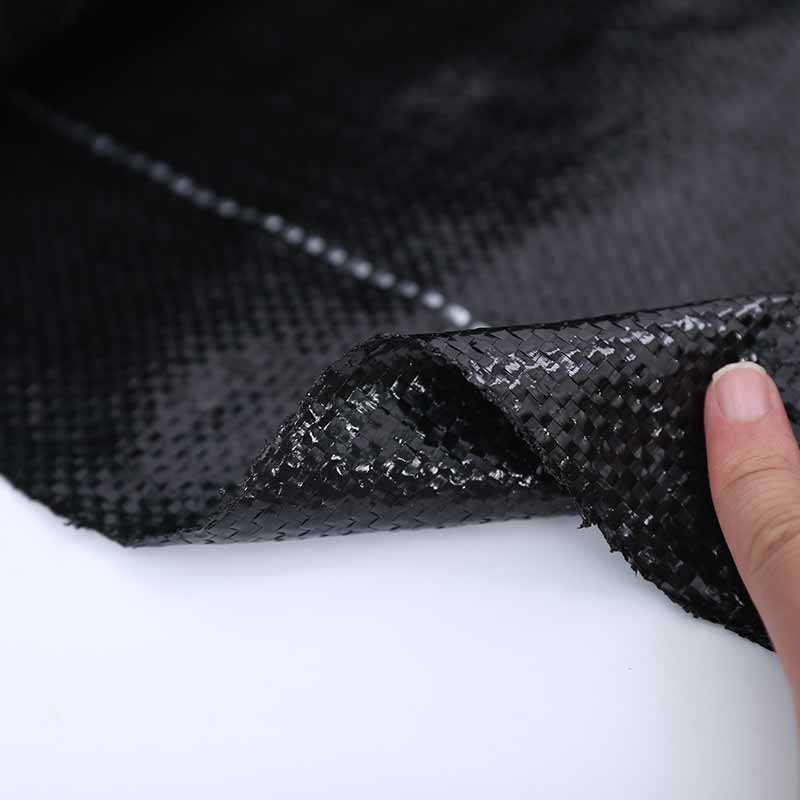
Landscape weed control fabric, also known as weed barrier fabric or ground cover fabric, is a specialized geotextile material designed to suppress weed growth while maintaining soil health. Made primarily from polypropylene or polyester fibers, this permeable fabric creates a physical barrier that blocks sunlight from reaching weed seeds, preventing germination while allowing water, air, and essential nutrients to penetrate through to plant roots.
The primary purpose of professional weed barrier fabric extends beyond simple weed suppression. It serves as a comprehensive soil management solution that reduces maintenance requirements, conserves moisture, and creates optimal growing conditions for desired vegetation. In commercial applications, high-quality weed control fabric can significantly reduce labor costs associated with manual weeding and minimize or eliminate the need for chemical herbicides.
Difference Between Landscape Fabric and Other Weed Control Methods
Traditional weed control methods such as manual weeding, mulching alone, or chemical herbicides each have limitations that professional landscape fabric overcomes. Manual weeding is labor-intensive and recurring, while mulching alone may provide insufficient weed suppression. Chemical herbicides raise environmental concerns and require repeated applications throughout growing seasons.
In contrast, professional-grade weed control fabric provides long-term, sustainable weed suppression without chemicals. Unlike plastic sheeting, which blocks water and air completely, landscape fabric maintains proper soil aeration and drainage while effectively blocking light. The fabric’s permeable design creates a healthy soil environment that supports beneficial microorganisms and promotes robust plant growth.
How Professional Grade Fabric Stands Out
Professional grade landscape weed control fabric distinguishes itself from residential or lightweight alternatives through superior construction materials and enhanced durability. While standard fabrics may last 1-3 years, professional-grade options typically offer 5-25 years of service life when properly installed and maintained.
The key differentiators include higher GSM (grams per square meter) ratings, typically 100-220 GSM for commercial applications, UV stabilization additives that prevent degradation from sunlight exposure, and reinforced weaving or needle-punched construction that resists tearing and punctures. Professional fabrics also maintain consistent permeability rates, ensuring reliable water flow even under heavy rainfall conditions.
Benefits of Using Landscape Weed Control Fabric
Effective Weed Prevention in Commercial Landscaping
Commercial landscaping projects demand consistent, professional appearance that weed infestations can quickly compromise. Professional weed barrier fabric delivers reliable, long-term weed suppression that maintains pristine grounds across corporate campuses, municipal parks, shopping centers, and other high-visibility properties. Studies show that properly installed weed control fabric can reduce weed emergence by 90-95%, dramatically cutting maintenance labor requirements.
The physical barrier approach works continuously without the recurring costs of chemical applications or manual weeding crews. For commercial properties with extensive landscaped areas, this translates to substantial operational savings and more predictable maintenance budgets. The fabric’s effectiveness persists through multiple growing seasons, providing sustained protection against both annual and perennial weed species.
Soil Moisture Retention and Erosion Control
Beyond weed suppression, professional landscape fabric significantly improves soil moisture management by reducing evaporation rates by up to 50%. This moisture conservation benefit proves particularly valuable in drought-prone regions or areas with water use restrictions. Reduced irrigation needs not only lower water costs but also promote more consistent plant health and growth patterns.
The fabric also provides effective erosion control, especially on slopes and areas prone to runoff. By stabilizing soil surfaces and preventing displacement during heavy rainfall, weed control fabric protects landscaping investments and maintains proper grading. Professional-grade materials with sufficient tensile strength can withstand hydraulic forces that would otherwise wash away mulch, topsoil, and plantings.
Long-Term Cost Savings Compared to Manual Weed Control
While the initial investment in professional-grade weed control fabric exceeds that of basic alternatives or no treatment, the long-term economic advantages become clear over time. Labor costs for manual weeding represent one of the largest ongoing expenses in commercial landscape maintenance. Implementing effective weed barrier fabric can reduce these labor requirements by 30-50% over the fabric’s service life.
When calculating total cost of ownership, factors include reduced herbicide purchases, lower water consumption, decreased plant replacement costs due to competition from weeds, and extended intervals between major maintenance cycles. Professional-grade fabric with 10+ year lifespans typically delivers the best return on investment, especially when amortized over extended service periods.
Types of Landscape Weed Control Fabric
Woven vs Non-Woven Fabric
The two primary categories of landscape weed control fabric—woven and non-woven—each offer distinct advantages suited to different applications. Woven fabric features tightly interlaced polypropylene or polyester fibers arranged in a grid pattern. This construction provides excellent tensile strength, puncture resistance, and durability, making woven fabric ideal for long-term installations in high-traffic areas, under gravel pathways, or in commercial landscapes where heavy equipment may operate.
Non-woven fabric consists of bonded fibers created through needle-punching or thermal bonding processes. This results in a felt-like texture with superior water permeability and flexibility. Non-woven options typically excel in applications requiring excellent drainage, such as in garden beds, around trees and shrubs, or in areas with irregular contours. However, they generally offer lower durability compared to woven alternatives, with typical service lives of 2-3 years versus 5+ years for woven varieties.
UV-Resistant and Heavy-Duty Options
Professional-grade landscape fabrics incorporate UV stabilizers that protect the material from degradation when exposed to sunlight. UV-resistant options feature additives that absorb or reflect harmful UV radiation, extending service life even when portions of the fabric remain uncovered. Heavy-duty fabrics combine UV resistance with enhanced thickness and reinforcement, providing maximum durability for demanding commercial applications.
Heavy-duty options typically feature GSM ratings above 150 and may include specialized construction techniques such as double-layer weaving or composite materials. These fabrics withstand challenging conditions including extreme temperatures, heavy foot or vehicle traffic, and exposure to agricultural chemicals or irrigation system minerals. Premium heavy-duty fabrics often come with manufacturer warranties ranging from 5-25 years, providing assurance of long-term performance.
Eco-Friendly and Biodegradable Fabrics
Growing environmental awareness has spurred development of eco-friendly weed control fabric options. Biodegradable fabrics made from natural materials such as jute, coir (coconut fiber), or plant-based polymers break down naturally over 6-24 months, leaving no synthetic residues. These options prove ideal for temporary applications, organic farming operations, or projects requiring minimal environmental impact.
Recycled content fabrics utilize post-consumer or post-industrial polypropylene, reducing virgin material requirements while maintaining performance characteristics. Some manufacturers offer take-back programs for used fabric, facilitating responsible end-of-life management. When evaluating eco-friendly options, consider the balance between biodegradability and required service life, as natural fibers typically offer shorter effective protection periods than synthetic alternatives.
Applications of Professional Grade Weed Control Fabric
Commercial Landscaping Projects
Professional-grade weed control fabric serves diverse commercial landscaping applications, from corporate headquarters and retail centers to municipal parks and educational institutions. In these high-visibility settings, consistent appearance and minimal maintenance disruptions take priority. The fabric’s reliable weed suppression maintains clean edges around planting beds, prevents unsightly growth in hardscape joints, and reduces labor requirements that might interrupt business operations.
Commercial applications often specify materials with extended warranties and documented performance histories to ensure long-term reliability. Professional landscapers appreciate fabrics with alignment guides that facilitate precise plant spacing, as well as materials that withstand repeated exposure to maintenance equipment and foot traffic. The predictable performance of professional-grade fabric supports accurate maintenance scheduling and budget forecasting across multiple properties.
Driveways, Pathways, and Gravel Areas
Hardscaped areas present particular weed management challenges, as weeds emerging through paver joints or gravel surfaces create safety hazards and aesthetic problems. Professional weed control fabric installed under these surfaces provides continuous protection that prevents weed growth while maintaining proper drainage. For driveways and parking areas, heavy-duty woven fabrics with superior puncture resistance withstand vehicle loads and gravel compaction.
In pathway applications, the fabric serves dual purposes: weed suppression and separation between gravel and soil layers. This separation prevents gravel migration into subsoil, maintaining proper pathway depth and reducing material replenishment needs. Professional fabrics with appropriate permeability characteristics ensure that water drains effectively rather than pooling on surfaces, which could create slip hazards or damage adjacent plantings.
Garden Beds, Slopes, and Erosion-Prone Areas
Planting beds benefit significantly from professional weed control fabric’s ability to suppress competition while maintaining optimal soil conditions. Around trees and shrubs, properly installed fabric reduces maintenance requirements and protects trunks from string trimmer damage. The material’s permeability ensures that root systems receive adequate moisture and oxygen, promoting healthy plant growth.
Sloped areas present unique challenges where erosion control becomes as important as weed suppression. Professional-grade fabrics with sufficient tensile strength and appropriate installation methods stabilize soil surfaces, prevent displacement during rainfall events, and maintain slope integrity. Some manufacturers offer specialized erosion control fabrics combining weed barrier properties with reinforced construction designed specifically for slope stabilization applications.
Use Under Artificial Grass and Turf
Artificial turf installations increasingly incorporate weed barrier fabric as a critical component of the installation system. The fabric prevents weed growth through turf backing while allowing proper drainage, ensuring long-term aesthetic performance and reducing maintenance requirements. Professional-grade fabrics designed for this application feature appropriate permeability characteristics that prevent water accumulation while blocking weed emergence.
Beyond weed suppression, the fabric layer provides separation between sub-base materials and turf backing, preventing migration that could create uneven surfaces. This separation function extends turf service life and maintains consistent playing characteristics for sports applications. Professional installers select fabrics with appropriate strength and UV resistance to withstand the specific demands of artificial turf installations, which may include heavy foot traffic and specialized maintenance equipment.
How to Choose the Right Landscape Weed Control Fabric

Key Factors: Thickness, Weight, and Material
Selecting appropriate landscape weed control fabric requires careful consideration of material specifications relative to application requirements. Thickness, typically measured in mils (thousandths of an inch) or millimeters, indicates material robustness and resistance to punctures. Professional-grade fabrics generally range from 3-8 mils, with heavier weights specified for demanding applications.
Weight, expressed as grams per square meter (GSM) or ounces per square yard, correlates directly with material durability and longevity. Light residential fabrics may weigh 50-80 GSM, while commercial-grade options typically exceed 100 GSM, with heavy-duty varieties reaching 220 GSM or more. Material composition—primarily polypropylene or polyester—affects UV resistance, chemical compatibility, and environmental considerations.
Considering Water Permeability and Breathability
Effective weed control fabric must balance light-blocking properties with adequate water and air permeability. Permeability rates, typically measured in gallons per minute per square foot or liters per second per square meter, indicate how quickly water passes through the material. Professional-grade fabrics maintain consistent permeability rates even after extended use, preventing water accumulation that could damage plantings or create mosquito breeding areas.
Breathability—the fabric’s ability to allow gas exchange—affects soil health by maintaining appropriate oxygen levels for root systems and beneficial soil organisms. Manufacturers engineer pore structures that block light while permitting air movement, creating optimal growing conditions. When selecting fabric, consider local rainfall patterns, irrigation methods, and plant species to match permeability characteristics with site requirements.
Matching Fabric to Specific Project Needs
Different applications demand different fabric characteristics. High-traffic commercial areas require heavy-duty woven fabrics with maximum durability and puncture resistance. Garden beds and planting areas benefit from materials with superior permeability and flexibility. Erosion-prone slopes need fabrics with appropriate tensile strength and installation methods that ensure secure anchoring.
Project duration also influences selection. Temporary installations or short-term crops may utilize lighter-weight fabrics or biodegradable options, while permanent landscaping justifies investment in premium materials with extended service lives. Consider accessibility for maintenance—areas requiring frequent plant replacement may benefit from fabrics designed for easy cutting and repair without compromising overall weed suppression performance.
Installation Guide for Commercial Projects
Preparing the Ground and Site Layout
Proper site preparation represents the critical foundation for successful weed control fabric installation. Begin by thoroughly removing all existing vegetation, including roots that could potentially penetrate the fabric. Manual removal works for small areas, while larger projects may benefit from mechanical methods or controlled herbicide application followed by complete vegetation removal.
Once vegetation is eliminated, grade the area to achieve proper drainage patterns and remove rocks, debris, or sharp objects that could damage the fabric. For commercial installations, establish clear layout plans indicating fabric placement, seam locations, and anchoring patterns. Pre-planning material orientation minimizes waste and ensures efficient coverage of irregularly shaped areas.
Laying the Fabric: Tips for Maximum Effectiveness
When unrolling weed control fabric, begin from one edge and work systematically across the installation area. Maintain consistent tension to prevent wrinkles or folds that could collect debris or create pockets for weed growth. For rolled materials, ensure the correct side faces upward—typically the smooth side with any alignment markings visible.
Overlap adjacent fabric sections by at least 6 inches, with 12-inch overlaps preferred for commercial applications or areas with heavy weed pressure. Orientation of overlaps should direct water flow rather than creating dams that cause accumulation. When working around existing plantings, cut openings large enough to accommodate growth without constricting stems or trunks, and secure fabric edges snugly around plant bases.
Securing Fabric Edges and Overlaps
Proper anchoring prevents fabric displacement from wind, water flow, or foot traffic. Use landscape staples, pins, or appropriate anchoring systems spaced 8-12 inches apart along edges and seams, with additional fasteners in high-stress areas. For commercial installations, consider specialized anchoring systems designed for specific applications or soil types.
Slope installations require extra anchoring attention. Place additional fasteners perpendicular to slope direction, and consider using erosion control blankets or additional stabilization materials for steep grades. In areas with anticipated foot traffic, ensure fastener heads are flush with or below fabric surface to prevent tripping hazards or equipment damage.
Best Practices for Mulching Over Fabric
Covering weed control fabric with appropriate mulch material enhances performance, aesthetics, and longevity. Organic mulches such as wood chips, bark, or shredded materials provide natural appearance while protecting fabric from UV degradation. Apply 2-3 inches of mulch uniformly, taking care not to bury desired plantings or create excessive depth that could prevent water penetration.
Inorganic mulches like gravel or decorative stones offer alternative aesthetic options and may be preferred in low-maintenance applications. When using stone materials, select sizes that won’t migrate through fabric pores or create abrasive conditions. Regardless of mulch type, periodically inspect coverage and replenish as needed to maintain consistent fabric protection.
Common Mistakes to Avoid
Using Thin or Low-Quality Fabric
Attempting to save costs by specifying lightweight or residential-grade fabric for commercial applications frequently proves counterproductive. Thin materials lack the durability to withstand demanding commercial conditions and typically require replacement within 1-2 years, resulting in higher total cost of ownership over time. Inadequate thickness also compromises puncture resistance, allowing weed penetration and mechanical damage.
When specifying fabric for commercial installations, prioritize appropriate material specifications over initial purchase price. Professional-grade materials may cost 20-50% more upfront but typically deliver 3-5 times longer service life, resulting in substantial long-term savings. Request technical data sheets and warranty information to verify that proposed materials meet project requirements.
Ignoring UV Exposure and Fabric Durability
Failure to account for UV exposure significantly reduces fabric service life, particularly in applications where material remains partially or completely uncovered. Even fabrics designed for permanent installation require proper mulching or covering to protect from UV degradation. Edges and seams that become exposed create failure points that compromise overall system performance.
Specify UV-stabilized materials for any application with potential sunlight exposure, and include requirements for proper covering in installation specifications. Regular inspections should identify exposed areas requiring remedial mulching or covering. In applications where complete coverage isn’t feasible, consider specialized fabrics with enhanced UV protection ratings.
Improper Installation Leading to Weed Growth
Even premium weed control fabric fails when improperly installed. Common installation errors include insufficient overlap between sections, inadequate anchoring, poor site preparation, or incorrect material orientation. Each of these mistakes creates opportunities for weed penetration that compromise system performance and appearance.
Implement quality control measures during installation to ensure adherence to specifications. Require contractor training or certification for commercial installations, and conduct post-installation inspections before project acceptance. Provide detailed installation guides that address common failure points and include troubleshooting guidance for field corrections.
Maintenance and Longevity
How Long Professional Grade Fabric Lasts
Service life for professional-grade landscape weed control fabric varies significantly based on material quality, installation conditions, and environmental factors. Woven polypropylene fabrics with appropriate UV protection and proper installation typically last 10-25 years when covered with mulch or stone. Non-woven materials generally provide 3-7 years of service, while biodegradable options break down within 6-24 months as designed.
Factors affecting longevity include UV exposure severity, foot or vehicle traffic intensity, chemical exposure from fertilizers or pesticides, and climate conditions including temperature extremes. Regular maintenance and proper installation techniques maximize service life, while neglect or adverse conditions can dramatically reduce effective performance periods. Document manufacturer warranties typically range from 5-25 years for premium commercial products.
Inspecting for Damage and Tears
Regular inspections identify potential problems before they compromise system performance. Schedule inspections at least annually, with additional checks following severe weather events or maintenance activities. Look for exposed fabric areas, damaged sections, displaced mulch, weed penetration, or fastener failures.
Address identified issues promptly to prevent further damage. Small tears or punctures can be patched using compatible fabric pieces and appropriate adhesives. Displaced fabric sections should be repositioned and re-anchored. Areas showing weed penetration may require fabric replacement or supplementary control measures. Maintain detailed inspection records to track fabric condition over time and identify patterns of wear or failure.
Tips to Extend Fabric Life in Commercial Projects
Maximizing weed control fabric service life requires attention to multiple factors throughout the installation’s lifespan. Maintain consistent mulch coverage to protect fabric from UV exposure. Avoid unnecessary foot traffic or equipment operation on fabric surfaces. Address drainage issues promptly to prevent water accumulation or excessive runoff that could displace fabric or mulch.
Seasonal maintenance should include mulch replenishment, fastener inspection, and vegetation control around edges. Train maintenance personnel on proper working techniques around weed control fabric systems to avoid accidental damage. Consider installing protective measures such as additional edging or barriers in high-stress areas to reduce wear and extend service life.
Why Buy Directly from a Manufacturer

Ensuring High Quality and Consistent Specifications
Purchasing weed control fabric directly from manufacturers rather than through intermediaries ensures material consistency and adherence to specifications. Manufacturers maintain tighter control over production processes, raw material quality, and finished product testing than distributors or retailers who may source from multiple suppliers. Direct relationships also facilitate access to technical documentation, certification records, and performance data that support specification decisions.
Manufacturers typically implement rigorous quality control procedures including batch testing for GSM, tensile strength, permeability, and UV resistance. These quality measures ensure consistent performance across large commercial installations that may require fabric from multiple production runs. Direct purchasing arrangements enable specification of custom materials when standard products don’t fully meet project requirements.
Custom Sizes and OEM Options for Large Projects
Large commercial projects often benefit from custom fabric specifications that optimize performance for specific applications. Manufacturers can produce custom widths, lengths, GSM ratings, or material combinations when ordered directly in sufficient quantities. This customization capability eliminates material waste from cutting standard sizes to fit irregular spaces and ensures optimal material characteristics for project requirements.
OEM partnerships enable branding opportunities, custom packaging, or specialized features that support project goals. Manufacturers can also provide technical support, installation training, and warranty administration directly to project teams. Direct relationships facilitate communication throughout project phases, from specification through installation and ongoing maintenance.
Cost Advantages and Bulk Supply
Direct manufacturer relationships typically provide pricing advantages compared to purchasing through distribution channels. Eliminating intermediary markups reduces material costs, especially beneficial for large-scale commercial installations requiring substantial fabric quantities. Volume discounts, negotiated pricing agreements, and bulk shipping arrangements further enhance cost savings.
Manufacturers can coordinate production schedules to match project timelines, ensuring material availability when needed. This coordination reduces project delays caused by material shortages and supports efficient installation planning. Direct supply relationships also simplify warranty claims and replacement material procurement if issues arise during the fabric’s service life.
Table: Professional Grade Weed Control Fabric Comparison
| Fabric Type | GSM Range | Service Life | Best Applications | Key Advantages |
|---|---|---|---|---|
| Light Woven | 80-100 GSM | 5-8 years | Residential gardens, light commercial | Cost-effective, easy installation |
| Heavy Woven | 120-220 GSM | 10-25 years | High-traffic areas, driveways, commercial properties | Maximum durability, puncture resistance |
| Non-Woven | 60-100 GSM | 3-7 years | Garden beds, planting areas, slopes | Superior permeability, flexibility |
| Biodegradable | 80-120 GSM | 6-24 months | Temporary projects, organic farming | Environmentally friendly, no residue |
| Geotextile | 150-300 GSM | 15-30 years | Road construction, erosion control | Extreme durability, load-bearing capacity |
Conclusion
Professional grade landscape weed control fabric provides commercial properties with reliable, long-term solutions for weed management challenges. By selecting appropriate materials, ensuring proper installation, and implementing effective maintenance practices, property managers can dramatically reduce maintenance costs while maintaining pristine landscapes. The fabric’s multiple benefits—weed suppression, moisture conservation, erosion control, and improved soil health—create value that extends well beyond simple weed prevention.
The investment in professional-grade materials delivers returns through reduced labor requirements, lower chemical usage, extended maintenance intervals, and enhanced property appearance. As commercial properties face increasing pressure to optimize maintenance budgets while maintaining high standards, weed control fabric represents a proven technology that supports both financial and operational objectives.
Contact Us for Expert Consultation
As a leading manufacturer of professional grade landscape weed control fabric, we offer extensive experience helping commercial properties select optimal materials for their specific applications. Our technical team provides specification support, installation guidance, and ongoing consultation to ensure successful implementation of weed control systems.
Whether your project requires standard products or custom solutions, our manufacturing capabilities deliver consistent quality and reliable performance. Contact us today to discuss your commercial landscaping needs, request material samples, or arrange consultation with our technical experts. We’re committed to helping you achieve long-term, cost-effective weed control that enhances your property’s appearance and reduces maintenance requirements.
FAQ
What is landscape weed control fabric made of?
Professional landscape weed control fabric is typically made from polypropylene or polyester fibers, available in woven or non-woven construction. These synthetic materials provide durability, UV resistance, and excellent weed suppression while allowing water and air to penetrate through to plant roots.
How long does professional grade weed control fabric last?
Professional-grade weed control fabric typically lasts 10-25 years when properly installed and maintained. Heavy-duty woven fabrics offer the longest service life, while non-woven varieties generally provide 3-7 years of protection. Service life depends on material quality, UV exposure, and installation conditions.
Do I need to remove weeds before installing landscape fabric?
Yes, thorough weed removal before installation is essential for optimal performance. All existing vegetation, including roots, should be eliminated to prevent weeds from penetrating the fabric. This ensures long-term effectiveness and reduces maintenance requirements after installation.
Can water pass through landscape weed control fabric?
Yes, quality landscape fabric is designed to be permeable, allowing water, air, and nutrients to pass through while blocking sunlight that promotes weed growth. This permeability maintains healthy soil conditions and supports plant growth while providing effective weed suppression.
Is landscape fabric better than using chemical herbicides?
Landscape fabric offers several advantages over chemical herbicides, including long-term weed suppression without recurring application costs, environmental benefits from reduced chemical usage, and consistent performance regardless of weather conditions. It provides a sustainable, low-maintenance solution for commercial landscaping.