Table of Contents
Introduction
Birds are among the most persistent threats to agricultural production worldwide. Every year, farmers lose billions of dollars in crop damage to these feathered pests. For commercial growers, even a small percentage of loss can significantly impact profitability and market position. While there are various bird control methods available today, bird protection nets have emerged as the most reliable, cost-effective, and environmentally friendly solution for protecting crops across diverse agricultural sectors.
What Are Bird Protection Nets?
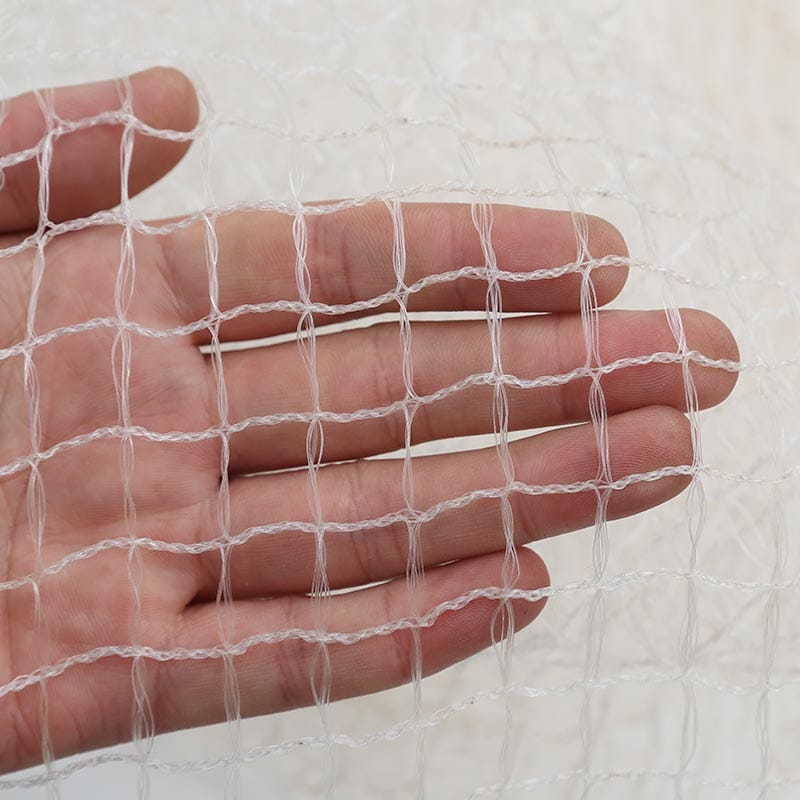
Bird protection nets are specialized mesh barriers designed to physically exclude birds from accessing valuable crops, fishponds, and other agricultural resources. These nets typically feature small openings ranging from 5mm to 50mm that allow sunlight, air, and rain to pass through while preventing birds from reaching the protected area. Bird nets are commonly manufactured from high-density polyethylene (HDPE), polypropylene, or nylon materials that are UV-stabilized to withstand prolonged outdoor exposure without degrading. They come in various configurations including knotted, knotless (knitted), and extruded types, each offering different strengths and durability levels for specific applications.
Importance of Bird Control in Farming
The economic impact of bird damage extends far beyond the immediate loss of fruit. Birds can cause secondary damage by creating entry points for fungal infections, bacterial rot, and other pathogens through peck wounds. A single bird visiting multiple fruits can destroy an entire batch’s marketability, as damaged produce typically cannot be sold and may contaminate surrounding harvest. In vineyards alone, bird pressure can destroy 20–40% of potential yield, particularly during veraison when grapes become highly attractive to species like starlings, silvereyes, robins, finches, and blackbirds. These losses are especially devastating for high-value crops where quality directly influences pricing and market position. Effective bird control is therefore essential not just for protecting yield volume, but for maintaining crop quality and overall farm profitability.
Overview of Materials Used
Modern bird protection nets utilize advanced polymer technologies to balance strength, durability, and environmental safety. High-density polyethylene (HDPE) represents the most common material choice, offering excellent UV resistance, longevity of 5–10 years, and lightweight characteristics that facilitate installation. UV inhibitors are incorporated during manufacturing to prevent sun damage, with carbon black being particularly effective due to its superior UV blocking properties. Polypropylene provides similar benefits with enhanced flexibility, while nylon offers exceptional strength for heavy-duty applications despite being less common due to higher costs and hydrophilic nature. These materials are engineered to maintain structural integrity under extreme weather conditions including intense sunlight, rain, wind, and temperature fluctuations, ensuring reliable protection across multiple growing seasons. The mesh designs—typically square, diamond, or hexagonal—balance exclusion effectiveness with minimal shading impact on plant growth and photosynthesis.
How Bird Protection Nets Improve Crop Yield
Reducing Crop Loss Due to Birds
The most immediate benefit of bird protection nets is the dramatic reduction in direct crop loss. Unlike visual or auditory deterrents that birds quickly learn to ignore, nets provide continuous, physical exclusion that remains effective regardless of bird behavior or adaptation. Studies consistently show that properly installed bird netting can reduce crop losses by up to 90% in vulnerable fruit and vegetable crops. This protection is particularly valuable during peak ripening periods when crops become most attractive and most susceptible to damage. By creating an impenetrable barrier, nets prevent the initial pecking that triggers cascading losses—once one fruit is damaged, birds often move systematically through crops, multiplying the damage exponentially. This systematic protection helps farmers preserve a higher percentage of their total yield, directly impacting revenue and profitability.
Protecting Fruits, Vegetables, and Vineyards
Different crop types face unique bird challenges, and bird protection nets are specifically designed to address these variations. In orchards, nets protect stone fruits like peaches, cherries, and plums that are particularly vulnerable during their brief ripening windows. Berry crops including strawberries, blueberries, raspberries, and cranberries benefit from netting that prevents birds from stripping entire plants or selectively consuming the largest, most valuable fruits. Vineyards face perhaps the most significant bird pressure, with species like starlings and silvereyes capable of devastating entire harvests during the critical veraison period. Netting systems specifically designed for vineyards—including side netting that protects only the fruiting zone while allowing canopy airflow, and overhead systems that provide complete coverage—can preserve grape quality and prevent yield loss that would otherwise affect wine production consistency. Vegetable gardens also benefit significantly, as birds can destroy seedlings before they establish or feed on developing vegetables like tomatoes, peppers, and lettuce.
Case Studies from Orchards and Farms
Commercial operations worldwide have documented substantial economic benefits from implementing bird protection netting systems. A cherry orchard in Washington State implemented side netting systems after experiencing consistent 25% annual losses to American robins and starlings. Following net installation, losses dropped to less than 3%, with the investment paying for itself within two seasons through preserved yield alone. Similarly, a Michigan blueberry farm overhead netting system eliminated 90% of bird damage, allowing the operation to shift focus from crop protection to quality improvement and market expansion. In vineyards across Australia and New Zealand, side netting systems have become standard practice, protecting grape quality and enabling consistent wine production year after year. These case studies demonstrate that while the initial investment in netting may seem substantial, the return through preserved yield, improved quality, and reduced need for alternative bird control methods makes bird protection nets a financially sound investment for operations of all scales.
Types of Bird Protection Nets for Agricultural Use
Knotted vs Knotless Bird Netting
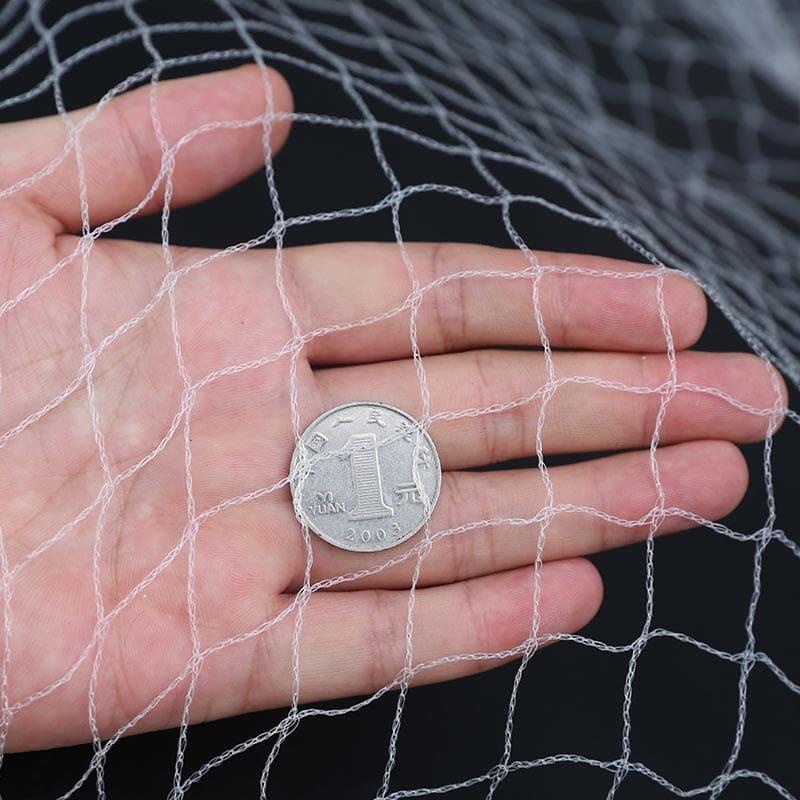
The construction method of bird netting significantly impacts its performance characteristics and ideal applications. Knotted netting involves twisting individual strands into rope-like configurations that are then knotted together at mesh intersections, creating extremely strong structures with individual breaking strengths exceeding 50 pounds per strand. This construction method produces nets with superior durability and resistance to tearing, making knotted netting particularly valuable for high-stress applications including commercial vineyards, orchards, and installations requiring substantial wind resistance. Knotless netting (also called knitted netting) is produced through Raschel knitting machines that weave monofilament strands into integrated mesh structures without knots. While slightly less strong than knotted varieties, knotless netting offers excellent flexibility, reduced weight, and resistance to unraveling if damaged—localized damage typically does not spread. This makes knotless netting ideal for applications requiring easy installation and removal, including seasonal protection of vegetable gardens, berry crops, and smaller orchards. The choice between knotted and knotless construction depends on specific durability requirements, installation frequency, and budget considerations.
Heavy Duty vs Standard Nets
Bird protection nets are categorized by strength and intended usage duration into heavy-duty and standard varieties. Heavy-duty nets feature thicker twine diameters, higher breaking strengths, and enhanced UV stabilization designed for permanent or multi-year installations in commercial operations. These nets typically employ HDPE monofilaments with diameters exceeding 0.9mm and specialized UV additives that maintain structural integrity for 8–10 years even in intense sun exposure. Heavy-duty nets are essential for high-value crops where replacement costs and crop losses from net failure would be prohibitively expensive, including premium vineyards, large-scale orchards, and aquaculture facilities protecting valuable fish stocks. Standard nets provide adequate protection for seasonal use and smaller operations, offering lighter weights and lower costs while maintaining sufficient durability for typical growing seasons. These nets may require more frequent replacement but represent a cost-effective solution for small farms, garden operations, and situations where nets are removed and stored during off-seasons. The selection between heavy-duty and standard options should consider the economic value of protected crops, frequency of installation and removal, and climate conditions affecting material degradation.
UV Resistant and Weatherproof Nets
Extended outdoor exposure subjects netting to significant environmental stress, making UV resistance and weatherproofing critical quality considerations. UV-stabilized nets incorporate carbon black or specialized additives during manufacturing to prevent polymer degradation caused by ultraviolet radiation, the primary cause of netting failure in outdoor applications. Without proper UV protection, netting can lose up to 50% of its breaking strength within a single season, significantly compromising protective effectiveness and requiring premature replacement. Premium UV-resistant nets are engineered to maintain structural integrity for 5–10 years, providing excellent long-term value despite higher initial costs. Weatherproofing features include resistance to temperature extremes, moisture absorption (particularly important for nylon nets), and dimensional stability under varying humidity conditions. Nets must maintain their mesh shape and tension despite expansion from heat or shrinkage from cold to prevent creating access points for birds. Additionally, weatherproof nets resist mildew and fungal growth that could otherwise compromise material strength and create health hazards in food production environments. When selecting netting, verify that UV stabilizers are incorporated throughout the material matrix rather than simply surface-applied, as integrated protection provides more durable and uniform performance across the product lifespan.
Installation and Maintenance Tips for Bird Netting
Proper Installation Techniques for Different Crops
Effective bird netting requires appropriate installation methods tailored to specific crop types and growing systems. For tall orchard trees, overhead systems supported by poles and wires provide comprehensive protection while allowing equipment access beneath. These systems require robust structural support, including tension cables and secure anchoring points to withstand wind loads and prevent sagging that would create access opportunities for birds. Vineyard applications often employ side netting systems that wrap around the fruiting zone while leaving canopy exposed for airflow and spray penetration—this method balances effective protection with operational efficiency and is particularly popular in Australia and New Zealand. Berry crops frequently utilize overhead netting on low-profile structures that allow workers to access plants beneath the netting during harvest. Vegetable gardens benefit from simple support structures using stakes, hoops, or PVC pipe arches that elevate netting above plants, preventing damage while maintaining accessibility for maintenance and harvesting. Regardless of crop type, installation should occur before crops become attractive to birds—typically during early fruit development rather than waiting until visible damage appears.
How to Secure Nets on Trees, Vines, and Structures
Proper securing methods are essential to maintain net tension and prevent birds from finding access points around edges. For tree applications, nets should be gathered securely around the trunk below the lowest branches or fruiting zone, using strong twine or specialized clips designed for net attachment. Avoid simple tying methods that can loosen over time—instead, employ secure fastening techniques that maintain tension as trees grow and weather conditions change. Vineyard side netting requires clips that attach to both top and bottom wires, creating a sealed envelope around grape clusters without restricting vine growth or canopy management. Overhead systems demand careful tensioning across support structures, with perimeter edges secured to the ground or lower wires to prevent birds from entering from below. When securing netting to structures such as greenhouses or buildings, use appropriate fasteners that don’t damage the structure while maintaining net tension—specialized clips and fastening systems are available for various substrate types including wood, metal, and plastic. Regular monitoring of attachment points is essential, as settling, growth, or weather events can loosen netting over time, reducing effectiveness.
Maintenance for Longevity and Efficiency
Regular maintenance significantly extends netting lifespan and ensures continued protection effectiveness. Establish inspection routines at least monthly during active use seasons, checking specifically for tears, holes, developing weak points, and loosened attachment points. Small damage should be repaired immediately using repair tape or twine—minor holes can quickly expand under wind stress or bird pressure, creating access opportunities. Remove accumulated debris including leaves, branches, and fruit from net surfaces, as excessive weight can cause sagging and structural stress that compromises protection and accelerates material fatigue. At season’s end, properly clean netting to remove organic material that could promote mildew or degradation during storage. Store nets in cool, dry locations away from direct sunlight, preferably rolled or folded to prevent creasing that could weaken materials. UV degradation continues even during storage if exposed to sunlight, so indoor storage is recommended. For permanent installations, schedule thorough annual inspections before each growing season, addressing any winter damage from snow, ice, or wind before birds return and crops begin developing. Proper maintenance not only extends product lifespan but ensures reliable protection year after year.
Advantages Over Other Bird Control Methods
Bird Spikes vs Bird Nets
Bird spikes and bird nets represent fundamentally different approaches to bird control with distinct advantages and limitations. Spikes are physical deterrents designed to prevent birds from landing or roosting on specific surfaces including ledges, beams, and signage. They work effectively for preventing roosting and nesting in architectural applications but provide essentially no protection for crops or open areas where birds can simply feed by flying or hopping to food sources. Spikes also require installation on every potential landing surface, making comprehensive coverage impractical for agricultural applications. In contrast, bird nets create exclusion zones that completely prevent access to protected areas regardless of bird approach method—whether flying, hopping, or climbing. Nets provide protection for valuable crops, fishponds, and large areas where spikes would be completely ineffective. While spikes have niche applications for preventing structural contamination from bird droppings, they cannot match nets’ comprehensive crop protection capabilities. For agricultural applications focused on preserving harvest value, bird netting provides vastly superior protection compared to spike systems.
Chemical Repellents vs Physical Nets
Chemical repellents and physical nets represent different philosophies in bird control with varying effectiveness and environmental considerations. Chemical repellents typically utilize compounds like methyl anthranilate that irritate birds’ sensory systems when ingested or contacted, creating aversion to treated areas. While theoretically appealing, field studies consistently show limited effectiveness of chemical repellents, as birds must sample and experience the deterrent before learning avoidance, by which time significant damage may have occurred. Chemicals also require repeated applications, especially following rain or irrigation, increasing labor and material costs. Environmental concerns exist regarding potential effects on non-target species and food safety residues on treated crops. Physical nets, while requiring higher initial investment and installation effort, provide immediate, continuous protection without chemicals or potential contamination. Nets create impenetrable barriers that prevent any contact between birds and protected crops, eliminating the sampling behavior that undermines chemical repellent effectiveness. For organic production or markets sensitive to chemical residues, nets offer the only comprehensive solution that provides reliable protection without compromising organic certification or food safety standards.
Cost-Effectiveness and Sustainability
While bird protection nets typically require higher initial investment than alternative methods, their long-term cost-effectiveness and sustainability advantages are substantial. Chemical repellents involve recurring annual costs for materials and application labor, with effectiveness often diminishing over time as birds adapt or weather conditions reduce treatment persistence. Visual and auditory deterrents may have lower upfront costs but require frequent repositioning, replacement, and often combine multiple systems with limited effectiveness, particularly against intelligent bird species that quickly learn patterns. Nets represent a one-time investment that can provide protection for 5–10 years when properly maintained, dramatically reducing annual bird control expenses. The prevented crop losses typically pay for the netting investment within 1–3 seasons, after which continued protection represents essentially free additional profit. From a sustainability perspective, nets eliminate the need for repeated chemical applications, reducing environmental contamination risks. They also prevent the secondary environmental damage caused by bird droppings in waterways and food production areas. Modern netting materials increasingly incorporate recycled content and are themselves recyclable at end-of-life, further improving sustainability credentials compared to ongoing chemical consumption.
Choosing the Right Bird Protection Nets for Your Farm
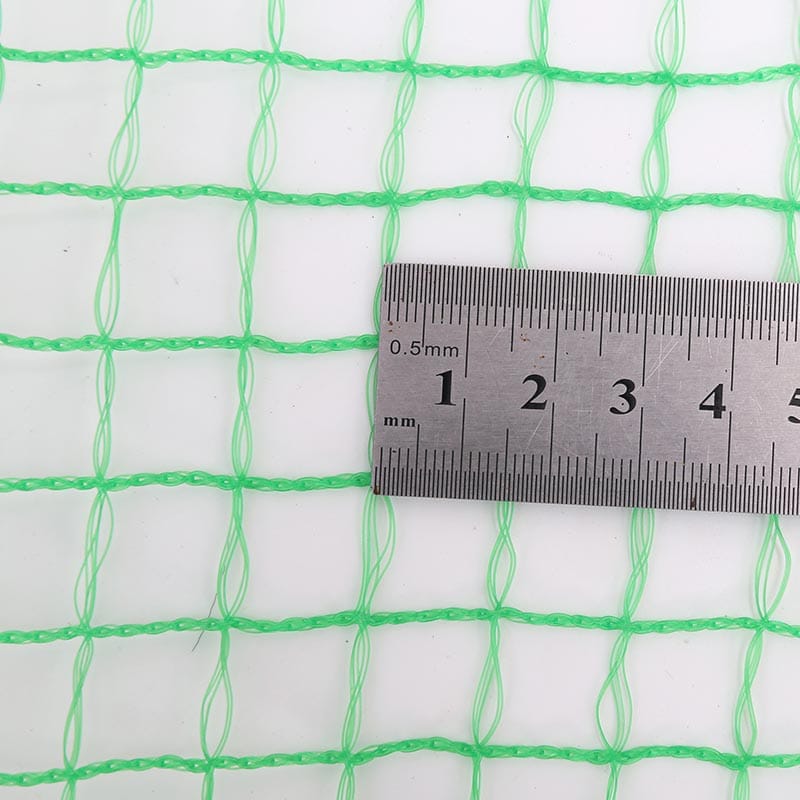
Selecting Based on Mesh Size, Material, and Crop Type
Successful bird protection begins with selecting netting appropriately matched to target bird species, crop characteristics, and environmental conditions. Mesh size selection should consider the smallest target bird species that can access your crops—smaller birds like silvereyes require mesh openings no larger than 15mm, while larger birds like starlings may be excluded by 20–25mm openings. However, smaller mesh sizes provide broader protection against multiple species, though they increase material costs and may slightly reduce light penetration. Material selection should consider expected service life and environmental stress factors—HDPE provides excellent UV resistance for sunny climates, while nylon offers superior strength for windy or high-stress applications despite requiring more careful moisture management. Crop type influences selection beyond mesh considerations: crops requiring multiple harvests like blueberries benefit from overhead systems that allow repeated access, while single-harvest crops like wine grapes are well-suited for side netting or drape systems that provide comprehensive protection during critical ripening periods. Climate factors including wind patterns, sun exposure intensity, and precipitation should influence material durability requirements and UV stabilization levels—harsher environments justify investment in premium materials with extended warranties despite higher initial costs.
Custom Sized Nets for Orchards and Vineyards
Commercial operations benefit significantly from custom-sized netting solutions optimized for specific crop layouts and planting configurations. Manufacturers can produce nets in custom dimensions that reduce installation labor and material waste compared to cutting standard sizes. For vineyards with standardized row spacing and lengths, custom-width nets matching row dimensions eliminate cutting and seaming during installation, saving substantial labor during deployment and removal. Orchards with irregular shapes or multiple tree varieties can benefit from nets cut to match canopy dimensions precisely, reducing excess material that must be managed and stored. Custom netting also allows optimization for specific equipment patterns—nets can be manufactured with reinforced edges for frequent attachment points, integrated grommets for suspension systems, or special coatings for unique environmental exposures. When ordering custom netting, provide detailed measurements including length, width, and specific attachment requirements. Consider factors like access gates, irrigation systems, and equipment patterns when specifying dimensions. While custom netting may involve higher minimum order quantities, the installation labor savings and material efficiency typically provide excellent return on investment for operations exceeding several acres. Manufacturers specializing in agricultural netting can provide consultation on optimal specifications based on your specific operation’s requirements.
Direct from Manufacturer: Benefits of Buying Factory-Supplied Nets
Purchasing bird protection nets directly from manufacturers rather than through distributors or retailers provides significant advantages in cost, customization, and product quality. Factory-direct purchasing eliminates distributor markups, typically resulting in 20–40% cost savings compared to retail pricing for equivalent quality netting. These savings can significantly reduce overall investment costs, particularly for larger operations requiring substantial netting quantities. Manufacturers also provide superior customization capabilities compared to standard retail products—custom mesh sizes, specialized materials, unique dimensions, and integrated attachment features are readily available when ordering directly from production facilities. Quality control is another significant advantage, as manufacturers maintain strict oversight of material composition, UV stabilization levels, and construction consistency throughout the production process. Direct purchasing also ensures access to technical expertise—manufacturers can provide guidance on optimal specifications, installation methods, and maintenance practices based on extensive experience with similar applications. Finally, direct relationships with manufacturers provide advantages in warranty support, replacement logistics, and potential for future collaborations as operations expand or modify protection systems. For agricultural operations investing in comprehensive bird protection, establishing relationships with reliable manufacturers provides both immediate cost benefits and long-term advantages in product quality and technical support.
Common Mistakes to Avoid When Using Bird Netting
Improper Installation Leading to Gaps
The most frequent and consequential mistake in bird netting implementation is improper installation that creates access points for birds. Gaps commonly develop at ground edges where netting fails to make secure contact, creating entry routes for birds that simply walk or hop beneath the net. These gaps frequently occur at terrain irregularities, around plant bases, or where netting transitions between structures. Another common installation error is insufficient tension, causing sagging that brings netting into contact with crops—birds can then feed through the mesh by pecking at fruit through the net itself. Overlap joints between net sections represent another vulnerability point; insufficient overlap or seaming creates openings that birds quickly discover and exploit. Installation mistakes are particularly problematic because birds systematically search for access points, and once found, they return repeatedly, multiplying the damage. Preventing installation errors requires careful planning, including measuring attachment points precisely, using appropriate fastening systems for all edges and overlaps, and conducting thorough testing before peak bird pressure periods begins. Temporary test installations can identify problem areas before critical crop development stages, allowing corrections before significant damage can occur.
Using Low-Quality Nets That Tear Easily
Attempting to save costs through inferior quality netting represents a false economy that typically results in greater long-term expenses through premature replacement and crop losses. Low-quality nets frequently skimp on UV stabilization, using surface-applied treatments rather than integrated UV inhibitors that maintain protection throughout the material. These nets often experience dramatic strength loss within a single season, developing brittle failures and tears that compromise protection and require complete replacement. Mesh construction quality varies significantly between manufacturers—inferior nets may have inconsistent mesh dimensions, weak knot points, or material inconsistencies that create failure points under stress. Particularly concerning are nets with very thin twine diameters that may seem initially strong but quickly fatigue and break under wind loads or bird pressure. When evaluating netting quality, consider not just initial appearance but technical specifications including UV stabilizer percentage, minimum breaking strength ratings, and warranty periods. Quality manufacturers provide detailed technical specifications and stand behind their products with substantial warranties, often 5–10 years for agricultural applications. The relatively modest cost difference between premium and economy netting typically pays for itself repeatedly through extended lifespan and prevented crop losses during that extended service period.
Neglecting Seasonal Maintenance
Even high-quality bird protection nets require regular maintenance to maintain effectiveness and achieve expected service life. A common mistake is assuming that once installed, nets require minimal attention—this attitude often leads to developing problems that compromise protection and accelerate material degradation. Neglected nets accumulate debris including leaves, branches, and fruit that adds weight, causes sagging, and creates pockets where moisture collects, promoting mildew and material deterioration. Small tears and holes from weather events or animal activity go unaddressed in unmaintained nets, quickly expanding into major access points that render large sections ineffective. Attachment points gradually loosen as wood shrinks, metal expands, or materials settle under seasonal temperature changes, creating edge gaps around perimeter attachments. Seasonal maintenance routines should include systematic inspections, debris removal, attachment tightening, and prompt repair of developing damage. This maintenance doesn’t require excessive time investment—regular monthly inspections during active seasons, combined with thorough annual inspections before critical periods, typically suffice to maintain nets in optimal condition. The maintenance investment preserves both the crop protection value and extends product lifespan, providing excellent return on the minimal time investment required.
Additional Applications of Bird Nets in Agriculture
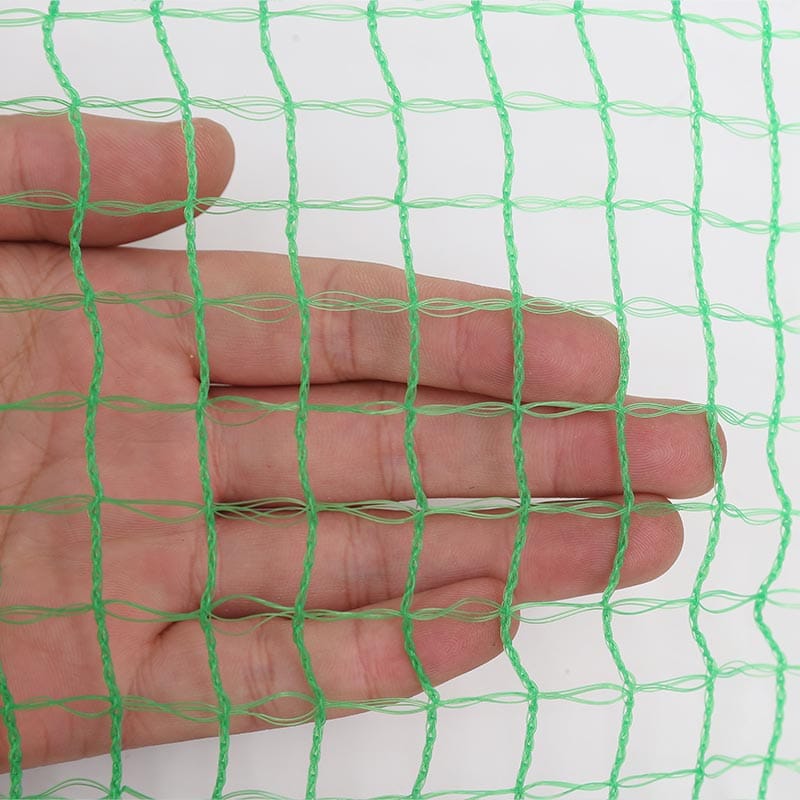
Protection for Greenhouses and Nurseries
Bird protection nets provide essential protection for greenhouse and nursery operations beyond just direct crop protection. Greenhouse ventilation openings, particularly large sidewall vents and roof ventilation systems, represent major entry points for birds seeking shelter or food. Once inside greenhouses, birds can cause damage not only to crops but also to infrastructure and equipment through droppings, nesting activities, and pecking damage to plastic components. Netting installed over ventilation openings provides effective exclusion while allowing necessary airflow—properly sized mesh prevents bird entry while minimizing restriction of air exchange critical for temperature and humidity management. Nurseries face particular vulnerability as young seedlings and propagated plants are highly susceptible to bird damage during their early establishment stages. Birds can destroy entire trays of seedlings or selectively consume the most valuable propagated plant material, causing losses disproportionate to the actual biomass consumed. Netting systems designed specifically for nursery applications provide protection while allowing necessary light penetration and worker access. These systems often incorporate specialized attachment methods compatible with greenhouse structures and propagation bench systems, allowing efficient deployment without disrupting nursery operations.
Use in Aquaculture
Fish ponds and aquaculture facilities face significant predation pressure from piscivorous birds including herons, egrets, cormorants, pelicans, and kingfishers. These birds can consume substantial quantities of fish, particularly in operations where fish are concentrated during feeding times or when held in high densities. Aquaculture bird netting differs from agricultural netting in several key respects: mesh sizes are typically larger to accommodate the bigger target bird species while still preventing access, and the netting often employs stronger materials to withstand water exposure and the substantial weight forces when birds land on the net surface. Installation frequently involves overhead suspension systems spanning entire pond surfaces, requiring robust structural support due to the large spans and environmental exposure to water and weather. Proper installation must account for bird behaviors—cormorants and pelicans dive from significant heights, creating substantial impact forces that netting must absorb without rupturing. White netting is particularly common in aquaculture applications as its high visibility provides effective deterrent through visual signaling, preventing birds from attempting the initial contact that could damage even heavy-duty nets. The economic value of fish in aquaculture operations justifies substantial investment in comprehensive netting systems, as even modest bird predation can represent significant financial losses given the high value of individual fish compared to many agricultural crops.
Multi-Purpose Crop and Garden Protection
Beyond single-crop applications, bird protection nets provide versatile protection across diverse agricultural and horticultural environments. Small-scale market gardens and community gardens benefit significantly from netting systems that protect diverse plantings simultaneously, eliminating the need for multiple separate protection methods. Garden centers and plant retailers use netting to protect display stock and propagation areas from bird damage while maintaining accessibility for customers and staff. Home orchards with multiple fruit varieties maturing at different times benefit from netting systems that can be deployed progressively as various crops ripen, providing season-long protection without constant adjustment. Urban agriculture operations, including rooftop gardens and vertical farming installations, use specialized netting systems that provide bird exclusion while accommodating urban aesthetic requirements and space limitations. Perhaps most significantly, netting systems designed for multi-purpose use can protect against additional threats beyond birds—some designs also provide partial protection against larger pests including deer, rabbits, and ground squirrels when properly installed with ground securement. This versatility makes bird netting an excellent investment for diversified operations with multiple protection needs across different crop types and growing environments.
Conclusion
Bird protection nets provide comprehensive, reliable solutions for protecting agricultural investments across diverse crop types and growing environments. The benefits extend far beyond simple bird exclusion—properly implemented netting systems improve crop yields, preserve quality, reduce losses to secondary infections, and decrease annual bird control costs through multi-season durability. The initial investment in high-quality netting typically pays for itself within 1–3 seasons through preserved harvest value, after which continued protection generates additional profit directly to the bottom line. Compared to alternative bird control methods including chemical repellents, auditory deterrents, and visual scare devices, nets provide superior effectiveness without environmental contamination risks or the adaptation problems that undermine many non-physical approaches. Modern netting materials provide excellent durability, UV resistance, and environmental safety profiles that make them appropriate for organic production and environmentally conscious operations. When selecting bird protection solutions, prioritize quality materials, appropriate specifications for your specific applications, and proper installation practices to maximize both effectiveness and longevity.
The long-term value of manufacturer-supplied bird protection nets extends beyond just crop protection—they represent investment in sustainable farming practices that reduce environmental impact while improving economic returns. High-quality nets provide 5–10 years of reliable protection, reducing waste and eliminating the recurring chemical applications required by alternative methods. For agricultural operations seeking consistent, sustainable, and profitable production, bird protection nets provide essential tools for preserving harvest value while minimizing environmental footprint. Contact us today to explore custom bird protection nets for your farm or orchard—we’ll help you select the optimal specifications for your specific crops, bird pressure challenges, and operational requirements, ensuring you receive maximum protection value from your investment.
FAQ
Q: What is bird protection netting?
A: Bird protection netting is a mesh barrier made from materials like HDPE that physically prevents birds from accessing crops, ponds, and agricultural areas while allowing sunlight and air to pass through.
Q: How long do bird protection nets last?
A: High-quality UV-stabilized bird nets typically last 5–10 years, while standard nets with basic UV protection generally provide 3–5 years of service with proper maintenance.
Q: What mesh size should I choose for bird protection?
A: Mesh size depends on the target bird species—small birds like silvereyes require 15mm or smaller mesh, while larger birds like starlings can be excluded with 20–25mm openings.
Q: Are bird nets environmentally friendly?
A: Yes, bird nets are eco-friendly alternatives to chemical repellents, providing physical protection without toxic substances, and many modern nets are made from recyclable HDPE materials.
Q: Can bird protection nets be reused across multiple seasons?
A: Absolutely, bird nets are designed for seasonal reuse—they can be removed, properly cleaned and stored, then reinstalled for multiple growing seasons with minimal maintenance.