Table of Contents
What Is an Outdoor Shade Net and Why It Matters
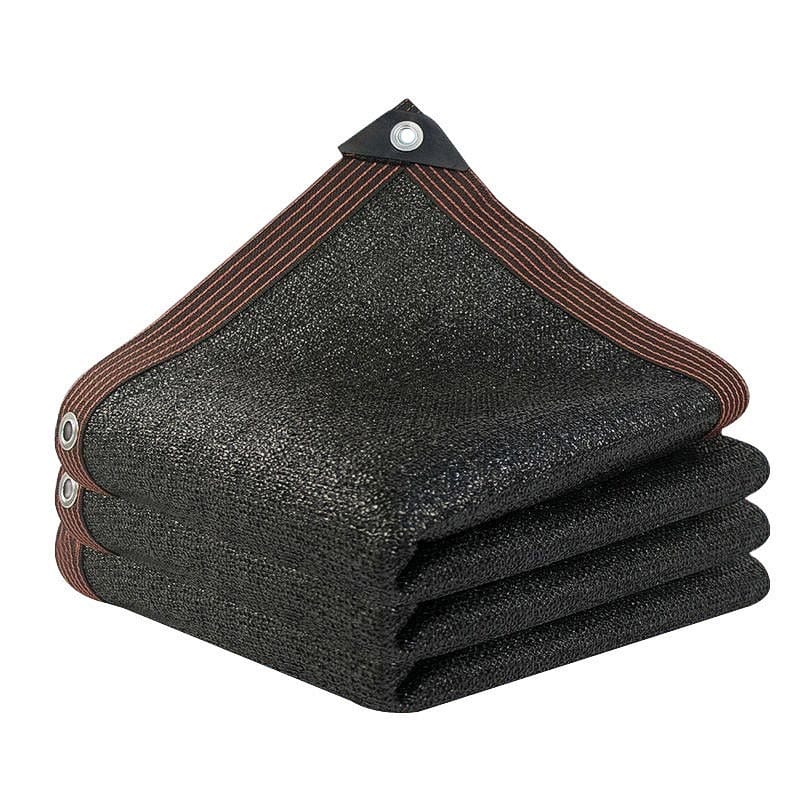
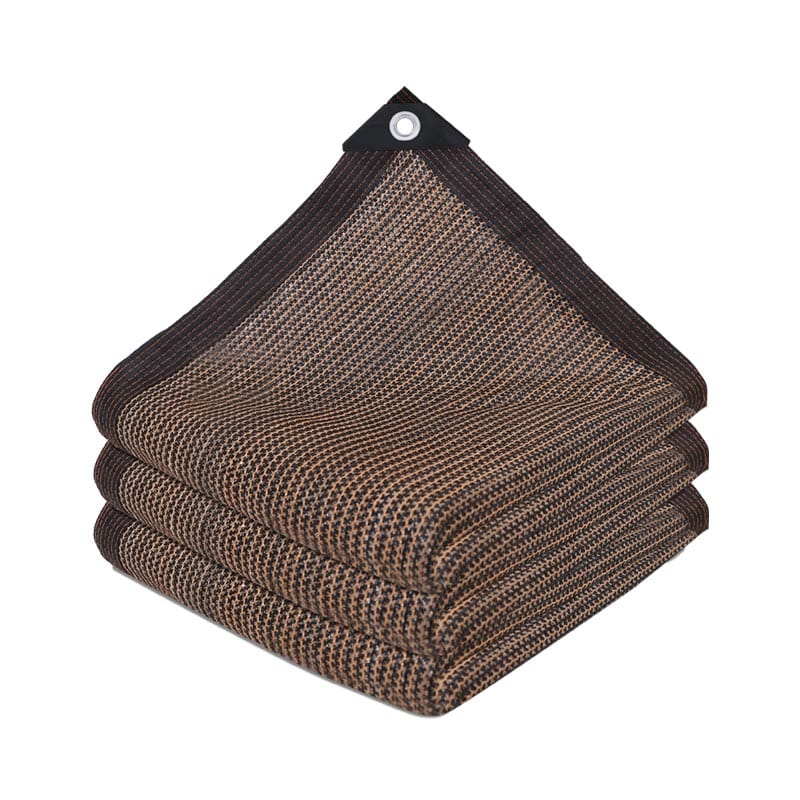
An outdoor shade net is a high-strength, knitted or woven mesh fabric designed to provide shade, reduce heat, and protect plants, people, and structures from excessive sunlight. It is widely used in gardens, patios, greenhouses, agricultural farms, and even outdoor events. Unlike a traditional shade cloth, a shade net is often manufactured using HDPE (High-Density Polyethylene) with UV stabilizers, giving it excellent durability and resistance to weathering.
The main function of an outdoor shade net is to control sunlight intensity and temperature. It can block a portion of UV rays while allowing sufficient light and airflow. This balance is crucial for plant growth, energy savings, and improving outdoor comfort. Whether you are shading a greenhouse, creating a patio cover, or protecting crops, a high-quality outdoor shade net provides a reliable and cost-effective solution.
Why Buying from a Manufacturer Matters (Manufacturer Advantage)
As a manufacturer, we understand that many customers are looking for quality, stability, and customization. Buying directly from a manufacturer has several advantages:
Quality Control and Stable Supply Chain
Manufacturers have direct control over the entire production process. From raw material selection to final inspection, every step is monitored to ensure consistency. This is especially important for products like shade nets, where UV protection, tensile strength, and tear resistance are critical.
Custom Production: Size, Density, Color, UV Rating
One of the biggest benefits of working with a manufacturer is customization. You can choose:
- Shade density (e.g., 30%, 50%, 70%, 90%)
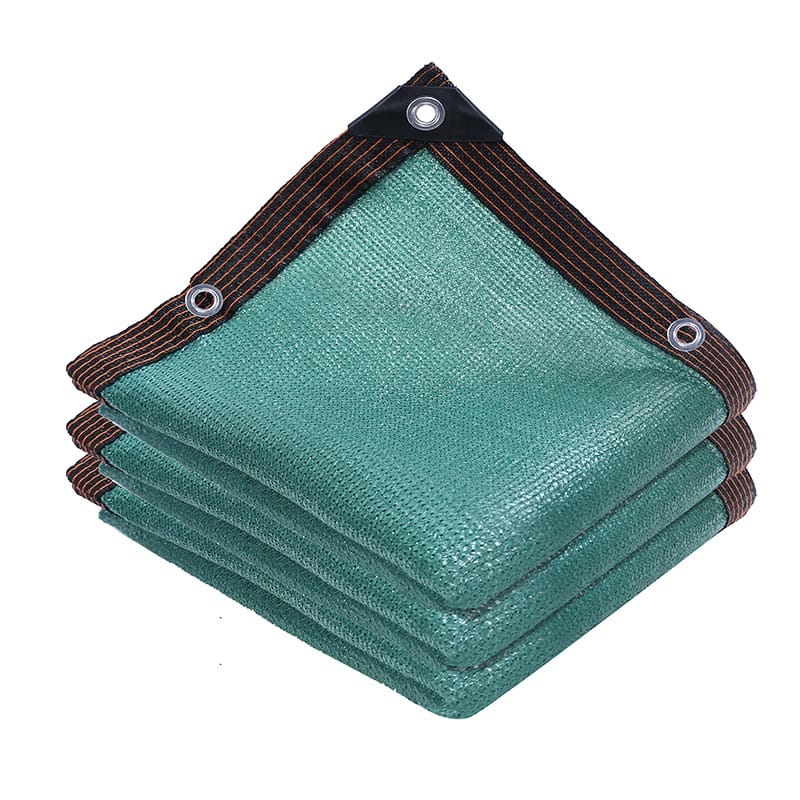
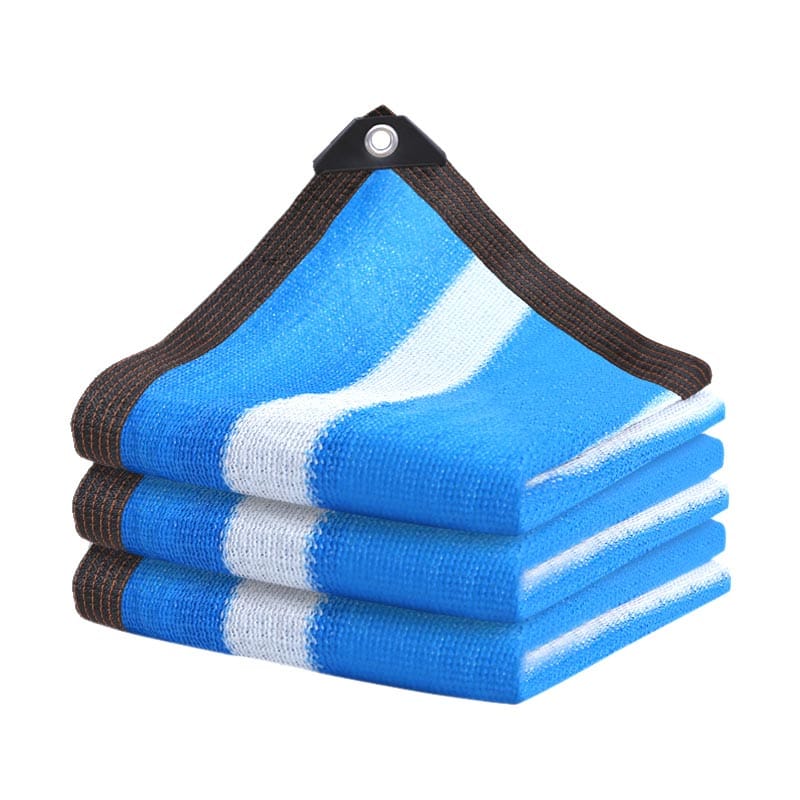
- Color (green, black, white, etc.)
- Size and shape
- Reinforced edges and grommets
- Special UV protection ratings for specific environments
Cost Advantages: Factory Direct Pricing vs Distributor Markup
Buying from a manufacturer eliminates middlemen, which reduces costs and improves pricing transparency. You get better value for your investment, especially for bulk orders and commercial projects.
Faster Lead Time and Flexible MOQ
Manufacturers can often provide faster delivery and flexible minimum order quantities (MOQ), making it easier for small and medium businesses to access high-quality outdoor shade nets.
How Outdoor Shade Net Is Made (Manufacturing Process Explained)
Understanding the manufacturing process helps you appreciate the quality and durability of a good outdoor shade net.
Raw Materials (HDPE, UV Stabilizer, Knitted/Woven Mesh)
High-quality shade nets are typically made from HDPE because it offers strength, flexibility, and resistance to chemicals and weather. UV stabilizers are added during production to enhance longevity and prevent degradation from sunlight.
Weaving/Knitting Process
Shade nets can be either knitted or woven. Knitted shade nets are more flexible and easier to handle, while woven nets are stronger and more resistant to tearing. Both types can provide excellent shade and UV protection when manufactured correctly.
UV Stabilization and Anti-Aging Treatment
UV stabilization is essential for outdoor applications. A proper UV treatment can extend the service life of a shade net to 5–8 years, depending on usage and environment.
Cutting, Hemming, and Reinforcement (Grommets, Ropes)
After weaving, the nets are cut into required sizes. Edges are reinforced with hemming, and grommets or ropes are added for easy installation and tensioning. Reinforced edges prevent fraying and increase wind resistance.
Quality Inspection & Testing (UV Test, Tensile Strength, Tear Resistance)
Before shipment, every batch undergoes inspection and testing. Key tests include:
- UV resistance test
- Tensile strength test
- Tear resistance test
- Color fastness test
Outdoor Shade Net Specifications: How to Choose the Right One
Choosing the right shade net depends on your application. Here are the key specifications you should consider:
Shade Density: 30%, 50%, 70%, 80%, 90%
Shade density determines how much sunlight is blocked. For example:
- 30% shade net: suitable for plants that need more light
- 50% shade net: ideal for general garden shading
- 70% shade net: commonly used in greenhouses
- 90% shade net: used for heavy shading and heat reduction
Material and Weight (gsm)
The weight of a shade net is usually measured in grams per square meter (gsm). Higher gsm indicates thicker and more durable fabric, but also higher cost.
UV Protection Rating
UV protection is a core feature of outdoor shade nets. A high UV rating means better resistance to sun damage and longer lifespan.
Size and Customization Options
Outdoor shade nets can be customized to any size or shape. This flexibility is especially useful for commercial projects, pergolas, and greenhouse structures.
Color Options and Their Meaning (Black, Green, White, etc.)
Color affects both aesthetics and functionality. Darker colors generally provide more shade and heat reduction, while lighter colors allow more light penetration.
Outdoor Shade Net vs Shade Sail vs Shade Cloth: Which Is Best?
There are several shading solutions on the market, and each has its own strengths.
Advantages and Disadvantages of Each
- Outdoor shade net: strong, durable, suitable for large areas and agricultural use
- Shade sail: stylish, great for patios and outdoor seating, but may require more support
- Shade cloth: generally softer, suitable for decorative or light shading
Best Use Scenarios for Each Type
- Shade net: greenhouse, agriculture, garden, nursery
- Shade sail: patio, outdoor dining, pool area
- Shade cloth: temporary shade, decorative shading
Cost Comparison and Durability Comparison
Shade nets are often the most cost-effective for large-scale shading due to their durability and long service life.
Installation Complexity Comparison
Shade sails may require more structural support, while shade nets can be easily installed using grommets, ropes, and clips.
Top 5 Applications of Outdoor Shade Net (with Real Use Cases)
Outdoor shade nets are versatile and widely used across industries. Here are the most common applications:
Garden and Patio Shading
A shade net can reduce heat, protect plants, and create a comfortable outdoor space.
Greenhouse Temperature Control
In greenhouse farming, a greenhouse shade net helps regulate temperature and prevent plant stress.
Agriculture and Crop Protection
Shade nets protect crops from excessive sun, hail, and wind. They are commonly used in commercial farms and nurseries.
Livestock and Poultry Shading
Shade nets are used in livestock farms to reduce heat stress and improve animal welfare.
Sports Court and Outdoor Event Shading
Shade nets can be used for temporary or permanent shading in outdoor sports courts, event tents, and recreational areas.
Car Parking Shade Net and Pergola Shading
Shade nets are a practical solution for car parking and pergola shading, providing UV protection and cooling effects.
How to Install Outdoor Shade Net: Step-by-Step Guide
Proper installation ensures maximum performance and longevity.
Tools and Accessories Needed (Clips, Grommets, Ropes, Anchors)
Common accessories include:
- Shade net clips
- Grommets
- Ropes and tie-downs
- Anchors and poles
Choosing the Right Installation Angle and Tension
A slight slope is recommended to allow rainwater runoff. Proper tension prevents sagging and reduces wind damage.
Wind-Resistant Installation Tips
- Use reinforced edges and grommets
- Add extra anchors
- Maintain proper tension
- Avoid flat installations that trap wind
How to Avoid Sagging and Tearing
Ensure the net is evenly tensioned and supported at multiple points.
Seasonal Installation Tips (Summer vs Winter)
In summer, proper shading reduces heat and protects plants. In winter, you may remove or adjust the net to allow more sunlight.
How to Maintain and Repair Your Outdoor Shade Net
Maintenance is simple but essential for extending the lifespan.
Cleaning Methods (Gentle Washing, Avoid Harsh Chemicals)
Use mild detergent and water. Avoid bleach or strong chemicals.
Storage Tips for Off-Season
Store the net in a dry, cool place to prevent mildew and damage.
Repairing Small Tears (Patching, Stitching)
Small tears can be repaired using patches or stitching. For large damage, replacement is recommended.
When to Replace Your Shade Net (Signs of Aging)
Replace the net when:
- The fabric becomes brittle
- UV protection fades
- Tears appear frequently
- The net loses elasticity
Outdoor Shade Net Price and Buying Guide (Factory Direct)
Price is influenced by several factors. Understanding them helps you make a smart purchase.
What Affects the Price (Shade Rate, Material, Size, UV Treatment)
- Higher shade density → higher cost
- Better UV protection → higher cost
- Larger size and custom shapes → higher cost
- Reinforced edges and grommets → additional cost
How to Calculate Cost for Your Project
Calculate the total area and choose the shade density based on your needs.
How to Choose a Reliable Manufacturer
Look for:
- ISO or quality certification
- Clear product specifications
- Strong production capacity
- Positive customer reviews
- Sample policy
What to Ask Before Buying (MOQ, Lead Time, Sample Policy, Certifications)
As a manufacturer, we recommend customers confirm:
- Minimum order quantity
- Lead time for production
- Sample availability
- Quality test reports
Product Specification Comparison Table (Example)
| Feature | Outdoor Shade Net (HDPE) | Shade Sail | Shade Cloth |
|---|---|---|---|
| Material | HDPE with UV stabilizer | Polyester / Fabric | Polypropylene |
| Durability | High | Medium | Medium |
| UV Protection | 50% – 90% | 30% – 70% | 30% – 60% |
| Best Use | Agriculture, greenhouse, garden | Patio, pool | Light shading |
| Installation | Easy with grommets | Requires structure | Simple |
Conclusion
Outdoor shade nets are a practical, durable, and cost-effective solution for shading, UV protection, and temperature control. As a manufacturer, we focus on delivering high-quality HDPE shade nets, reinforced with UV stabilizers and customizable specifications. Whether you need a shade net for agriculture, greenhouse, garden, patio, or commercial projects, buying directly from a manufacturer ensures better quality, consistent supply, and competitive pricing.
If you are looking for customized outdoor shade net solutions, feel free to contact us for samples, specifications, and bulk order details. We are committed to providing reliable shading products that meet your specific needs.
FAQ
What is the best shade percentage for a greenhouse?
For most greenhouse applications, 70% shade net is recommended because it balances light and heat reduction. In hotter climates, 80% may be more suitable.
Can outdoor shade net block UV completely?
No shade net can block UV completely, but high-quality nets with UV stabilizers can significantly reduce UV exposure and heat.
How long does a high-quality shade net last?
A high-quality outdoor shade net can last 5–8 years, depending on climate and usage.
Is shade net washable?
Yes, shade nets can be washed with mild detergent and water. Avoid harsh chemicals to prevent damage.
Can shade net be used for pergola or patio?
Absolutely. Outdoor shade nets are a cost-effective solution for pergola and patio shading, offering both UV protection and heat reduction.