
Every gardener, grower, and farmer knows the constant battle you face against insects — munching larvae, virus‑carrying aphids, relentless whiteflies, and unseen thrips. If you’ve been searching for a practical, long‑term, eco‑friendly solution beyond sprays and traps, then fine mesh insect nets are about to become your most trusted tool.
Fine mesh insect nets offer not just pest protection, but also the potential to increase yields, reduce chemical use, and improve produce quality. In this comprehensive guide, you’ll discover how they work, how to choose them, where to use them, and exactly how to implement them on your farm or garden.
Let’s dive into the world of insect netting — and turn your crops into healthier, more productive ecosystems.
Table of Contents
What Is a Fine Mesh Insect Net and Why It Matters

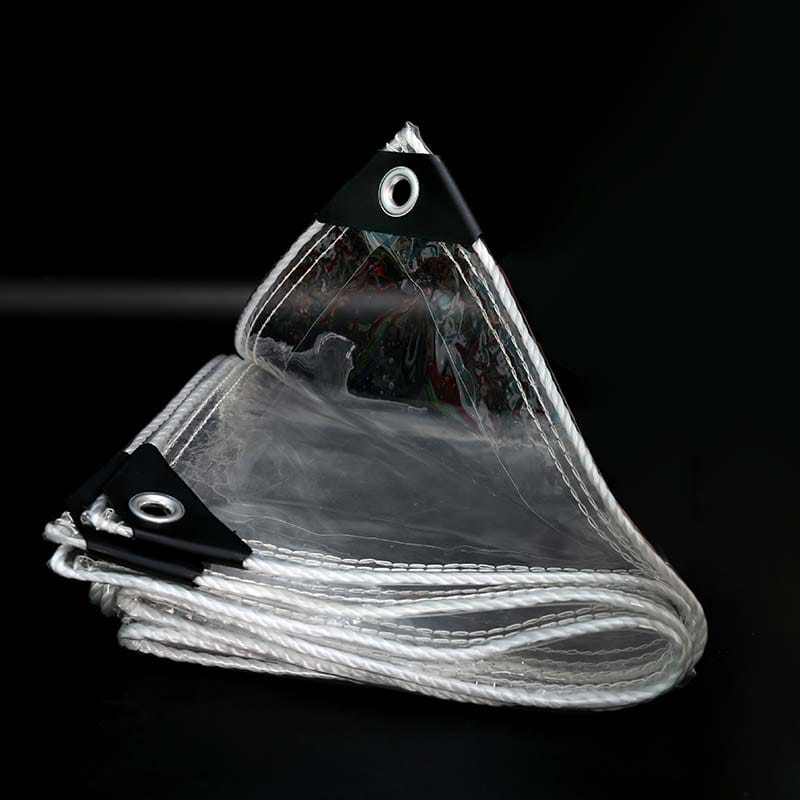
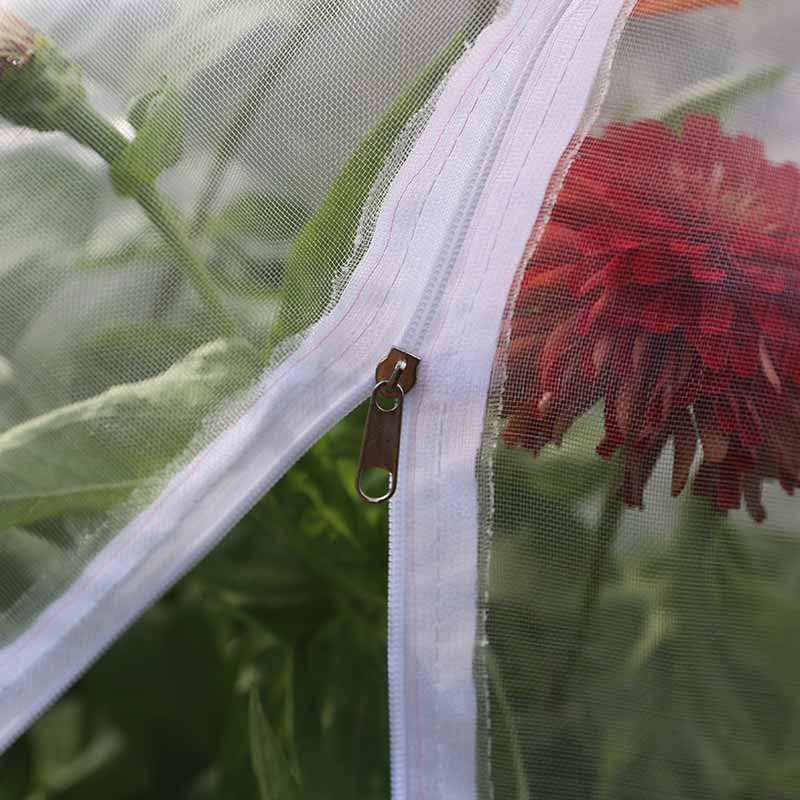
A fine mesh insect net is a tightly woven polyethylene or polyester netting designed to keep out pests while allowing air, water, and sunlight through. The “fine mesh” refers to small openings that even tiny pests — like whiteflies and thrips — cannot penetrate.
Unlike bird nets with large openings, fine mesh insect nets have much smaller gaps, often measured in mesh size (holes per inch), enabling you to protect plants from even microscopic pests without blocking essential elements for growth.
Why Fine Mesh Is Critical
For effective exclusion:
- Whiteflies are ~1 mm in size.
- Thrips are ~0.8–1.2 mm.
- Some aphids are as small as 1 mm.
That means anything larger than 40–50 mesh (aperture < 1 mm) is needed to reliably block the most common crop pests. EyouAgro
How Insect Nets Work: The Science Behind the Mesh
You might ask: How does a net keep pests away without blocking essential airflow or sunlight?
Let’s break this down:
Barrier Effect
The small mesh openings physically prevent insects from entering protected areas — it’s a mechanical defense rather than a chemical one. This reduces your need for pesticides and keeps produce healthier.
Microclimate Regulation
Fine mesh nets also change the microclimate:
- They lessen heat stress by shading and indirectly lowering temperatures.
- They retain a more stable humidity level — beneficial for some crops.
Note: Balanced airflow is crucial — very dense nets may restrict ventilation if improperly sized. EyouAgro
Disease Control
Many crop viruses are transmitted by insects like aphids and whiteflies. By blocking their entry, you’re also reducing the disease pressure on your crops.
Real‑World Success Stories That Prove the Value of Insect Netting
Let’s look at three examples of how growers around the world applied fine mesh insect netting — and what it meant for their crops.
Case Study A: Vegetable Farm in Spain
Situation: Tomato and pepper crops repeatedly suffered from whiteflies and aphids. QiBang
Solution: Installed insect netting with a small mesh size (~0.25 mm) around greenhouse vents.
Outcome:
- Pest damage significantly reduced.
- Higher marketable yields.
- Lower pesticide costs.
Case Study B: Flower Nursery in Kenya
Challenge: Thrips and leaf miners damaged roses and chrysanthemums.
Strategy: Used medium‑mesh insect nets (~0.5 mm) over growing areas.
Results:
- Healthier, more vibrant flowers.
- Higher selling prices.
- Reduced chemical dependency.
Case Study C: Organic Farm in the U.S.A.
Problem: Organic leafy greens at risk from caterpillars and beetles.
Approach: Covered crop rows with larger mesh (~0.8 mm).
Benefits:
- Effective pest exclusion.
- Maintained airflow and sunlight exposure.
- Stronger market appeal for organic produce.
Choosing the Right Mesh Size for Your Needs

Not all fine mesh insect nets are created equal. Choosing the right mesh size is one of the most critical decisions you’ll make.
Mesh Size Guide
| Mesh Size | Hole Size (Approx.) | Best For |
|---|---|---|
| 20–30 mesh | Larger (~1–1.5 mm) | Beetles, grasshoppers, cabbage moths |
| 40 mesh | ~1 mm | Whiteflies, aphids |
| 50–60 mesh | ~0.5–1 mm | Thrips, midges, tiny pests |
| 80+ mesh | <0.5 mm | Very fine insects, specialized crops |
Source: Industry mesh standards and agricultural guidelines
Tip: Higher mesh number means finer mesh — better pest exclusion, but potentially lower airflow. Always balance pest pressure with ventilation needs.
Installation Tips You Need to Know
Proper installation determines how effective your insect netting will be. Poorly installed nets can leave gaps where insects sneak in.
Best Practices
- Seal all edges tightly — insects only need a tiny gap.
- Secure corners and seams with clips, staples, or cable ties.
- Ensure airflow by incorporating vents with netting rather than sealing spaces completely.
- Use framing systems to keep netting elevated and away from plant foliage (which can trap moisture).
For greenhouse sidewalls, install nets over frame openings, vents, and doors — leaving no openings larger than your chosen mesh aperture.
Comparing Netting With Other Pest Control Methods
You may have used sprays, pheromone traps, reflective mulch, or biological controls. How does fine mesh netting stack up?
Advantages of Fine Mesh Insect Nets
✔ Reduced pesticide use
✔ Continuous 24/7 pest protection
✔ Improves product quality (less pest damage)
✔ Lower long‑term cost and risk
Limitations to Keep in Mind
⚠ May limit access of beneficial insects like pollinators (solve by manual pollination or seasonal removal).
⚠ Needs careful installation and maintenance.
⚠ May increase humidity if airflow is restricted.
Mesh Materials: What You Should Look For
Most insect nets are made from high‑density polyethylene (HDPE) or polyester, offering:
- UV resistance
- High tensile strength
- Non‑toxic and recyclable material
- Long service life (often 3–8 years) Accio
Pay attention to UV stabilization — stronger nets last longer in harsh sun without degrading.
Cost vs. Value: Is Insect Netting Worth It?
Although nets have a higher upfront cost than a single spray application, consider:
- Year‑after‑year reuse
- Reduced labor for spraying
- Fewer disease outbreaks
- More marketable produce
Many growers find that netting pays for itself within one growing season due to higher yields and lower input costs.
Net Maintenance: Keep Them Working Longer
To get the most out of your investment:
- Clean nets periodically — dust and debris can reduce sunlight penetration.
- Inspect regularly for holes or tears.
- Store properly when not in use (cool, dry location).
- Patch small holes immediately to prevent pest entry.
With proper care, fine mesh insect nets can serve you for many seasons.
Environmental and Health Benefits
Choosing fine mesh insect nets is also an environmentally sound decision:
- Supports integrated pest management (IPM) systems
- Reduces chemical pesticide runoff
- Protects beneficial organisms
- Minimizes worker exposure to toxins
This aligns with global sustainable agriculture trends, where demand for chemical‑free, residue‑free produce continues to rise. Agri Care Hub
Quick Implementation Checklist
Before you start, make sure you’ve ticked these boxes:
☐ Identified the key pests in your region
☐ Chosen appropriate mesh size
☐ Prepared installation frames or supports
☐ Sealed edges and seams carefully
☐ Mapped out access points with netting
☐ Conducted a pre‑season test installation
This ensures you’re not just buying nets — you’re putting them to effective use.
Fine Mesh Insect Nets Beyond Agriculture
While farming is the primary use, insect nets also protect:
- Backyard gardens
- Nurseries and plant beds
- Greenhouses and tunnels
- School gardens and urban farms
- Outdoor patios and recreational spaces (for mosquitoes and flies)
For home use, fine mesh nets (similar to mosquito screens) keep pests out without blocking fresh air or light — making them a versatile solution beyond crop fields.
FAQ
Q1: How long do fine mesh insect nets last?
Most high‑quality insect nets made of UV‑stabilized HDPE last 3–8 years, depending on climate and maintenance. Accio
Q2: Will fine mesh nets completely prevent all pests?
They are highly effective against flying pests but may need to be combined with other methods for soil‑dwelling or burrowing pests.
Q3: Can netting block bees and pollinators?
Yes — fine mesh nets can restrict beneficial insects like bees. You can manage this by removing nets during flowering or employing manual pollination.
Q4: Are there nets that also shade crops?
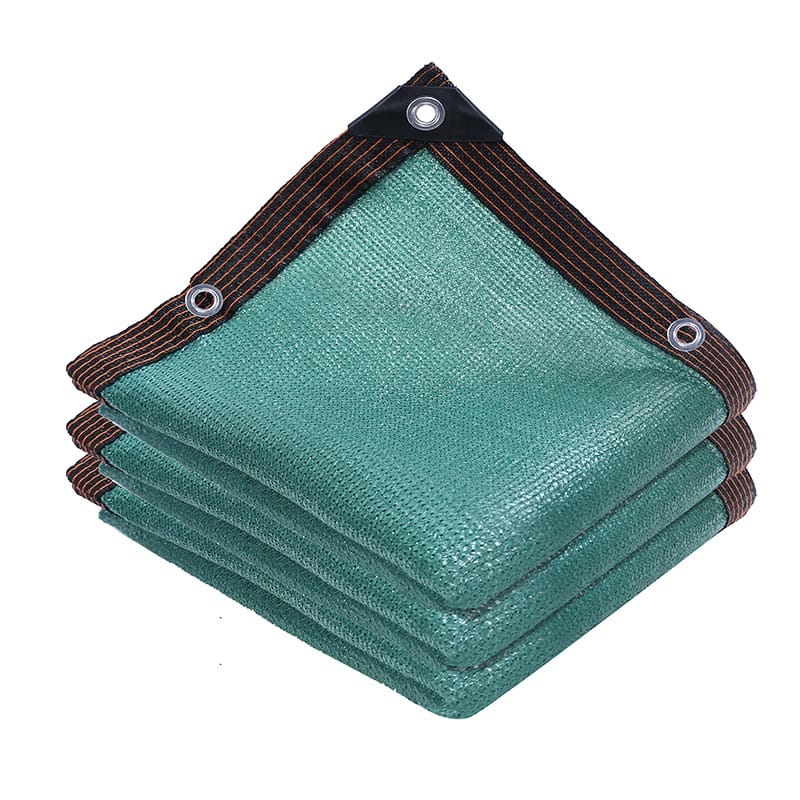
Yes — some insect nets also provide shade, helping regulate sunlight and heat (dual‑purpose nets).
Q5: How do I choose the right mesh size?
Match the mesh to the smallest pest you need to keep out — e.g., thrips require finer mesh than whiteflies. EyouAgro